What Is an Acquirer and Issuer?
See how issuers and acquirers split the work behind every card payment.
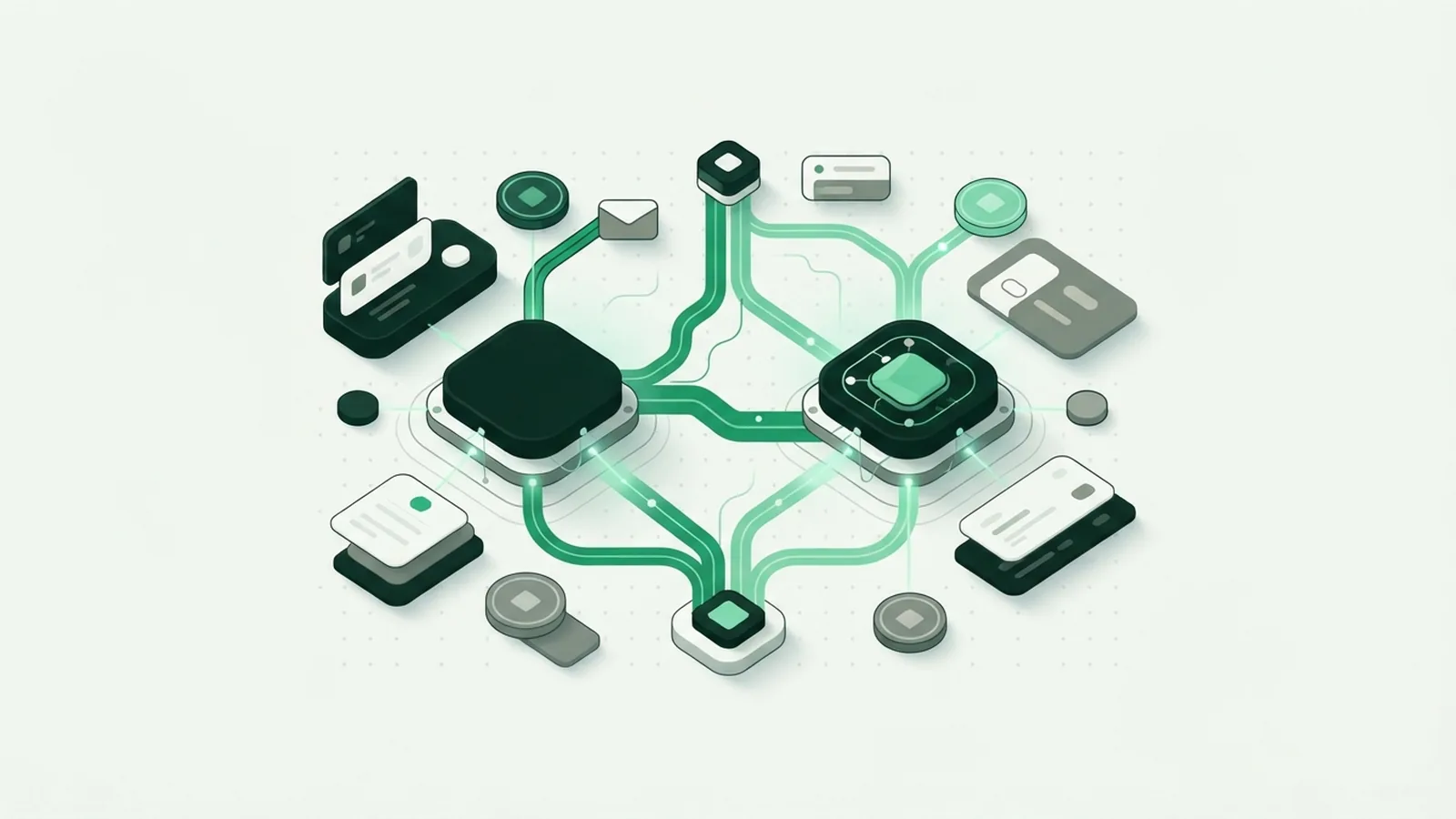
Understanding Acquirers and Issuers
The difference between an acquirer and issuer is simple. An issuer serves the cardholder. An acquirer serves the merchant.
An issuer provides a credit or debit card to a consumer. It runs the cardholder account and checks each payment request. An acquirer helps a business accept card payments. It sends payment data through the card network and settles funds.
These firms work together during each card payment. The issuer decides whether to approve the payment. The acquirer helps the merchant send the request and receive funds.
The phrase “what is acquirer and issuer” often points to this basic split. The issuer stands on the buyer’s side. The acquirer stands on the seller’s side.
What Issuers Do in Card Transactions
An issuer is often a bank or credit union. It opens the cardholder account and sends the card to the customer. It also sets spending limits and tracks account activity.
When a customer pays, the issuer reviews the request. It checks the account status, available funds, card details, and risk signals. It then sends an approval or decline through the card network.
For a credit card, the issuer lends money during the purchase. For a debit card, it checks the linked deposit account. The issuer must make sure enough funds or credit are available.
Issuers earn money in several ways. They may charge interest on unpaid credit balances. They may also receive part of the interchange fee from each card payment.
- Open and manage consumer card accounts
- Set credit limits or link debit accounts
- Approve or decline payment requests
- Protect accounts from fraud and misuse
- Handle statements, refunds, and card replacement
A bank identification number, or BIN, helps identify the issuer behind a card range. The BIN helps payment firms route requests to the right institution.
What Acquirers Do for Merchants
An acquirer is the merchant’s payment bank or payment partner. It gives the business access to card acceptance. It may also provide a merchant account for holding card funds.
The acquirer manages the technical and day-to-day work behind payment processing. It receives payment data from the merchant’s checkout. It sends that data to the card network and returns the issuer’s response.
After approval, the acquirer helps move funds to the merchant. This step is called settlement. Settlement often takes one or more business days, based on the merchant’s setup.
Acquirers also screen merchants before approval. They review the business type, sales pattern, refund risk, and fraud exposure. Higher-risk businesses may face rolling reserves or slower payouts.
- Connect merchants to card networks
- Support payment terminals and online checkouts
- Send authorization requests to issuers
- Settle approved funds to merchant accounts
- Manage refunds, fraud checks, and disputes
Acquirers earn money through service fees and payment margins. Their income can include gateway fees, monthly fees, and a share of processing costs.
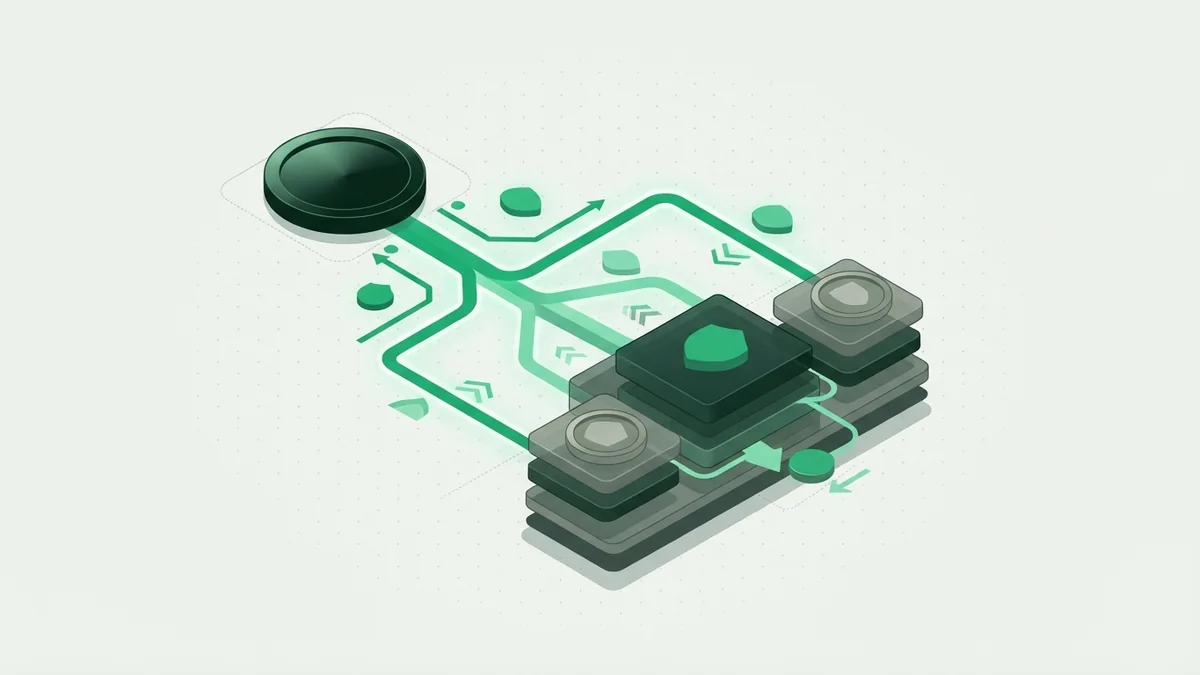
Key Differences Between Issuers and Acquirers
The difference between issuer and acquirer becomes clear when you compare their customers. An issuer supports consumers. An acquirer supports merchants.
| Area | Issuer | Acquirer |
|---|---|---|
| Main customer | Cardholder | Merchant |
| Main job | Provide and manage cards | Accept and process payments |
| Approval role | Approves or declines payments | Routes payment requests |
| Money earned | Interest and interchange income | Processing and service fees |
| Main account | Consumer card account | Merchant account |
The issuer takes credit and fraud risk linked to the cardholder. The acquirer takes merchant and settlement risk. Both firms must manage payment rules and security duties.
One financial institution can act as both an issuer and an acquirer. A large bank may issue cards to its customers. It may also process card payments for shops.
The difference between acquirer and acquiree is not the same topic. In business deals, an acquirer buys another company. The acquiree is the company being bought. In card payments, an acquirer serves the merchant.
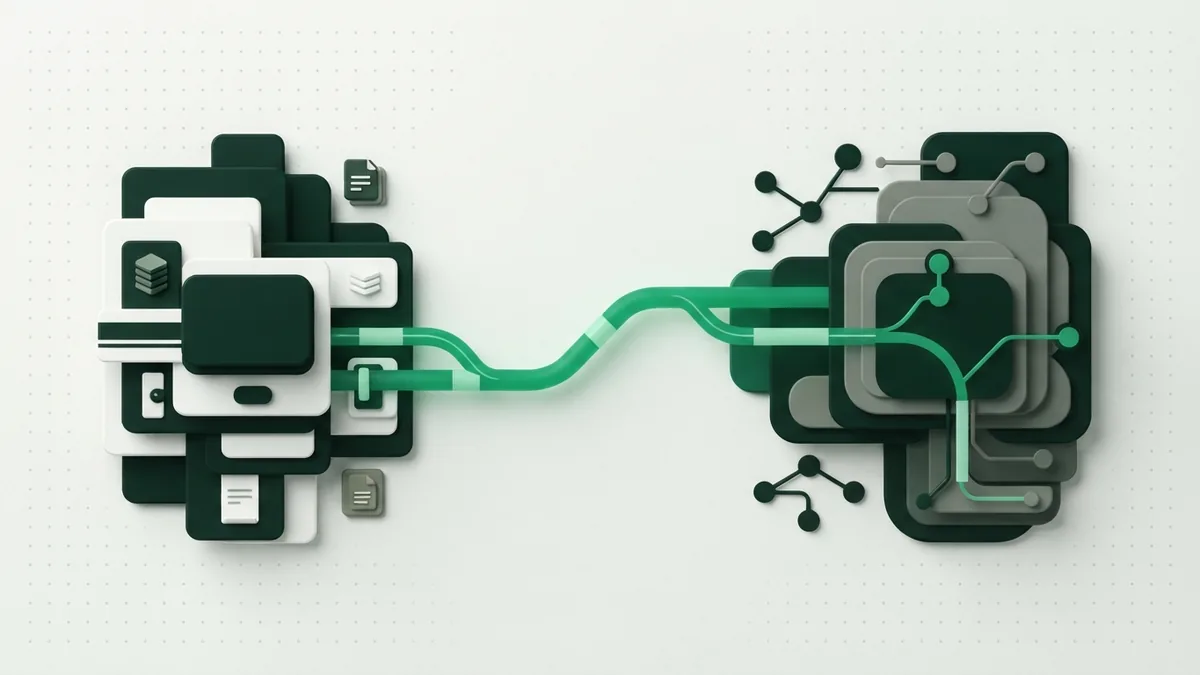
How a Card Payment Moves Through the System
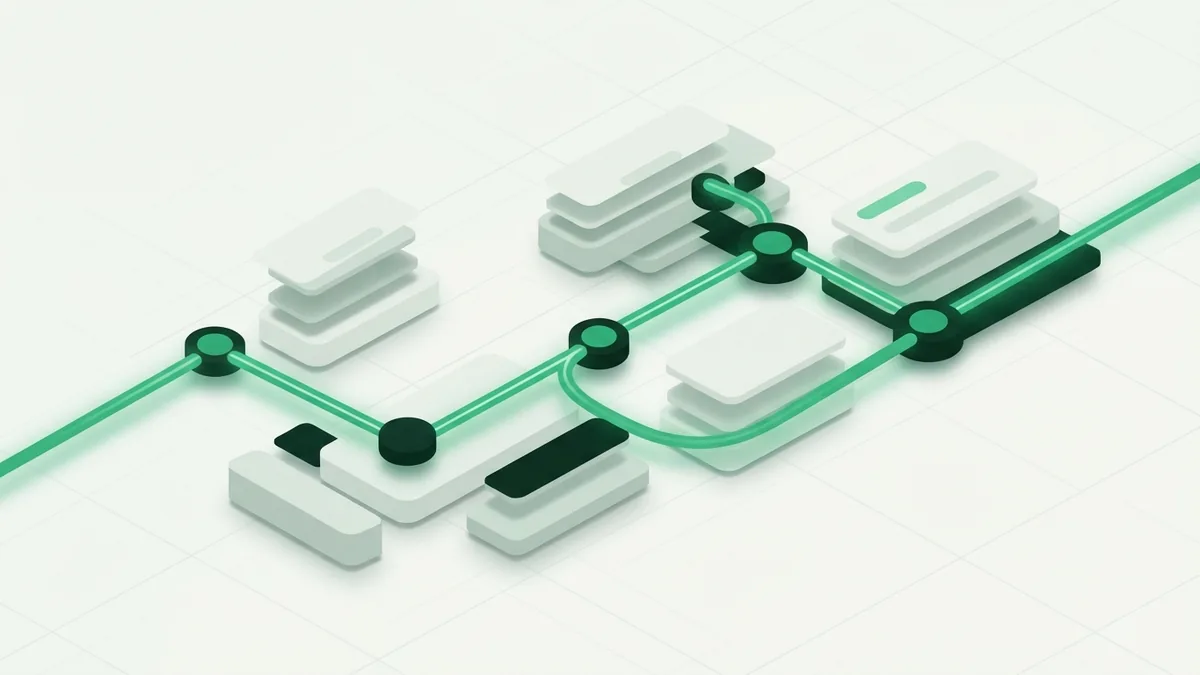
Most card payments pass through several connected steps. The process takes seconds, even though several firms may take part.
- The customer presents a card at checkout.
- The merchant sends the payment request to its acquirer.
- The acquirer routes the request through the card network.
- The network sends the request to the issuer.
- The issuer checks funds, account status, and risk.
- The issuer returns an approval or decline.
- The acquirer sends the result back to the merchant.
- Later, the acquirer settles approved funds to the merchant.
For example, a customer buys a $75 item. The merchant sends a $75 request. The issuer checks the account and approves it.
The acquirer then receives the merchant’s clearing record. It helps move the funds after fees and network rules apply. The merchant receives the net amount through its payout method.
Authorization is not the same as final settlement. An approval reserves funds or credit. Settlement moves the final amount after the merchant submits the completed payment.
Chargebacks and Dispute Management
A chargeback starts when a cardholder challenges a payment through the issuer. The issuer reviews the claim and may return funds to the cardholder. It then sends the dispute through the payment network.
The acquirer receives the dispute for the merchant. It informs the merchant and may remove the disputed amount from the merchant account. The merchant can accept the claim or send evidence.
Useful evidence may include delivery proof, refund records, order details, and customer messages. The acquirer sends the merchant’s response to the issuer. The issuer reviews the evidence and makes the next decision.
Both sides face costs during this process. The issuer handles the cardholder review. The acquirer manages merchant contact, evidence, and fund movement.
- Issuer: receives and reviews the cardholder claim
- Acquirer: informs the merchant and manages the response
- Merchant: provides records that support the payment
- Card network: applies shared rules and dispute time limits
Good records can reduce losses. Clear order data, delivery proof, and fast refunds help merchants answer disputes.
Summary: Issuer and Acquirer Meaning
The issuer and acquirer meaning is easy to recall. The issuer gives cards to consumers and manages their accounts. The acquirer helps merchants accept cards and receive payment funds.
Issuers approve payments and manage cardholder risk. Acquirers route payment data, support merchant tools, and manage settlement. Both can earn fees from card payments, while issuers may also earn interest.
When asking “what is acquirer and issuer bank,” think about each side of the sale. The issuer sits with the buyer. The acquirer sits with the seller.
A single bank can fill both roles. Yet the duties remain distinct within each payment. Knowing this split makes payment fees, approvals, and chargebacks easier to understand.
Frequently asked questions
- What is the difference between an acquirer and issuer?
- An issuer serves the cardholder and approves payments. An acquirer serves the merchant and processes payment data.
- What does an issuer do in a card transaction?
- The issuer manages the card account and checks each payment request. It approves or declines the payment based on funds, credit, and risk.
- What does an acquirer do for a merchant?
- An acquirer connects the merchant to card networks. It routes payment requests and helps settle approved funds.
- Can one bank be both an issuer and an acquirer?
- Yes. A bank can issue cards to consumers and process card payments for merchants.
- How do issuers and acquirers handle chargebacks?
- The issuer reviews the cardholder claim. The acquirer informs the merchant and sends its evidence back through the payment network.
- What is the difference between an acquirer and an acquiree?
- In business deals, an acquirer buys a company. The acquiree is the company being bought, so this meaning differs from card payments.
Related reading
What Is Verified by Visa, and Is It Safe?
See how Verified by Visa protects online payments and what setup involves.

Unable to Process a Payment? Fix Common Errors
Fix failed payments by checking your card, bank, billing details, and error code.
How Do Credit Cards Work? Payments, Costs and Uses
Learn how credit limits, payments, interest, and card rewards fit together.