ACH Mode of Payment: How It Works and Why It Matters
Learn how ACH payments move money, clear funds, and cut transfer costs.
What Is an ACH Payment?
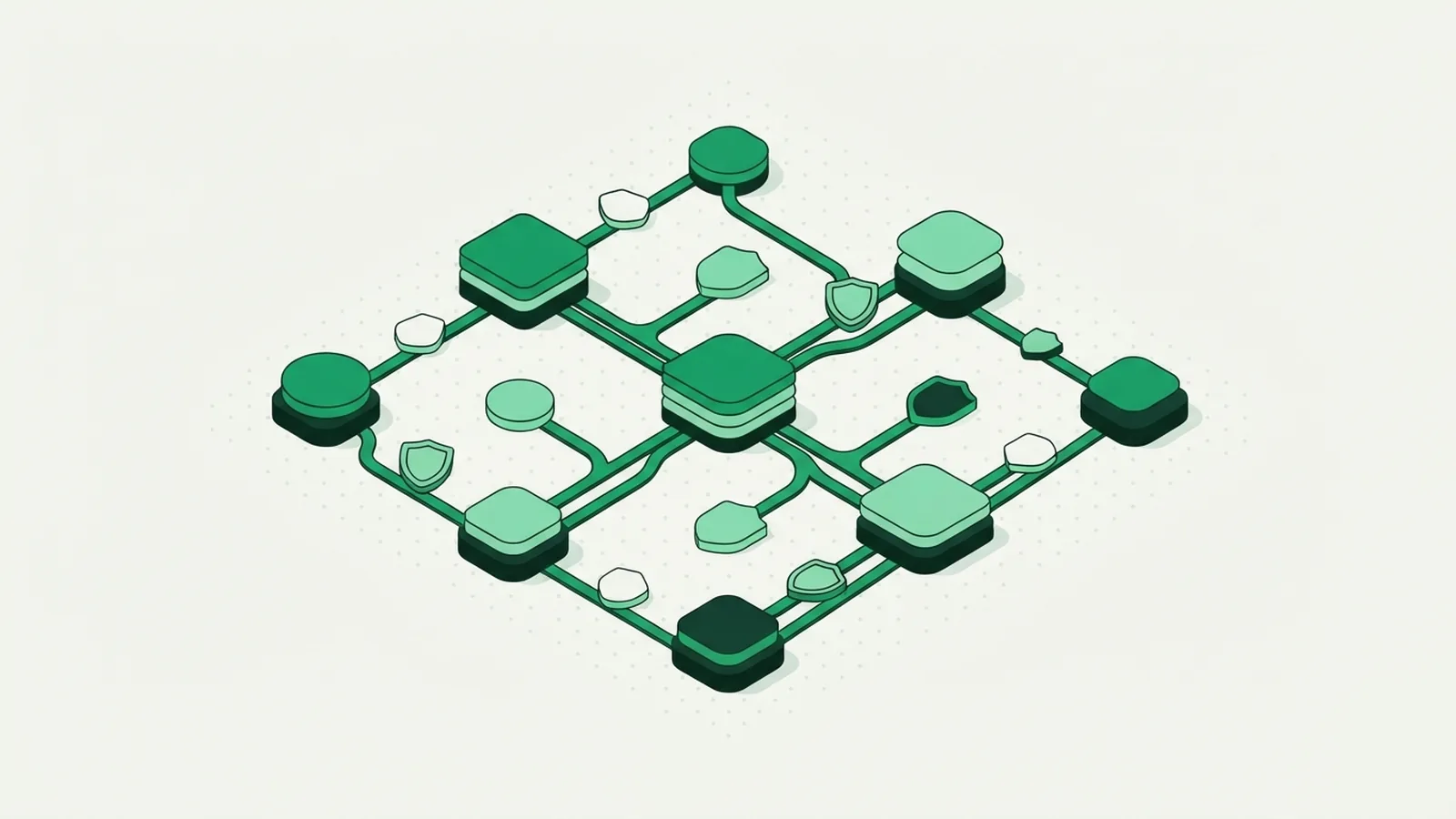
ACH mode of payment means sending money through the Automated Clearing House network. This U.S. network moves funds between bank accounts through electronic funds transfer. It supports payroll, bill payments, tax refunds, and many other bank payments.
Unlike a card payment, an ACH payment does not use a card network. It moves funds from one bank account to another. The payment may be one-time or recurring. Rent, loan payments, and monthly software bills often use this method.
ACH payments usually cost less than wire transfers. They also work well for high-volume, low-value payments. That makes ACH a common mode of payment in bank and business systems.
Nacha's overview of the ACH Network explains how this system supports U.S. account-to-account payments.
How ACH Payments Move Through the Banking System
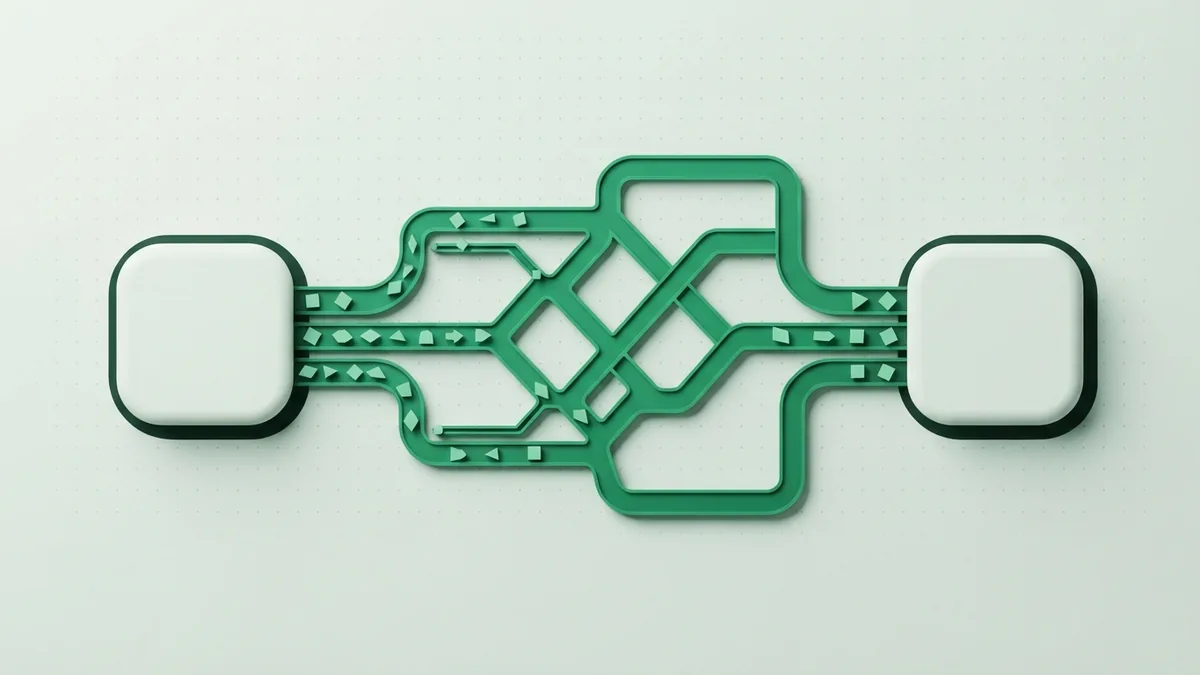
An ACH payment starts when a person or business gives payment instructions. The sender may approve a debit or request a credit. The bank then checks the account details and sends the payment file into the ACH network.
The sender's bank is the Originating Depository Financial Institution, or ODFI. The receiver's bank is the Receiving Depository Financial Institution, or RDFI. These banks help move the payment from the source account to the destination account.
Nacha governs the rules for ACH payments in the United States. Banks and payment firms follow these rules when they send, receive, and settle transactions. The network groups many payments into batches instead of handling each one alone.
Most ACH payments clear within one to three business days. Same-day ACH transfers are also available for eligible payments. The exact time depends on the bank, cut-off times, weekends, holidays, and account checks.
The Two Main Types of ACH Transactions
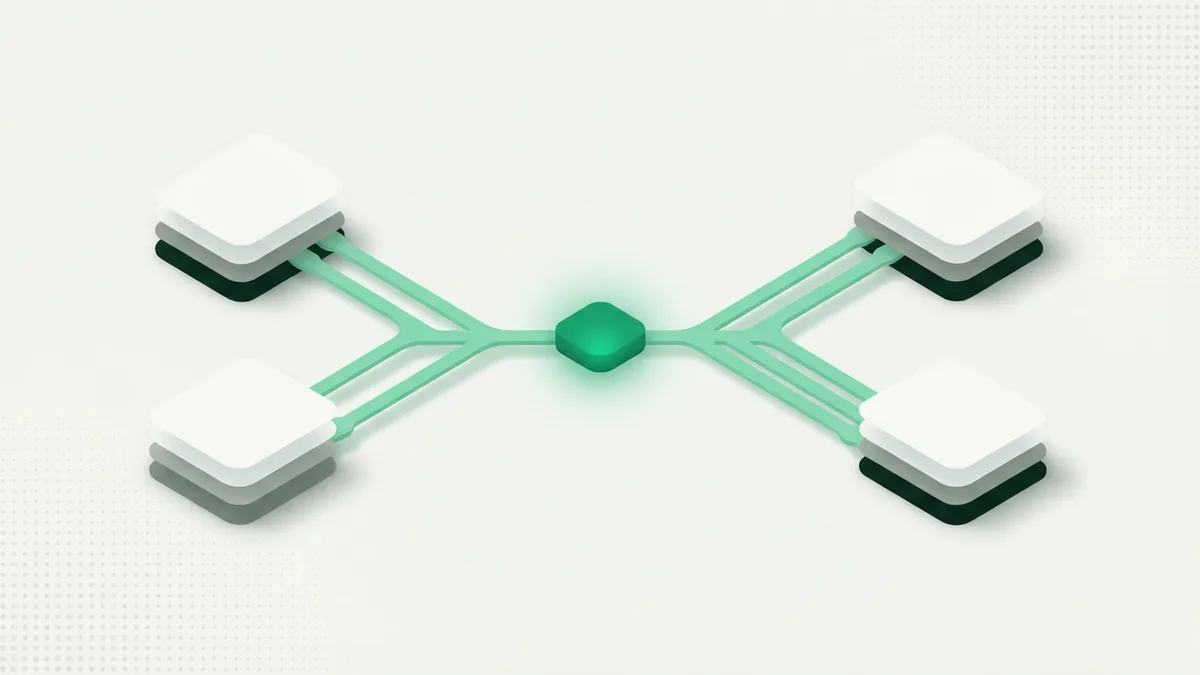
ACH transaction types fall into two broad groups: direct deposits and direct payments. Both use the same network. The key difference is the direction and purpose of the funds.
Direct deposits
A direct deposit sends money into a person's or business's bank account. An employer may use it to pay wages. A government agency may use it to send benefits or a tax refund.
Direct deposits reduce paper checks and speed up access to funds. They also give the sender a clear payment record. Common examples include:
- Payroll and contractor payments
- Social benefit payments
- Tax refunds
- Pension and retirement payments
Direct payments
A direct payment moves money from a payer's bank account to a company or service provider. The payer gives permission before the first payment. That permission may cover one payment or a repeating schedule.
Utility bills, rent, insurance premiums, and online purchases can use direct payments. A business may also collect customer payments through recurring ACH debits.
Benefits of Using ACH Payments
ACH payments offer a useful mix of low cost, wide reach, and steady processing. They suit both individuals and firms that move money often. They also reduce the need to print, mail, and deposit checks.
For consumers, ACH can make regular bills easier to manage. A scheduled payment can run without a new card entry each month. Consumers should still check the amount, date, and account balance before approval.
- Lower fees: ACH often costs less than wires and card payments.
- Recurring support: Businesses can collect scheduled payments with customer approval.
- Broad access: Most U.S. bank accounts can send or receive ACH payments.
- Useful records: Bank statements show the payment date and amount.
- Less paper work: Digital payments reduce checks and manual entry.
ACH also helps businesses manage cash flow. Payroll teams can send many payments in one file. Billing teams can collect repeat charges without handling each payment by hand.
ACH is not instant in every case. A payment can fail because of wrong account details, low funds, or a closed account. Good account checks and clear customer notices help lower those risks.
Who Uses ACH Payments?
People use ACH when they want a simple way to move money between bank accounts. Employers use it to pay workers. Government agencies use it to send benefits and refunds. Consumers use it to pay bills and fund accounts.
Businesses use ACH for both incoming and outgoing payments. A small firm may collect monthly fees from customers. A large firm may use it for payroll, supplier payments, refunds, and tax duties.
Online lenders and finance firms may also use ACH for loan payments. Schools, charities, landlords, and subscription firms often use it for recurring charges. Each use case needs clear approval and accurate bank details.
Typical ACH payment requirements include a valid bank account, routing number, account holder name, and payment approval. Businesses may also need a signed or recorded customer mandate. Rules differ by payment type and provider.
ACH Compared With Other Payment Methods
The best mode of payment in bank depends on speed, cost, value, and risk. ACH works well when a payment can take a business day or more. It may not fit urgent, high-value transfers that need final settlement at once.
| Payment method | Typical speed | Cost pattern | Best fit |
|---|---|---|---|
| ACH | One to three business days | Often low | Payroll, bills, and repeat payments |
| Same-day ACH | Same business day | Often low to moderate | Time-sensitive account transfers |
| Wire transfer | Often same day | Usually higher | Urgent or high-value payments |
| Card payment | Fast approval | Often a percentage fee | Retail and online purchases |
| Paper check | Days or longer | Handling and mailing costs | Cases that still need paper records |
Wire transfers can move funds quickly, but they often carry higher fees. They may also be hard to reverse after sending. ACH offers a lower-cost choice for planned transfers and repeat billing.
Cards give buyers fast approval and strong checkout reach. They may cost more for merchants, especially on small purchases. ACH can lower payment costs when customers already trust the business.
The Federal Reserve's ACH service information covers the role of ACH processing in the U.S. payment system. Check your bank's rules before choosing same-day service or a large transfer.
How to Choose ACH for a Payment
Start with the payment goal. ACH is a strong fit when you need low fees, repeat billing, or many account transfers. It is less suited to an urgent payment that must settle within minutes.
Next, check the payment details and approval method. Confirm the account and routing numbers. Ask the provider about cut-off times, return rules, limits, and same-day service.
- Choose ACH when low cost matters more than instant delivery.
- Confirm the receiver's bank details before sending funds.
- Set the payment date and check the bank's cut-off time.
- Keep approval records and watch the account for returns.
So, what is ACH mode of payment in simple terms? It is a bank-to-bank payment method that uses the U.S. ACH network. It gives people and businesses a practical way to send direct deposits, pay bills, and manage recurring transfers.
Frequently asked questions
- What is ACH mode of payment?
- ACH mode of payment is a way to move money between U.S. bank accounts. It uses the Automated Clearing House network.
- How long does an ACH payment take?
- Most ACH payments clear in one to three business days. Eligible payments may use same-day ACH.
- What are the two types of ACH transactions?
- The two main types are direct deposits and direct payments. Direct deposits send funds into an account, while direct payments send funds to a business or service provider.
- Is ACH cheaper than a wire transfer?
- ACH is often cheaper than a wire transfer. It suits planned, recurring, and high-volume payments.
- What information is needed for an ACH payment?
- You usually need the bank account number, routing number, account holder name, and payment approval. Your bank or provider may ask for more details.
- Who uses ACH payments?
- Employers, government agencies, businesses, charities, landlords, and consumers all use ACH. Common uses include payroll, refunds, bills, and subscriptions.
Related reading
What Is Verified by Visa, and Is It Safe?
See how Verified by Visa protects online payments and what setup involves.
Unable to Process a Payment? Fix Common Errors
Fix failed payments by checking your card, bank, billing details, and error code.
How Do Credit Cards Work? Payments, Costs and Uses
Learn how credit limits, payments, interest, and card rewards fit together.