Credit vs Debit Card Meaning: What’s the Difference?
Credit vs debit card meaning, explained with real examples and tips.
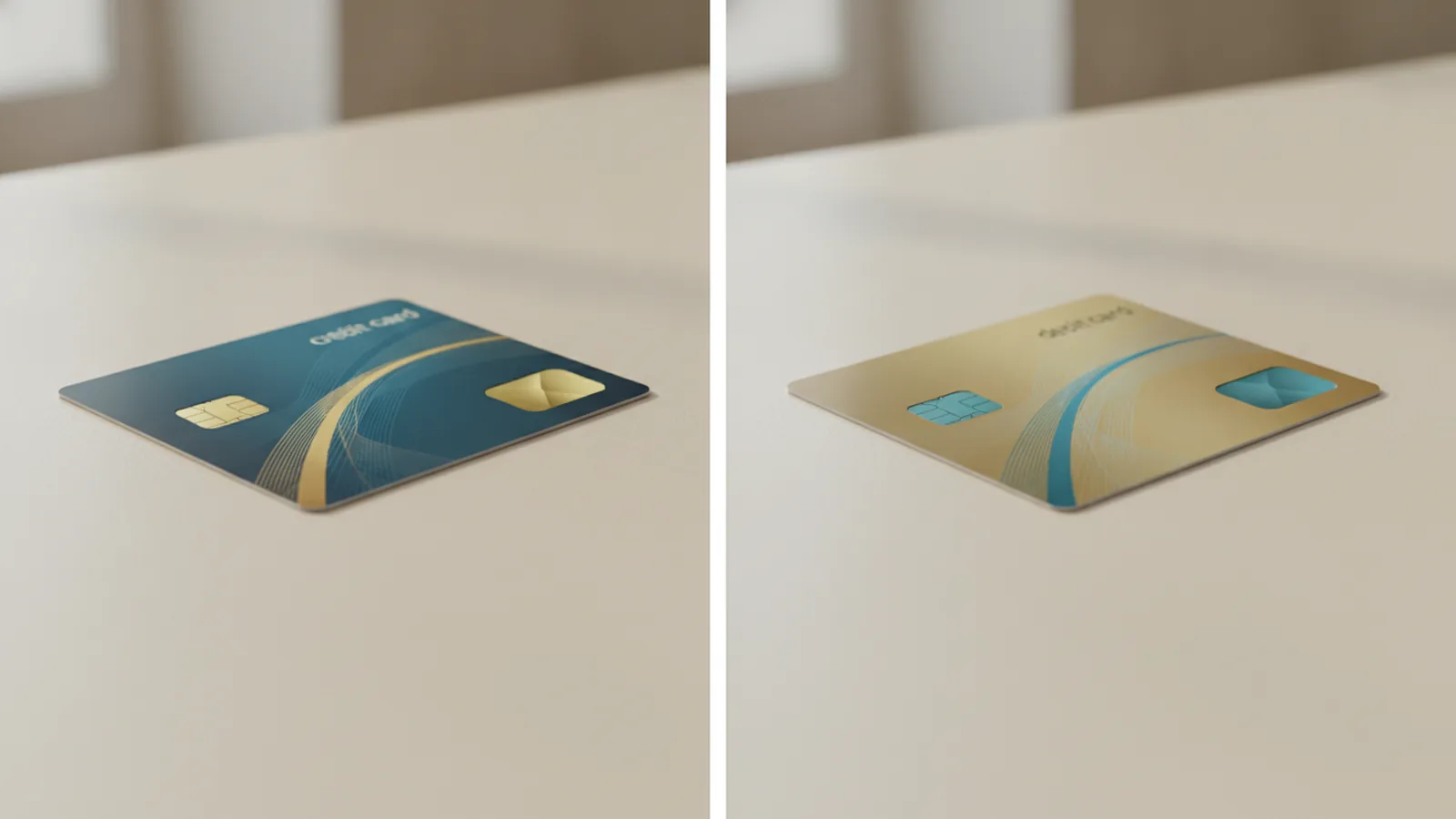
Quick answer: credit cards borrow, debit cards spend your balance
At a glance, the credit card and debit card meaning is this. A credit card lets you borrow money up to a limit and repay it. A debit card pulls money straight from your checking account. That single difference changes how budgeting, interest, and credit building work for you.
To avoid confusion, look at the funding source behind each card. With debit, you spend funds you already have. With credit, you spend borrowed funds, then repay later. Both can feel similar at checkout, but the financial outcome can be very different.
Also note that “black debit card meaning” comes up online because some banks use black designs. A black card can still be a normal debit card. The design color does not change the underlying rules for borrowing or repayment.
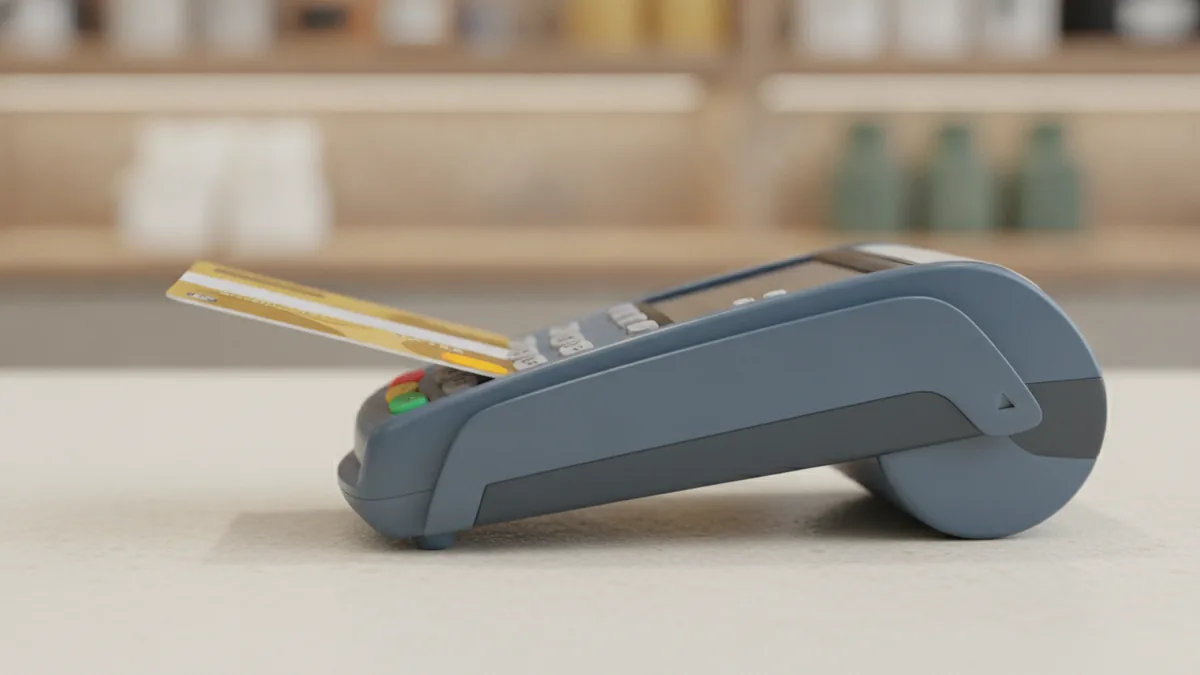
What a debit card is and how it works
For the credit and debit card meaning, a debit card is a payment card tied to your checking account. When you swipe or tap, the purchase amount is taken from available funds. You cannot borrow money on most standard debit cards.
That means spending is limited by your balance and your bank’s overdraft rules. If you have $200 in checking, you can usually spend about $200. If you try to spend more, the charge may be declined or handled by overdraft, depending on your setup.
Debit cards are part of everyday financial tools for many people. They support buying groceries, paying bills, and withdrawing cash. They can also help shape spending habits because there is no separate “repay later” step.
- Linked funding: checking account balance
- Borrowing: generally no
- Budget impact: spend happens now, money leaves now
It’s still important to understand timing. Some debit payments settle later than the purchase date. Your bank may show a pending charge first, then finalize it after processing.

What a credit card is and how it works
A credit card is a payment card that lets you borrow money from the card issuer. The issuer sets a credit limit, which is the maximum you can charge. When you use the card, the issuer pays the merchant, and you owe the issuer.
This is the core of credit debit card meaning in practice. You do not spend your checking balance directly. Instead, you use a line of credit and then repay it on your statement due date.
Most credit cards have an optional grace period when you pay in full. If you pay the full statement balance by the due date, you often avoid interest. If you carry a balance, interest can apply, which makes the cost of borrowing higher.
| Card type | Where funds come from | Repayment timing | Interest risk |
|---|---|---|---|
| Debit card | Checking account | None for the purchase | No revolving interest |
| Credit card | Card issuer credit | Due on the statement | Yes, if not paid monthly |
Many credit cards also include revolving credit features. That means your available limit can refill after payments. It can be useful, but it also means you must manage spending carefully.
Key differences between credit and debit cards
The credit card debit card meaning you hear most often is about borrowing. Debit cards use your own money. Credit cards use borrowed money. That difference impacts budgeting, interest, and long-term credit history.
Another key difference is how each card can affect your credit profile. Credit cards can help build credit history when you report payments to credit bureaus. Debit cards typically do not build credit history because they are not reported like revolving credit usage.
Security features also differ. Many credit cards provide stronger fraud protection policies than debit cards. Rewards are also more common on credit cards, like cash back or points. Debit cards may have protections too, but the terms vary by bank and by card network.
- Borrowing: debit usually blocks borrowing; credit allows borrowing up to a limit
- Budgeting style: debit is “use what you have”; credit is “pay later”
- Credit building: credit cards can support building credit history
- Fees and interest: credit can add interest if balances carry; debit usually does not
- Rewards: more common on credit cards
Finally, both cards require you to track spending. It is easy to overspend with either card type. Debit users may forget pending charges. Credit users may underestimate how much they still owe after the statement closes.
When to use each card type
Debit cards are ideal for everyday purchases where you want direct control. Think of routine grocery runs, transit payments, and small recurring bills. Because the funds come from checking, you can tie spending to your monthly financial plan.
Credit cards are often better for larger transactions or travel. You may prefer them for booking hotels, flights, or big home repairs. That is partly because many credit cards offer strong security features and purchase protections. Also, keeping larger purchases off your checking balance can reduce cash-flow stress.
A practical rule is to match the card to your customer decisions and spending habits. If you tend to overspend when money feels “available later,” debit can be safer. If you manage your due dates well, credit can be a tool for rewards and credit building.
- Use a debit card when you want strict spending limits tied to checking.
- Use a credit card for travel and larger purchases where protections matter.
- Use both if you have a system for tracking balances and due dates.
If you have heard “black debit card meaning,” treat it as a design question, not a financial rule. A black card can be a debit card with the same debit behavior. You should check the account type and the network, not the color.
Benefits of debit cards
Debit cards encourage budgeting because you can only spend available funds. That direct link helps many people avoid borrowing-related surprises. If your paycheck hits your checking account, your debit spending has a natural ceiling.
They can also reduce interest risk. Since debit does not rely on borrowing for purchases, you generally do not face revolving credit interest on those transactions. That makes debit a simple fit for people who want fewer moving parts.
Debit cards can still offer security features, like fraud monitoring and charge dispute processes. However, the exact strength of protections depends on your bank and the specific card agreement. If you care about disputes, read the policy details in your account terms.
- Budget fit: spend tracks your checking balance
- No borrowing: reduces chance of interest from carried balances
- Everyday use: good for daily spending and bills
- Control: helps limit spending habits
Benefits of credit cards
Credit cards can help build credit history when you use them responsibly. Many issuers report your account activity to credit bureaus. If you pay on time and keep balances reasonable, your payment behavior can support a stronger credit record.
Credit cards can also offer rewards, which turn spending into value. Cash back, points, or travel perks may apply to eligible purchases. You can benefit if you pay the balance monthly. If you carry balances, rewards may be outweighed by interest costs.
Security features are another practical benefit. Many issuers have robust fraud response processes. They may also offer purchase protections that help with returns, extended warranties, or certain disputes. These protections can matter during travel and for high-value items.
- Building credit: supports credit history with on-time payments
- Rewards: can add value to normal spending
- Protection: often includes strong fraud and purchase safeguards
- Cash-flow timing: lets you pay after purchases with a statement cycle
Even with credit cards, you still must track spending. Set reminders for the statement due date and monitor your available limit. Treat credit like a tool, not free money.
Frequently asked questions
- What is the credit and debit card meaning in simple terms?
- A debit card spends money from your checking account. A credit card lets you borrow money up to a limit and repay it later.
- Is a black debit card meaning different from a regular debit card?
- Not in most cases. The color of the card does not change whether it is debit or credit. The account type and issuer terms matter most.
- What is credit card debit card meaning when paying online?
- Online checkout usually charges either your checking balance or your credit limit. You will see the transaction appear as debit from your balance or as credit on your statement.
- Do debit card purchases build credit history?
- Usually no. Debit activity generally does not report as revolving credit the way credit cards do.
- Do credit cards always charge interest?
- No. If you pay the full statement balance by the due date, you may avoid interest. If you carry a balance, interest can apply.
- What should I track to avoid overspending with either card?
- Track pending charges and available balance for debit. For credit, track statement totals and due dates so you do not carry unwanted balances.
Related reading

What Is Mastercard and How Does Its Payment Network Work?
Mastercard links banks, merchants, and shoppers through a global payment network.

What Is a Merchant, and Where Do They Fit in Payments?
A clear guide to merchants, trade, online sales, and payment IDs.

Payment Details Meaning: What They Are, Why They Matter, and Examples
Payment details meaning explained with clear examples and ACH guidance.