Electronic Payment Methods: How They Work, Pros, and Risks
Compare cards, wallets, ACH, wires, and crypto—plus pros, fees, and risks.

Electronic payment methods, answered up front
Electronic payment methods move money digitally, without cash or checks. You can pay online or send funds with many options. The right choice depends on speed, cost, and risk.
This guide explains the main methods of e payment and how they work. You will learn benefits, plus key security controls. You will also see common risks and how to lower them.
Use the list of payment methods below to compare tradeoffs quickly. Then pick the best fit for your use case.
How electronic payments move money
Most electronic methods of payment follow a similar flow. A payer starts a payment request. Then a network checks the payment.
Next comes approval or decline. After that, funds move and settle between banks. Timing depends on the method and the network.
For example, card payments often approve fast. Settlement then finishes later. ACH transfers can take longer because banks process batches.
Here is a simple way to think about it. Approval means “go ahead.” Settlement means “money is final.”
| Method type | Typical flow | Common timing |
|---|---|---|
| Cards | Approval first, then settlement | Minutes to days |
| ACH transfers | Bank batch move between accounts | About 1 to 3 business days |
| Wire transfers | Bank to bank transfer | Same day to next day |
| E-wallets | Wallet balance or routed payout | Often fast |
- Approval checks account access and risk flags.
- Settlement moves money between banks.
- Some methods support refunds more easily.
Common types of e-payment methods
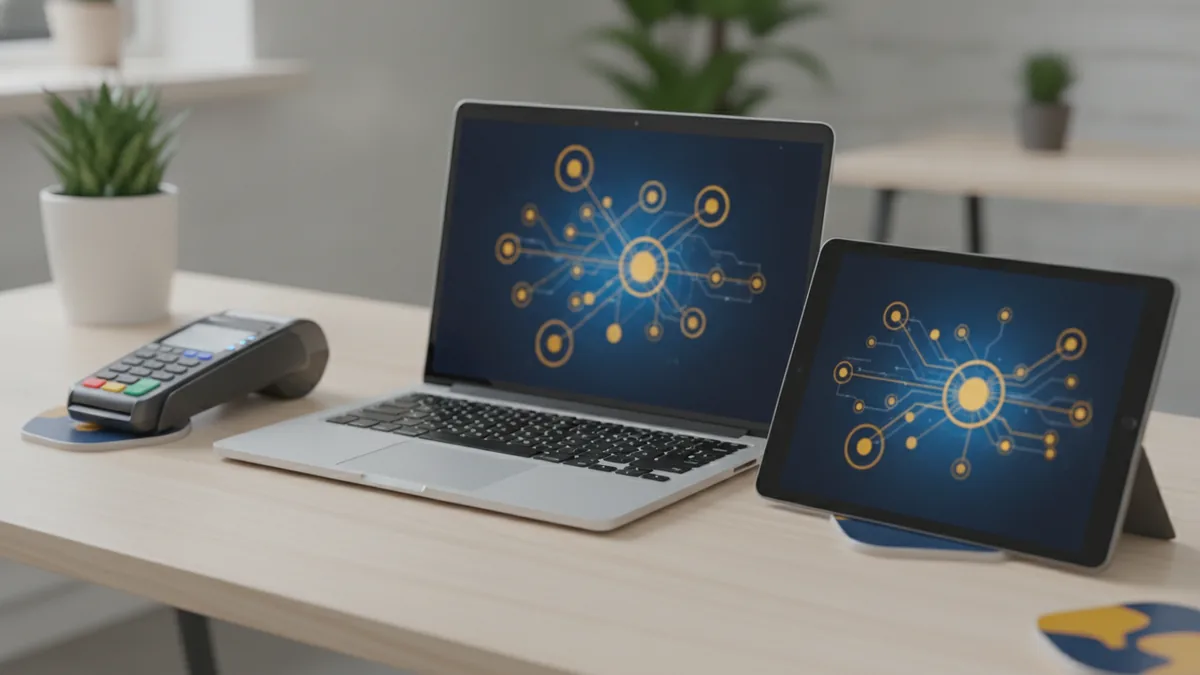
The main types show up at checkout and in bank apps. Each method has a different best use. People often ask for a list of payment methods that fit real life.
These alternative payment methods exist because markets differ. Some rails favor speed. Others favor low fees for repeat bills.
Use this section to compare options without guesswork.
Credit cards
Credit cards let you pay now, then bill you later. The card network approves the charge. The merchant gets money after settlement.
Chargeback is a dispute request after a bad purchase. It can affect who pays the cost when things go wrong.
Debit cards
Debit cards pull funds from your bank account. Approval happens via the card network. Settlement often tracks your bank balance.
Debit can help avoid extra credit costs. It also changes how refunds show up.
E-wallets and digital wallets
Digital wallets store payment details for faster checkout. Some also keep a wallet balance. That balance can make payments feel instant.
A payment gateway is the checkout tool that routes your payment. It helps link the store to the payment network safely.
ACH transfers
ACH transactions move money between bank accounts. ACH is built for scheduled transfers and repeat bills. Many users pick it for payroll or rent.
Because it runs in batches, ACH can take longer. That delay can help businesses plan cash flow.
Wire transfers
Wire transfers send money bank to bank. They are often used for urgent or larger moves. Fees can be higher than ACH.
Reversing a wire can be hard once it moves. Confirm details like account numbers before you send.
Cryptocurrency payments
Cryptocurrency payments use a blockchain network for transfers. You send to a wallet address. The network confirms based on its rules.
Crypto can change in price fast. That can affect what you paid versus what you receive.
- Credit: good for fast online purchases.
- Debit: good for spend from your bank account.
- Wallets: good for quick checkout and simple use.
- ACH: good for low cost repeat payments.
- Wires: good for fast bank-to-bank moves.
- Crypto: good when both sides accept it.
Benefits of electronic payment systems
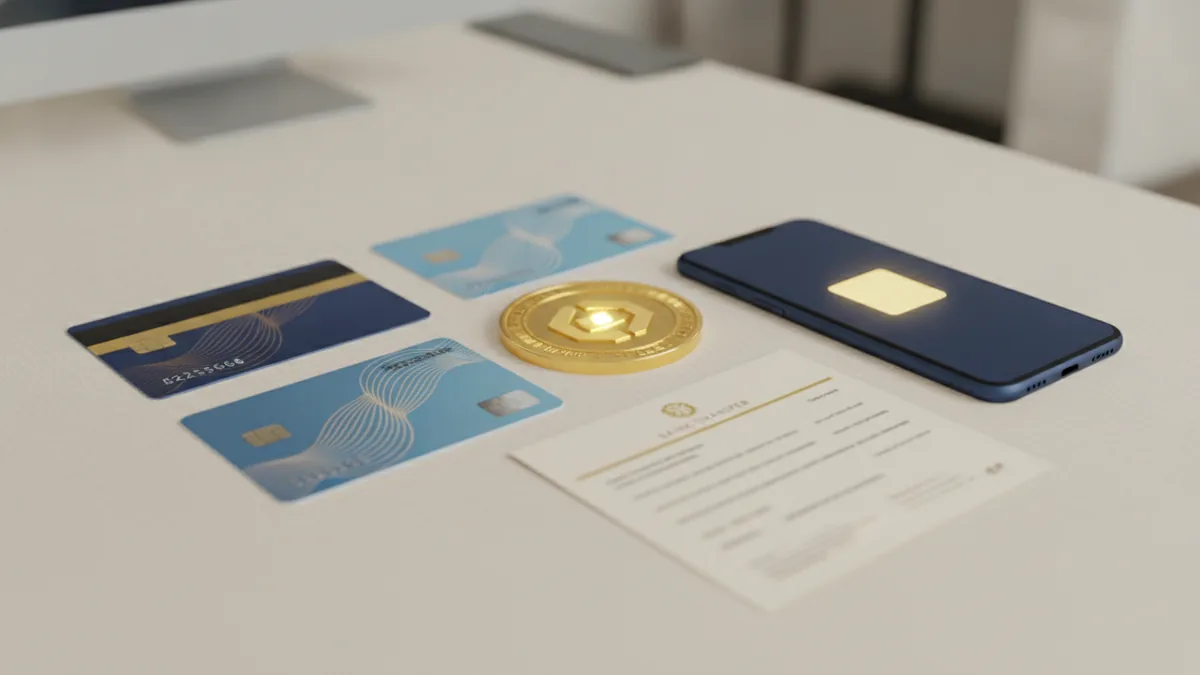
E-payments bring speed and comfort compared to cash and checks. They also cut many manual tasks. That matters for both shoppers and companies.
Online payments can confirm fast. That reduces waiting at checkout. It also helps you track payments in real time.
For checks, people wait for mail and bank clearing. For cash, people handle bills and deposits. Digital payments reduce those steps.
Fees vary by method and by provider. Still, many firms like the setup because it scales.
Concrete advantages you can measure
If you want proof, track a few numbers. Look at time to pay, time to settle, and refund speed. Also track staff time saved each week.
- Faster checkout can reduce cart drop-off.
- Less admin can reduce deposit work.
- Better logs help match payments to invoices.
- Wider reach can support international orders.
For sales in other countries, types of international payment methods matter. Customers often expect their usual option. Matching that can lift conversion.
Security and compliance in e-payments
Security in e-payments uses many layers. One layer protects data in transit. Another layer checks who you are. A final layer watches for fraud.
Encryption helps keep data safe while it travels. It makes stolen data harder to use. It also supports safe links between devices and servers.
Multi-factor authentication is a second login check. It can stop many account takeovers. It may be required for some payment steps.
In plain terms, security stops two things. It blocks data theft and blocks wrong access.
Compliance rules you should know
PCI DSS is a rule set for card data security. It applies to systems that handle card data. Many payment partners already follow it.
If you run a shop or platform, you must fit your setup to those rules. That can include audits, access limits, and safe handling steps.
Fraud detection is the system that spots risky payment signs. It can use device signals and past behavior. It can also apply limits for odd patterns.
| Threat | What you may see | Common safeguards |
|---|---|---|
| Card data theft | Stolen card details used at checkout | Encryption, token use, gateway controls |
| Account takeover | Login with stolen user access | MFA, alerts, and device checks |
| Payment fraud | Odd payments with high risk signs | Fraud checks and rate limits |
| Compliance gaps | Unsafe card data storage | PCI DSS fit, logs, and reviews |
Make security part of daily work. Review alerts and fix weak points. Test refunds and disputes so you respond fast.
The future of electronic payments
More people want digital payments each year. That push comes from better apps and easier sign-in. It also comes from faster rails and smoother checkout.
Technology keeps improving how fraud is handled. Systems use more signals than before. That can reduce false alarms and speed approvals.
Payment gateway design will keep shifting too. Expect more wallet support and more safe routing. Expect fewer steps for people paying on mobile.
Some users will still want cards or ACH. Others will pick wallets for speed. Many firms will offer multiple options as standard.
Cryptocurrency payments may grow, but with guardrails. Volatility risk is still a big hurdle. Clear rules help merchants plan refunds and records.
Conclusion
Electronic payments move money digitally without cash or checks. The main types of e-payment methods include credit cards, debit cards, e-wallets, ACH transfers, wire transfers, and cryptocurrencies.
Compare methods of e payment by speed, fees, and support for disputes. Check how long settlement takes. Also check what refunds and reversals look like.
Finally, use security controls like encryption and multi-factor authentication. For card flows, meet PCI DSS rules. If you do, you reduce fraud risk and support better trust.
Frequently asked questions
- What are electronic payment methods?
- Electronic payment methods let you move money digitally instead of using cash or checks. Common examples include cards, e-wallets, ACH, wires, and crypto.
- How do online electronic payments work in practice?
- A payer starts the payment request. A network checks it, then funds settle later. Timing depends on the method.
- What are the main alternative payment methods to credit cards?
- Debit cards, digital wallets, ACH transfers, and wire transfers are common alternatives. ACH is often cheaper for repeat bills, while wires can be faster.
- What risks are involved with e-payments?
- Key risks include fraud, account takeover, and payment data theft. Refund rules and chargebacks also affect outcomes after disputes.
- How do you keep e-payments secure?
- Use encryption and multi-factor authentication, and enable strong fraud checks. For card payments, align with PCI DSS rules and keep good logs.
- What payment methods are used internationally?
- International payment options often include cards and wire transfers. Local bank rails may also be available based on your region and partners.
Related reading
What Is Mastercard and How Does Its Payment Network Work?
Mastercard links banks, merchants, and shoppers through a global payment network.

What Is a Merchant, and Where Do They Fit in Payments?
A clear guide to merchants, trade, online sales, and payment IDs.
Payment Details Meaning: What They Are, Why They Matter, and Examples
Payment details meaning explained with clear examples and ACH guidance.