How Bank Cards Work: Debit Cards, Contactless Payments, and More
Understand how debit and contactless bank cards work, and how they differ.
Understanding how bank cards work
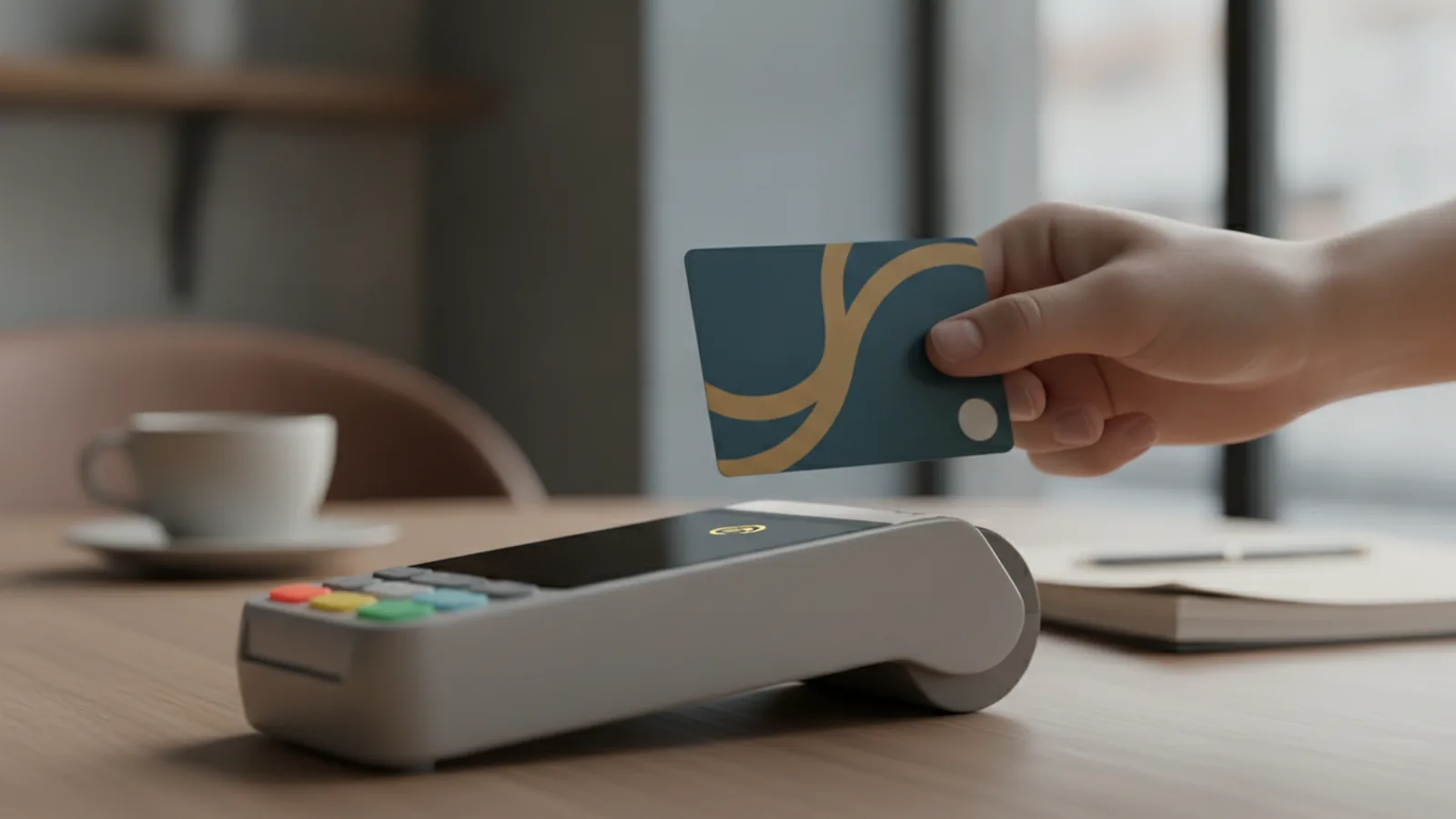
So, how do bank cards work? A bank card lets a payment system move money between your bank account and the merchant’s bank. When you tap, insert, or swipe, the card and the payment terminal exchange card data. Then card networks route that data through payment processing systems to approve or decline the transaction.
Most cards today use EMV chip technology plus a payment network for authorization. The merchant’s terminal asks your bank for approval using details from the chip or card. Your bank checks available funds, credit limits, and fraud signals. After approval, the transaction is authorized and the receipt shows a payment status.
Bank cards also support non-purchase uses like cash withdrawals. Many cards can access ATM services because the card holds the needed account routing and authentication details. That is why the same card can pay at a store and withdraw cash from a machine.
- Authorization step: your bank approves or blocks the payment
- Settlement step: the final money movement happens later
- Rules step: limits and fraud checks decide what’s allowed
How debit cards function
How do debit cards function in plain terms? A debit card is linked directly to a checking account. During a purchase, the transaction pulls from your available balance right away. If your balance is low, the bank may decline the payment.
Debit card spending is therefore tied to cash you already have. That’s a major reason debit cards feel like “paying with your own money.” Some merchants may also place a temporary hold for card payments, which can affect what you see as available funds.
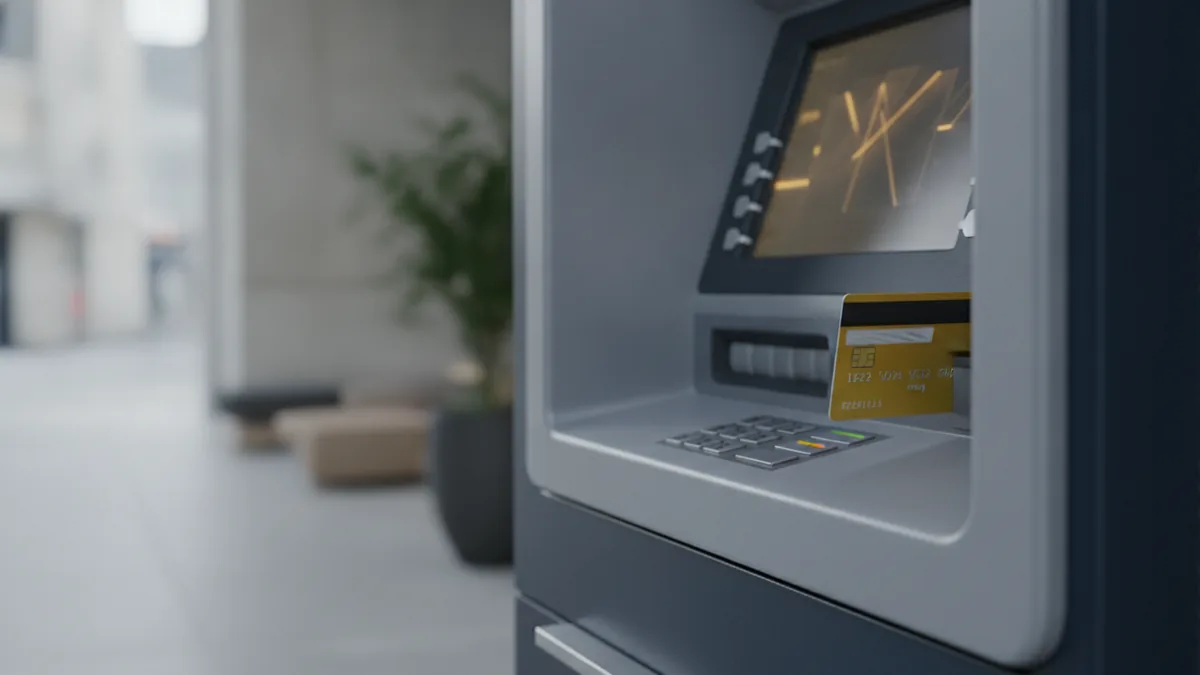
Debit cards also provide ATM access. You can typically withdraw cash, deposit cash, and in some cases transfer funds. These ATM transactions use your PIN and the ATM’s secure connection to verify you and process the request.
- Insert or tap your debit card at the ATM
- Enter your PIN for sign-in
- Choose cash withdrawal, deposit, or transfer
- Confirm the amount and complete the transaction
Introduction to contactless payments
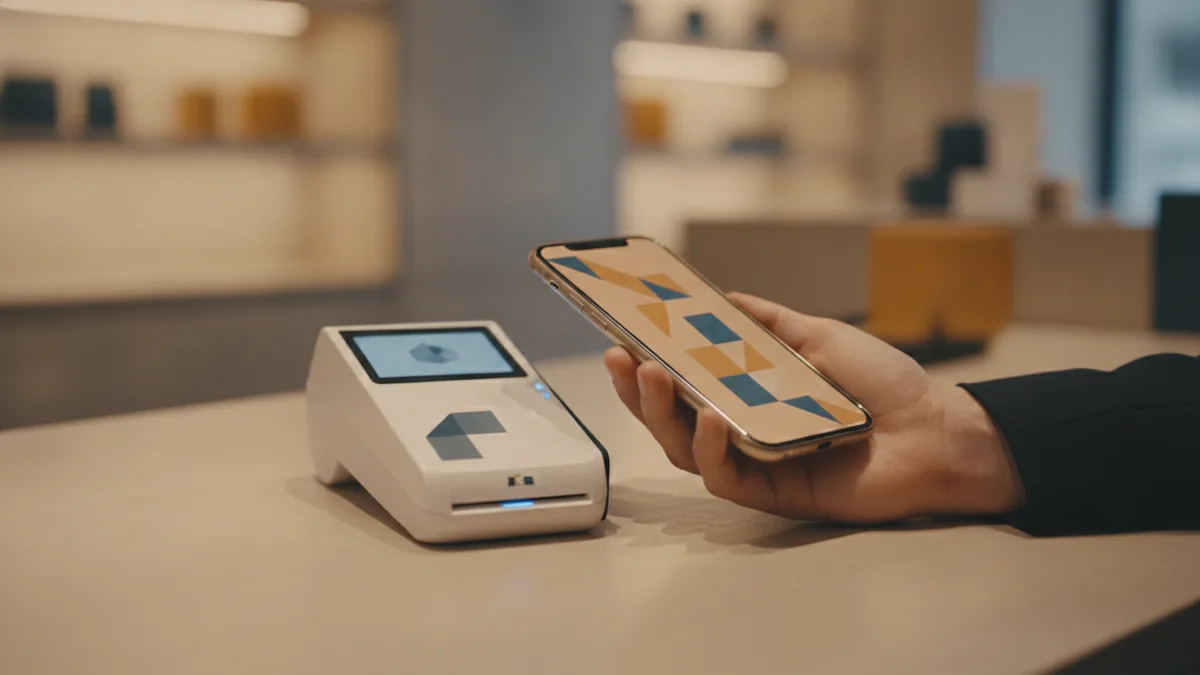
Contactless cards make checkout faster by using NFC technology. NFC, or Near Field Communication, is a short-range radio link between your card and the payment terminal. Because the terminal and the card only need to be close, you can pay without inserting the chip or swiping.
When you ask, “how do contactless payments work,” the key idea is proximity. You hold the card near the terminal for a moment. The terminal reads payment credentials and sends a request for authorization. If your bank approves, the terminal completes the transaction and you usually get a quick confirmation.
Contactless payments can also live inside digital wallets. A digital wallet can store multiple payment methods on your smartphone. So you can pay using the phone rather than carrying separate cards, as long as the wallet supports your bank and card network.
- Less friction: no chip insertion or swipe needed
- Short tap: card and reader exchange data quickly
- Wallet support: add cards to digital wallets for easier use
Working mechanism of contactless cards
How do contactless cards work during a purchase? The terminal triggers the NFC link and requests card data. The card responds using secure payment credentials. Then your bank and the card networks evaluate the request for approval based on your account status and risk signals.
Contactless payments require near proximity. In practice, you usually hold the card close enough that the terminal can read it within about a second. If you move the card away too quickly, the reader may not complete the data exchange, and you’ll need to try again.
Contactless credit cards work under the same tap model, but the source of funds differs. With a credit card, the purchase is charged to a credit line rather than your checking balance. That means approval still happens, but the decision depends on your available credit and the issuer’s rules.
Security features help protect both debit and credit contactless payments. Most cards use a PIN for higher-risk actions or larger transactions. Many banks also send transaction alerts and use fraud protection measures to spot unusual patterns. If suspicious activity is detected, the bank can block the transaction and help you review what happened.
Advantages of using bank cards
Bank cards offer convenience because they support quick payments in many places. You can pay in stores, online through a card payment process, and at ATMs for cash needs. Contactless adds speed, especially when checkout lines are busy.
Debit cards can also help you manage spending. Since they draw from your checking account, you can pay without using a credit line. For many people, this supports day-to-day budgeting, especially when debit transactions are monitored through app alerts.
Contactless cards also reduce wear and tear. There is no repeated swipe head contact, and the chip insertion step is shorter. Still, you should keep your cards clean and dry because dirt can reduce card-reader reliability.
| Card feature | What it does for you |
|---|---|
| PIN protection | Helps verify you, especially for ATM use |
| Transaction alerts | Warn you about new card payments |
| Fraud protection measures | Blocks or flags risky transactions |
| Contactless NFC tap | Speeds up checkout with near-field reading |
Comparing debit and credit cards
Debit vs credit cards looks similar on the outside. Both usually have the same card shape, magnetic stripe or chip, and a contactless symbol if they support NFC. But the money source differs, and that changes how the transaction behaves after approval.
With debit cards, purchases typically pull from your checking account. If funds are available, the card network and your bank authorization allow the purchase. With credit cards, the transaction draws from your credit line, and you repay later under the card’s billing terms.
That difference can change how you plan payments. For debit, overspending usually means the transaction gets declined. For credit, overspending depends on your credit limit and issuer policies, so approval can still happen until you hit that ceiling.
- Debit card: uses available checking funds
- Credit card: uses available credit line
- Both: can be contactless with NFC for quicker checkout
FAQs about bank cards
How do bank cards work for payments?
A bank card sends payment credentials to the terminal or ATM. The terminal requests authorization from your bank through the payment processing systems. If approved, the merchant completes the transaction and settlement happens later.
How do contactless payments work?
Contactless payments work by using NFC between the card and the terminal. You hold the card near the reader, the terminal reads it, and your bank authorizes the charge. If approved, you get a quick confirmation.
How do contactless cards work if the tap fails?
If the terminal can’t read the card, the payment won’t complete. Try again by holding the card steady closer to the reader. If it still fails, use chip insertion or your alternative payment method.
How do contactless credit cards work?
Contactless credit cards work like other contactless cards but charge your credit line. The tap still uses NFC to start the authorization request. Your issuer approves based on available credit and risk rules.
Do contactless payments need a PIN?
Often, small payments can go through without a PIN. For larger amounts, many issuers require PIN entry or another verification step. Rules vary by bank and transaction risk.
Can I use a debit card at an ATM?
Yes. Debit cards commonly support ATM transactions for cash withdrawals, deposits, and some transfers. You usually need your card and PIN to complete these actions.
Frequently asked questions
- How do bank cards work for purchases?
- A card sends payment credentials to the terminal. The terminal requests approval from your bank through payment networks, then the merchant completes the sale.
- How do contactless payments work with NFC?
- NFC lets the card and terminal exchange data over short distance. You hold the card near the reader and your bank authorizes the payment.
- How do debit cards function for everyday spending?
- Debit cards pull money from your checking account. If funds are not available, the bank or terminal may decline the transaction.
- How do contactless cards work when you tap at a store?
- The terminal reads your contactless credentials through NFC. After authorization, the terminal confirms the payment and prints or shows a receipt.
- How do contactless credit cards work compared with debit?
- They also use NFC for the tap, but they charge your credit line. Your issuer approves based on credit rules instead of checking balance.
- Do contactless payments always require a PIN?
- Not always. Many small purchases can complete without a PIN, but larger or higher-risk payments may require it.
Related reading
What Is Mastercard and How Does Its Payment Network Work?
Mastercard links banks, merchants, and shoppers through a global payment network.
What Is a Merchant? A Clear Guide to Trade and Payments
A clear guide to merchants, trade, online sales, and payment IDs.
Payment Details Meaning: What They Are, Why They Matter, and Examples
Payment details meaning explained with clear examples and ACH guidance.