What Is Mastercard and How Does Its Payment Network Work?
Mastercard links banks, merchants, and shoppers through a global payment network.
What Is Mastercard?
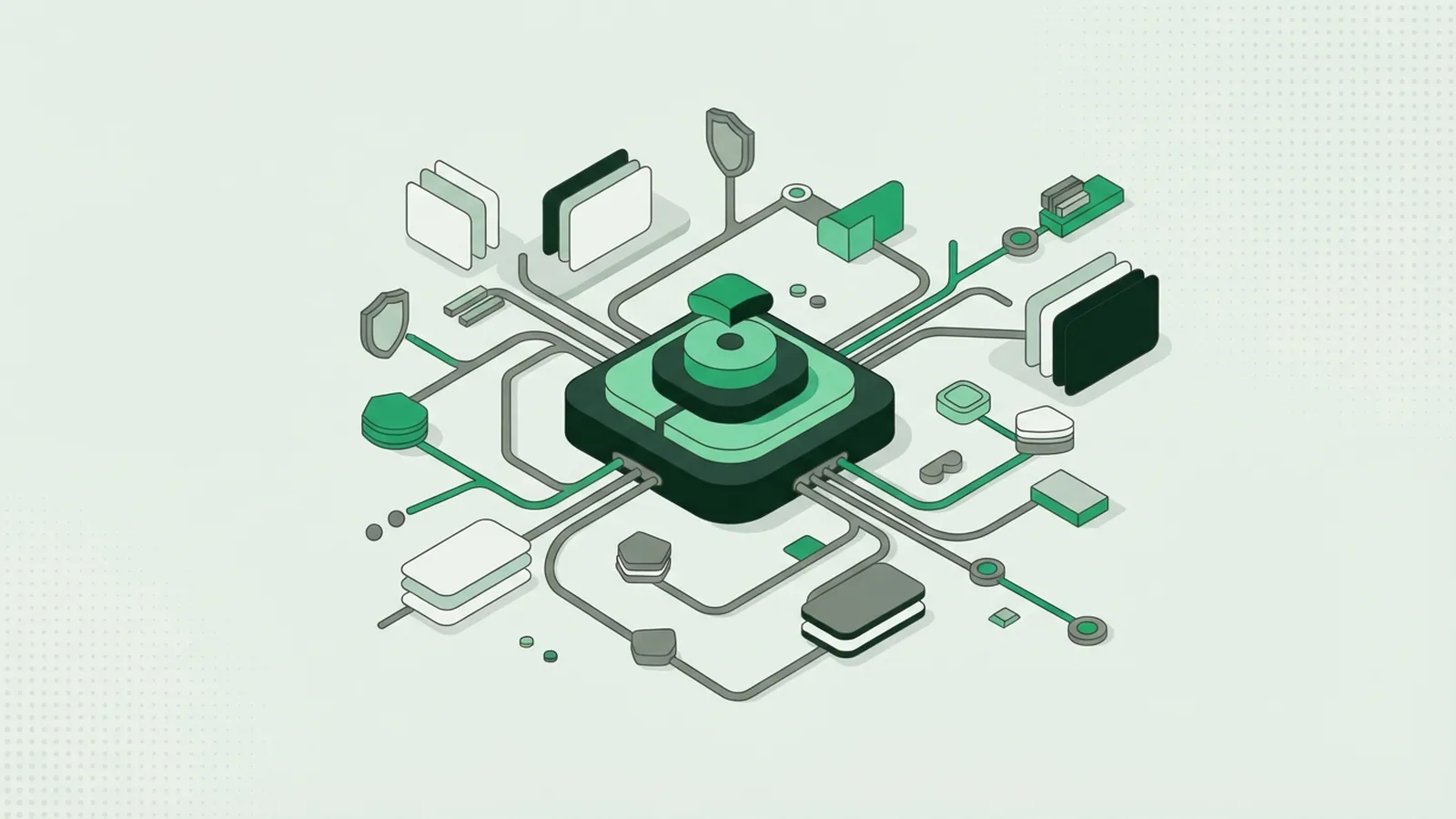
Mastercard is a global payment technology company. It runs a network that helps move payments between shoppers, banks, and merchants.
So, what is a Mastercard in daily use? It is usually a credit, debit, or prepaid card linked to the Mastercard network. A bank or other financial firm issues the card. Mastercard does not issue most cards itself.
Mastercard handles payment processing and related services. It helps approve payments, send payment data, and move funds between financial firms. The company also supports fraud checks, digital wallets, and cross-border payments.
The simple meaning of Mastercard is a payment network. It is not the bank that holds your money. It is the system that helps your card payment reach the right bank.
- Mastercard: Runs the payment network and related tools
- Your bank: Issues the card and manages your account
- The merchant: Accepts the payment for goods or services
- The cardholder: Starts the payment with a card or digital wallet
How Mastercard Began
Mastercard began in 1966. Several banks formed an alliance to compete with BankAmericard, which later became Visa.
The group first worked under the name Interbank. It later became Master Charge. The Mastercard name arrived in the 1970s as the network grew across borders.
Its early goal was clear. Banks needed a shared system for card payments across many merchants. A shared network let one bank's customer pay at another bank's merchant partner.
Mastercard then grew beyond plastic cards. It added online payments, mobile wallets, fraud tools, and business payment services. Its role now covers many forms of electronic funds transfer.

How the Mastercard Network Works
When you tap or enter a Mastercard card, the payment follows a set path. The merchant sends the payment request to its payment provider.
That provider sends the request through the Mastercard network. Mastercard routes the request to the bank that issued your card. The issuing bank checks your account, card status, and risk signals.
The bank then sends an approval or decline through the same path. This process often takes only a few seconds. The merchant receives the result and completes the sale.
Later, the banks settle the approved payment. Settlement moves the money to the merchant's bank after the payment clears. Mastercard helps connect the parties, but it does not hold the shopper's deposit account.
- You present your card or wallet at checkout.
- The merchant sends a payment request.
- Mastercard routes the request to your issuing bank.
- Your bank checks funds, account rules, and fraud risk.
- The result returns to the merchant.
- The banks settle the payment after approval.
This model separates key jobs across several firms. The network routes data. The issuing bank manages your account. The merchant's bank handles the merchant side.
Mastercard Credit, Debit, and Prepaid Products
Mastercard supports several card types. The exact card terms come from the issuing bank, not Mastercard.
| Card type | Where the money comes from | Common use |
|---|---|---|
| Credit card | A credit line from the issuer | Daily spending and larger purchases |
| Debit card | Funds in your bank account | Shopping and cash access |
| Prepaid card | Money loaded onto the card | Budgets, gifts, and controlled spending |
A Mastercard credit card lets you borrow under the issuer's terms. You may pay interest if you carry a balance. The issuer also sets your credit limit and payment date.
A prepaid Mastercard uses money loaded before use. It may suit travel, gifts, or workers without a standard bank account. Fees and reload rules vary by issuer.
Some Mastercard products are virtual cards. They can work in online stores or mobile wallets. The bank still controls account access, fees, and support.
What Is a Mastercard Debit Card?
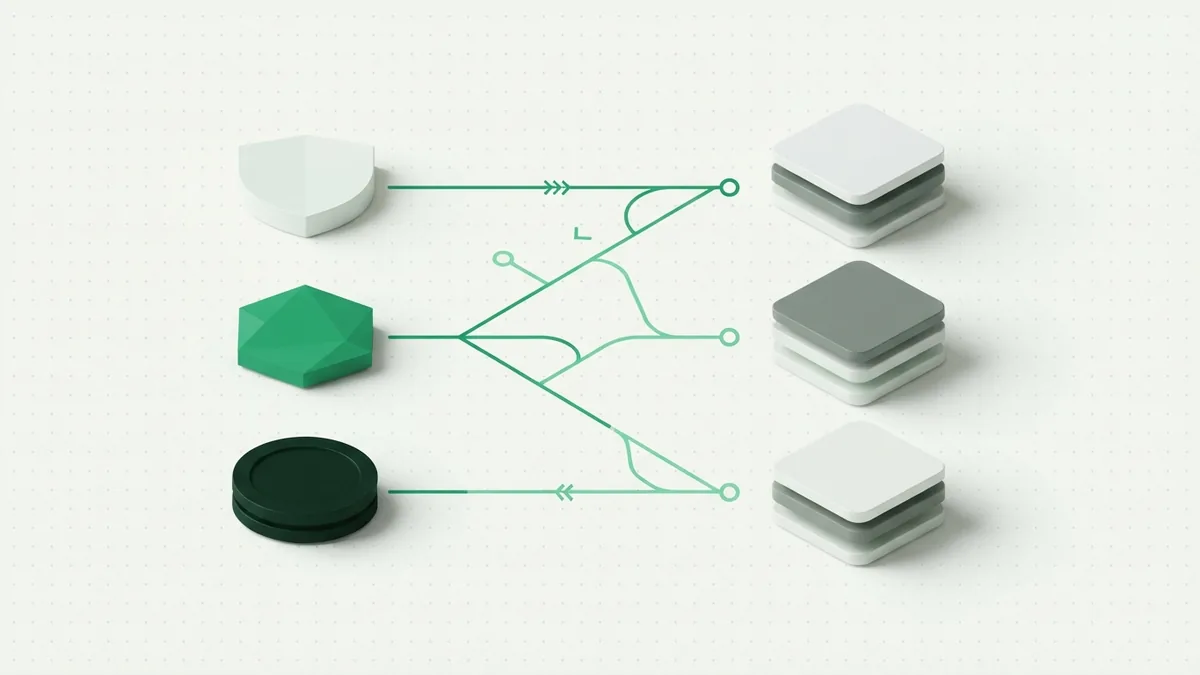
A Mastercard debit card lets you spend money from a linked bank account. It may also let you withdraw cash at supported cash machines.
When you ask, “what is Mastercard debit,” the short answer is direct spending from your own funds. A debit payment usually reduces your available account balance. It does not create a standard credit balance.
Your bank issues the card and sets its rules. Those rules can include daily limits, cash fees, foreign use fees, and overdraft terms. Mastercard supplies the network that carries the payment request.
Debit cards can work in shops, online stores, apps, and digital wallets. Some payments may use a PIN. Others may use a tap, wallet check, or other sign-in step.
- Check your bank account before large purchases.
- Set alerts for card payments and cash withdrawals.
- Lock the card quickly if it goes missing.
- Ask your bank about foreign use and cash fees.
Mastercard's Global Reach
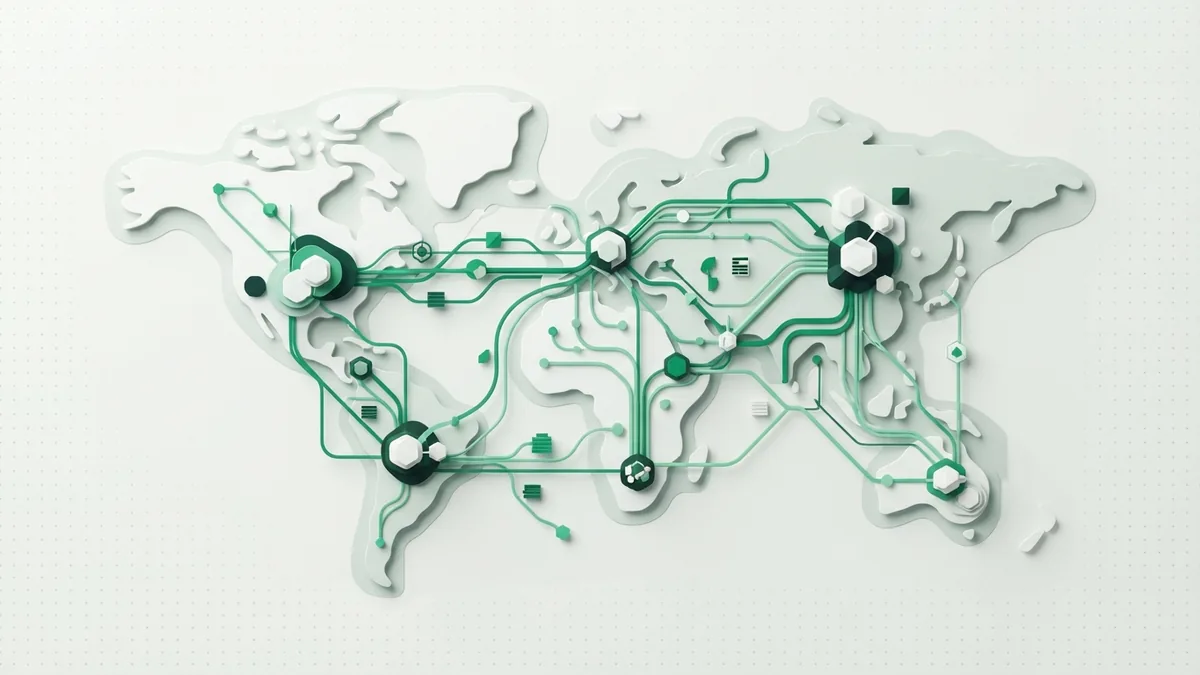
The Mastercard network operates in more than 210 countries and territories. This reach helps cardholders pay while traveling and helps merchants serve overseas buyers.
Mastercard supports more than shop payments. Its network can carry business-to-business payments, peer-to-peer transfers, and cross-border transactions.
For businesses, cross-border tools can help send funds to suppliers or workers. For consumers, the same network can support purchases in another country. Currency conversion and foreign fees still depend on the bank or service provider.
Its reach does not mean every card works everywhere. A merchant must accept Mastercard. Local rules, account limits, and network access can also affect a payment.
Security and Digital Payment Tools
Mastercard invests heavily in digital payments and transaction security. Its tools can help spot unusual payment behavior and reduce fraud risk.
One example is tokenization. A token replaces the card number with a different payment value. This can limit the value of stolen card data.
Mastercard also supports contactless payments and digital wallets. These tools can reduce the need to share the full card number with a merchant. Your bank may add extra checks for risky payments.
No payment system removes every risk. You should still protect your PIN, review account alerts, and report unknown payments to your bank. The bank usually handles card disputes and account recovery.
Why Mastercard Matters in Finance
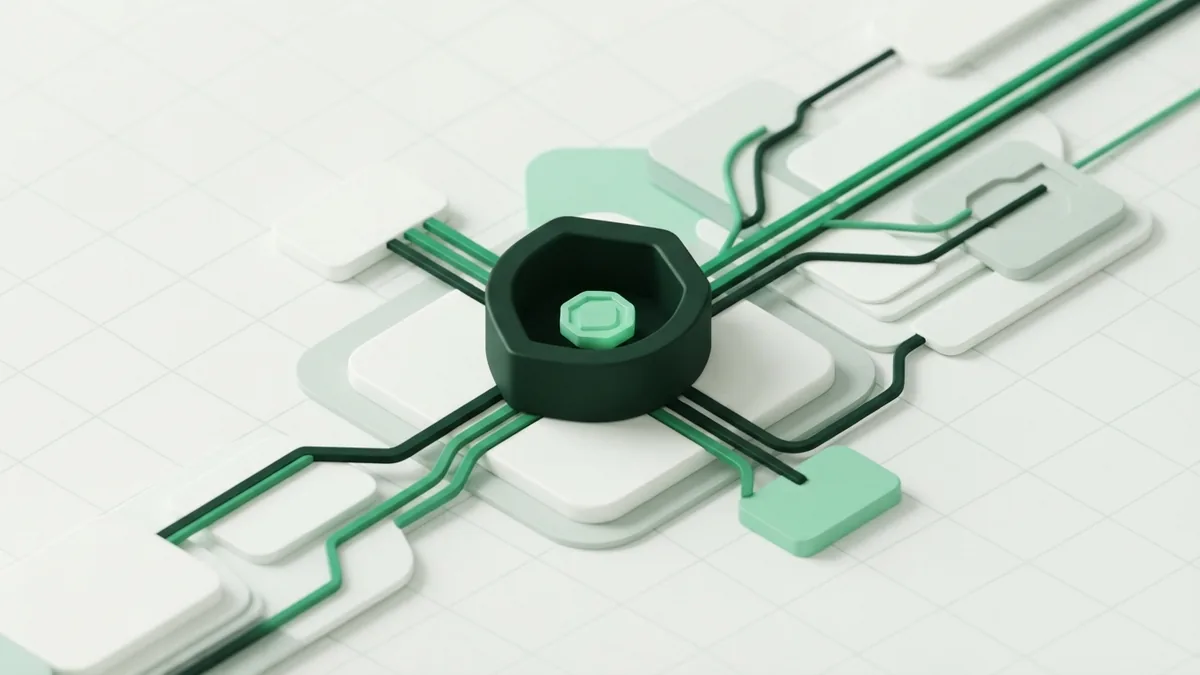
Mastercard gives banks a shared way to connect with merchants worldwide. That shared network lowers the need for each bank to build its own merchant system.
It also helps move more payments into electronic form. Consumers can pay without cash. Businesses can accept payments through stores, websites, apps, and business tools.
The network supports many sides of the financial sector. Banks use it for card accounts. Merchants use it for acceptance. Governments and firms can use related tools for controlled payment programs.
Mastercard earns fees from services tied to payment volume and network use. It does not earn money by lending directly to most cardholders. Your issuer remains the main source for rates, fees, rewards, and account help.
- Wide acceptance across many markets
- Support for credit, debit, and prepaid cards
- Tools for online, mobile, and contactless payments
- Payment support for consumers and businesses
- Security tools that help limit payment fraud
In short, Mastercard is the connection layer behind many card payments. The card comes from a bank, but the payment often travels across Mastercard's network.
Frequently asked questions
- What is Mastercard?
- Mastercard is a global payment technology company. It runs a network that routes payments between merchants, banks, and cardholders.
- What is a Mastercard debit card?
- A Mastercard debit card spends money from a linked bank account. A bank issues the card, while Mastercard carries the payment request.
- Does Mastercard issue credit and debit cards?
- No. Banks and other financial firms usually issue Mastercard cards. Mastercard provides the network and related payment tools.
- What is the Mastercard network?
- The Mastercard network connects merchants, payment providers, and issuing banks. It routes payment requests and helps banks settle approved payments.
- Where can I use a Mastercard card?
- You can use it at participating shops, websites, apps, and digital wallets. Acceptance, fees, and limits depend on the merchant and card issuer.
Related reading

What Is a Merchant, and Where Do They Fit in Payments?
A clear guide to merchants, trade, online sales, and payment IDs.
Payment Details Meaning: What They Are, Why They Matter, and Examples
Payment details meaning explained with clear examples and ACH guidance.
What Is Secure Pay? 3D Secure, Benefits, and Setup Guide
Secure pay protects online payments with encryption, tokenization, and 3D Secure authentication.