What Is Secure Pay? 3D Secure, Benefits, and Setup Guide
Secure pay protects online payments with encryption, tokenization, and 3D Secure authentication.
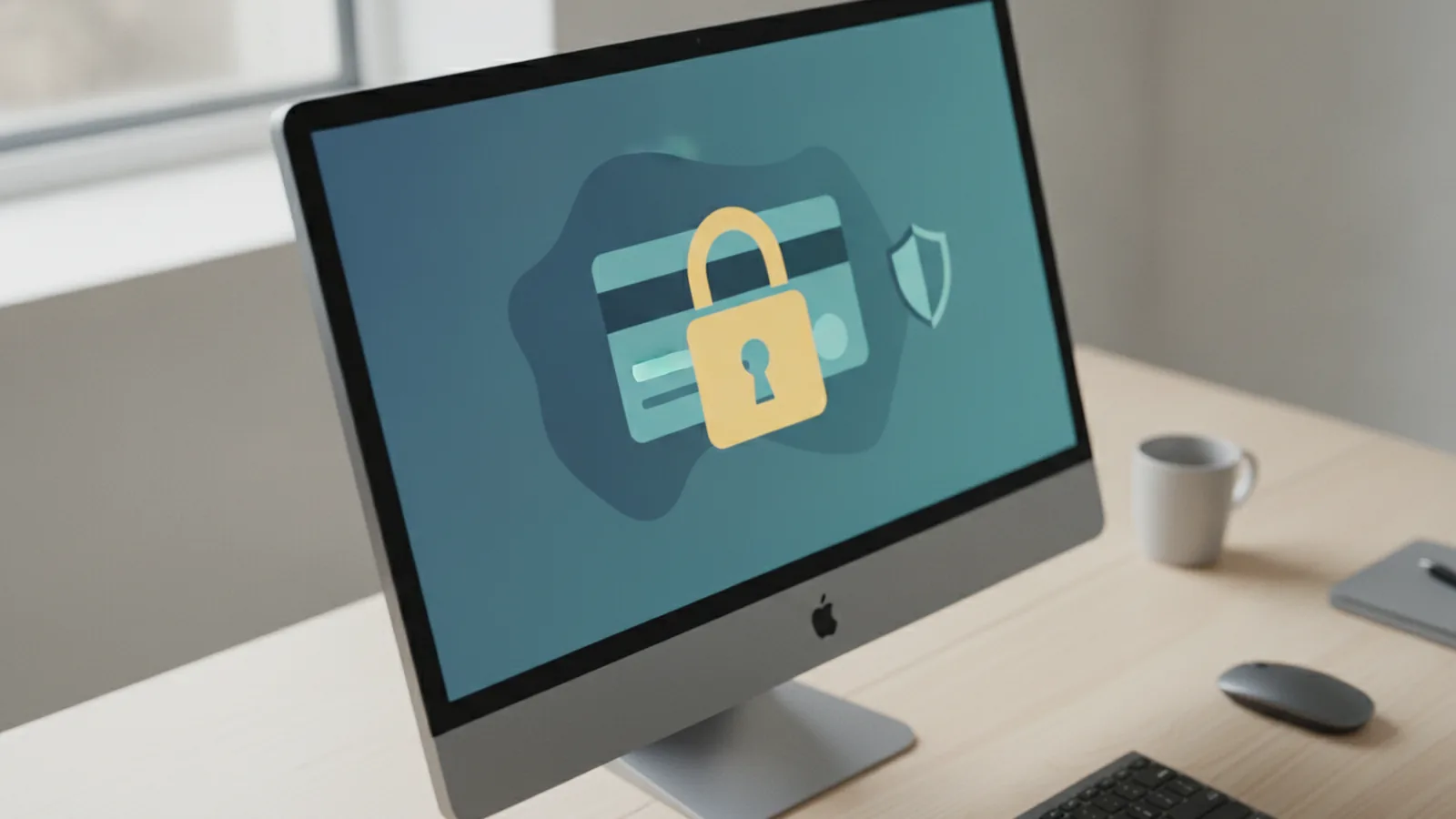
What is secure pay, and why it matters
Secure pay is a set of controls that protect payment data during online transactions. Its job is simple. It reduces fraud and helps keep customer data safe. In practice, it covers how payment info is sent, stored, and checked between buyers, payment gateways, and payment processing tools.
If you are wondering, “what is secure pay?” think of it as end-to-end transaction security. The goal is not only to block bad actors. It also helps real customers complete payments with fewer declines. That balance is what makes secure pay worth the effort for businesses and buyers.
Secure payment solutions usually combine multiple layers. Encryption protects data in transit. Tokenization can limit what merchants ever see. Strong sign-in checks and secure payment authentication add extra proof before a charge is approved.
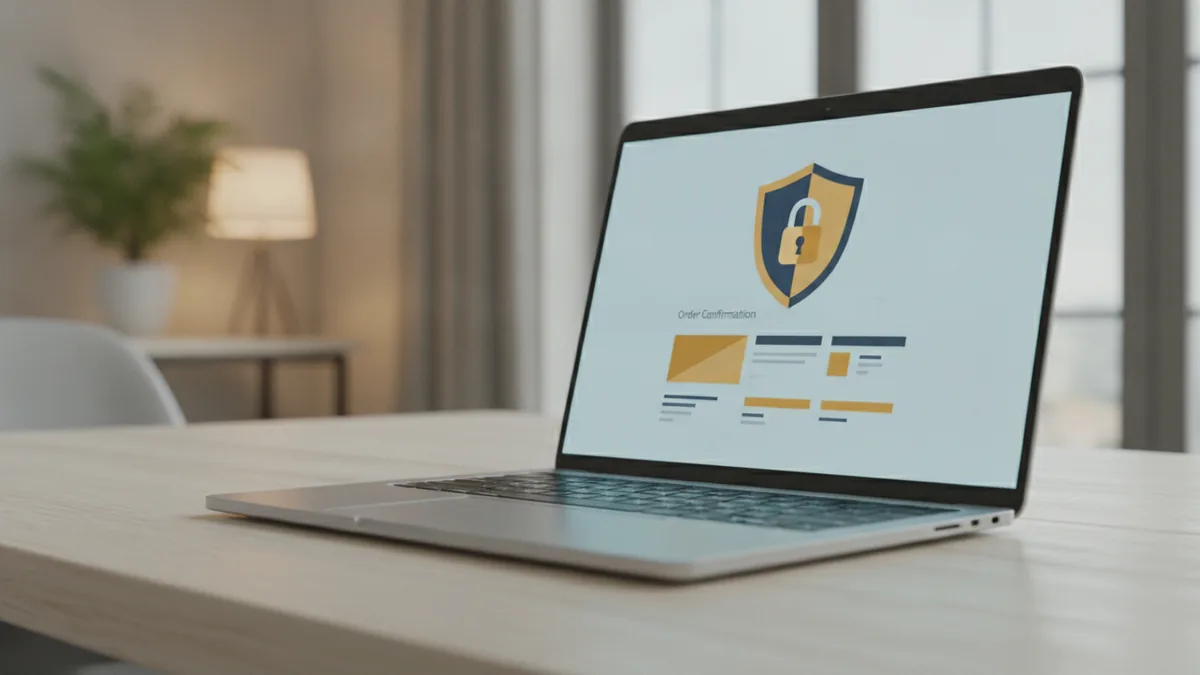
How secure payment authentication reduces risk
The biggest threat in online payments is often account takeovers and card testing. Criminals try stolen cards, weak logins, and scraped customer data. Secure payment authentication aims to stop those attempts by adding an identity check step.
That is where 3D secure pay comes in. It is a method for secure payment authentication used during checkout. It adds a verification step tied to the cardholder’s bank or issuer. If the payer cannot complete the challenge, the payment can be blocked or routed for extra checks.
Market growth also shows that merchants and issuers see clear value. The 3D secure pay authentication market has been expanding as e-commerce grows and fraud tactics change. In many regions, issuers have increased rollout of authentication programs to meet tougher fraud and chargeback pressure.
- More online shopping increases the volume of card-not-present risk.
- More fraud tooling pushes issuers toward stronger checks.
- More digital wallets and mobile payments drive more device traffic to verify.

Key technologies behind secure pay
Secure pay is not one feature. It is a stack of technologies that work together. The main pieces you will hear about are encryption, tokenization, and risk checks.
Encryption protects payment data while it travels over networks. Even if traffic is intercepted, strong cryptography makes it unreadable. Many secure payment solutions also use transport layer security to keep sessions safe.
Tokenization replaces sensitive card data with a non-sensitive token. That token can be used for payment processing without exposing the real number to the merchant. It reduces the blast radius if a website or system is breached.
Fraud protection also plays a role. Risk engines can score a payment using signals like device trust, billing match, and past behavior. Some flows combine those signals with 3D secure pay authentication for better outcomes.
| Technology | What it protects | Where it helps |
|---|---|---|
| Encryption | Data in transit | Checkout and API calls |
| Tokenization | Card numbers at rest | Merchant systems and logs |
| 3D secure pay | Cardholder proof | Checkout approval step |
| Fraud scoring | Suspicious patterns | Payment processing routing |

3D Secure pay authentication: what it is and how it works
3D secure pay authentication is a verification flow between the merchant, the card network, and the cardholder’s issuer. It is triggered during payment authorization for eligible transactions. The exact steps can vary by region and by issuer rules.
In a typical flow, the buyer enters payment details. Then the payment system sends a request for authentication. The issuer checks the customer’s device and identity. That can involve a frictionless check, or a step like a one-time passcode or app approval.
If the authentication succeeds, the issuer sends a result back to the payment flow. The merchant can then complete authorization with a stronger proof of cardholder intent. If it fails, the payment can be declined or handled with additional rules.
Why this matters for customer experience
Customers do not want long friction. That is why many issuers support “frictionless” outcomes. When risk is low, verification may happen in the background. When risk is high, the customer sees a challenge.
Businesses benefit because fewer fraudulent orders reach fulfillment. They also see fewer chargebacks when authentication is used properly. The best results usually come from aligning checkout UX with the authentication step.
- Use clear messaging during the auth challenge.
- Keep checkout time short to avoid drop-offs.
- Test flows across desktop and mobile devices.

How secure pay works in a real transaction
To understand secure pay end to end, follow one payment. A shopper places an order and proceeds to checkout. The merchant collects payment intent, then hands the request to a payment gateway or payment processing tool.
At that point, secure payment solutions protect the data. Encryption keeps checkout traffic safe. Tokenization can prevent the merchant from handling raw card data. Then the payment processor performs authorization checks based on issuer responses and risk signals.
If the transaction needs secure payment authentication, a 3D secure pay authentication request is sent. The issuer evaluates risk and sends an auth result back. After the result is received, the processor either approves, declines, or routes the payment to a fallback flow.
For businesses, the last mile is monitoring. Payment logs should capture non-sensitive details like auth results and gateway status codes. That helps with fraud protection and support, without increasing customer data exposure.
Implementing secure payment solutions the right way
Implementing secure pay starts with PCI compliance. PCI compliance is a set of rules from the Payment Card Industry. It sets security steps for anyone who stores, processes, or transmits cardholder data. Even if you use a gateway, your site and integrations must meet the needed requirements.
Most merchants reduce scope by not handling card data directly. Using a hosted checkout or token-based flow can keep sensitive data out of your servers. Still, you must configure your payment gateway, tighten access controls, and verify the integration details.
Here are practical best practices for rolling out secure payment solutions:
- Use a reputable payment gateway that supports encryption, tokenization, and secure checkout.
- Enable 3D secure pay authentication for the right card types and risk tiers.
- Reduce stored data by using tokens and limiting card data in logs.
- Set up monitoring for declines, auth results, and fraud signals.
- Test mobile payments and digital wallets because flows can differ by app and device.
- Run PCI checks with your security team and verify provider responsibilities.
Real-world application looks like this. An online retailer enables 3D secure pay authentication for first-time customers. It also tunes risk rules so low-risk users get frictionless auth. Support then uses auth results to explain declines without asking customers for full card details.
For consumers, the win is clearer. They get more protection when they pay online. They also see fewer “mystery declines” when authentication is handled smoothly. That is the real purpose of secure and pay workflows.
FAQ on secure pay
Is secure pay only about 3D secure pay?
No. 3D secure pay is one authentication method. Secure pay also uses encryption, tokenization, and fraud checks.
What is secure payment authentication used for?
It verifies cardholder intent before payment approval. This lowers fraud and can reduce chargebacks.
Does 3D secure pay increase checkout time?
It can, depending on the issuer flow. Many transactions use frictionless checks, which are fast for customers.
Do businesses still need PCI compliance if they use a payment gateway?
Yes. PCI compliance depends on your exact setup and data flow. Your gateway helps, but your integration must still meet the rules.
How do secure payment solutions protect customer data?
They protect data in transit with encryption. They also limit exposure using tokenization and careful logging practices.
Where does fraud protection happen in secure pay?
It can happen during risk scoring and during the 3D secure pay authentication step. The exact mix depends on your payment stack.
Frequently asked questions
- What is secure pay in online payments?
- Secure pay is a set of protections that keep payment data safe and help prevent fraud. It covers how data is sent, stored, and verified during checkout.
- How does 3D secure pay authentication reduce fraud?
- It adds an issuer-based verification step before authorization. When risk is high, the payer must complete a challenge.
- What technologies are used in secure payment solutions?
- Encryption protects data in transit. Tokenization limits exposure of sensitive card data, and risk tools help detect suspicious patterns.
- What is PCI compliance, and why does it matter?
- PCI compliance is the rule set for securing cardholder data. It helps reduce breaches and supports trusted payment handling across the ecosystem.
- How can businesses implement secure pay effectively?
- Enable 3D secure pay authentication, use a gateway that supports tokenization, and test mobile flows. Also monitor declines and keep logs free of sensitive data.
- Does secure pay work for digital wallets and mobile payments?
- Yes. Secure payment authentication and protection layers can apply to mobile payments and digital wallets too. The exact flow may differ by device and issuer rules.
Related reading
What Is Mastercard and How Does Its Payment Network Work?
Mastercard links banks, merchants, and shoppers through a global payment network.

What Is a Merchant, and Where Do They Fit in Payments?
A clear guide to merchants, trade, online sales, and payment IDs.

Payment Details Meaning: What They Are, Why They Matter, and Examples
Payment details meaning explained with clear examples and ACH guidance.