Digital Wallets Explained: Types, Payments, Security & What’s Next
Digital wallet basics: types, payment flow, security, and where it fits in digital payments.
Quick answer: what a digital wallet does
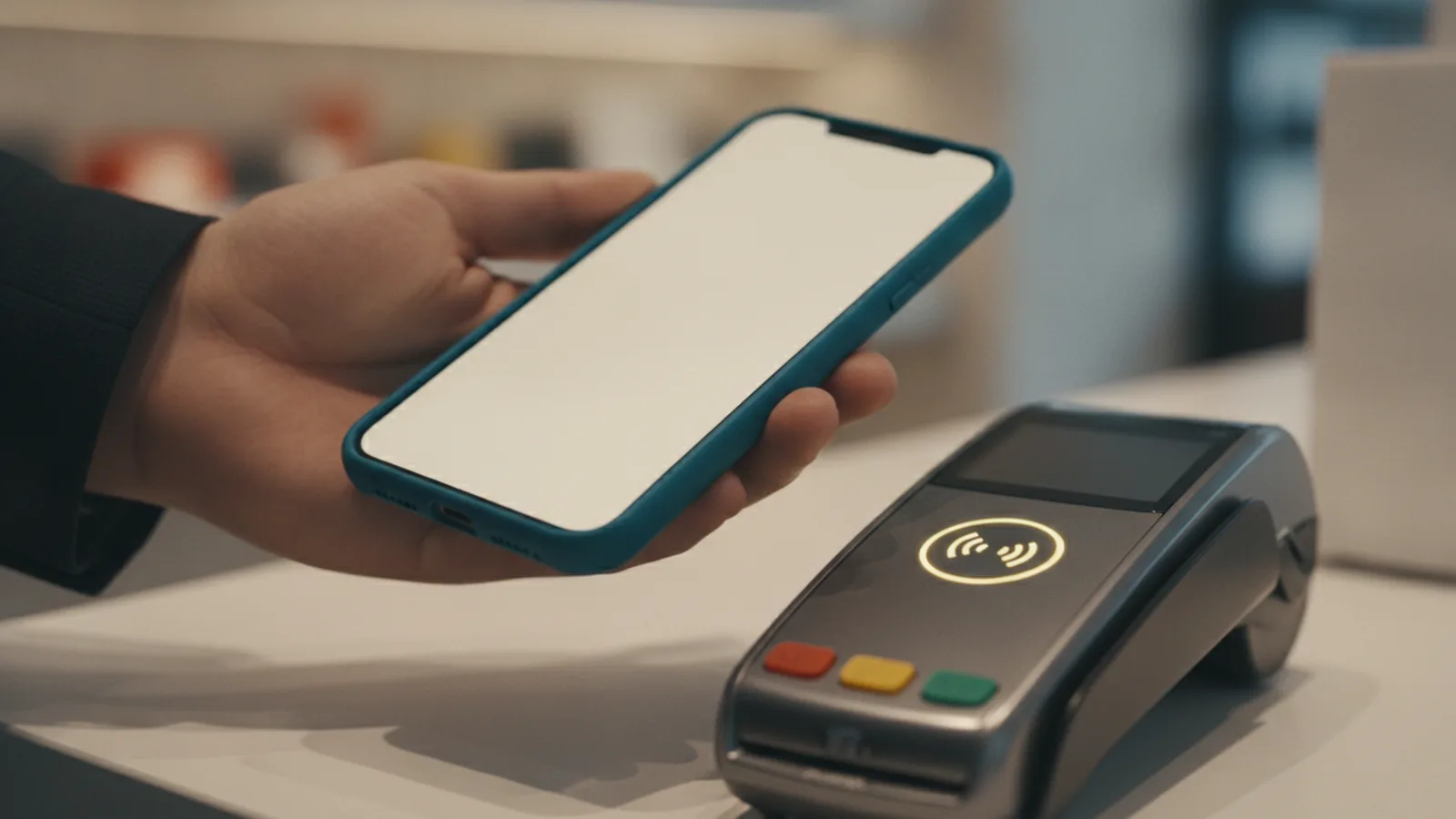
A digital wallet is an app that stores pay details. It helps you pay in shops and online. If you ask “what is digital payment,” it means paying through digital channels.
The wallet connects you to the pay network and the seller. It sends a pay request and then gets a clear yes or no. This is why paying can feel quick and simple.
People also say e-wallet for the same idea. Many use it for apps that store cards or add money. A digital wallet can be broader than that.
Different types of digital wallets you’ll see in daily life
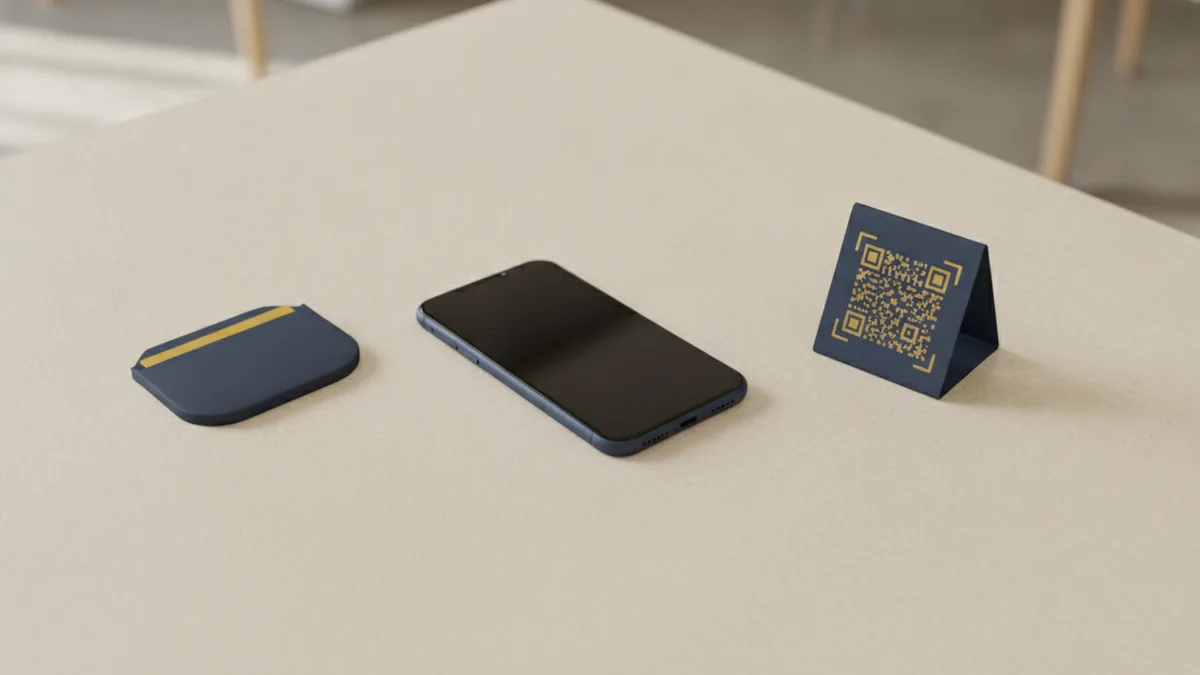
There is no single best wallet for everyone. It depends on how you pay most often. Some wallets are best for tap to pay.
Many also help with e-commerce transactions. That means buying on a store site. Some wallets support peer-to-peer payments as well.
- Mobile wallets: Phone apps for tap-to-pay and online checkout.
- Web-based wallets: Wallet features inside a browser checkout flow.
- Card wallets: Store card details using a token when possible.
- Balance wallets: Hold a usable balance that you top up.
- Business wallets: Help firms manage payouts or bill payments.
- Crypto wallets: Store crypto keys for crypto payments.
When people ask about types of digital payment, they often mean how pay starts. Mobile pay often uses NFC. Online pay often uses secure checkout steps.
Each type has its own fit and limits. You pick what matches your device and habits.
How digital payments work, step by step
The digital payment process can change by country. Still, the core steps stay familiar. You can map most flows to one main sequence.
In stores, your phone talks to the terminal using NFC. Online, the wallet helps with a secure checkout step. The goal is to verify and route the pay fast.
Here is a typical flow for making a payment.
- Pick a method: Your wallet selects the card or balance you want.
- Prove it’s you: The wallet asks for PIN or biometrics. It locks the action to you.
- Send a pay ask: The wallet sends a signed pay request to the network.
- Use a token: If tokenization is used, a digital token stands in for data.
- Get an answer: The issuer checks rules and sends approval or decline.
- Show a result: Your wallet shows success and saves the receipt.
Some systems use a digital token based electronic payment system. That means tokens reduce exposure to raw data. It can also lower risk during the digital payment process.
Under the hood, designs differ by network rules. That is part of the payment system architecture.
The user sees only the outcome. The rest runs in the background.
Advantages of digital wallets for shoppers and merchants
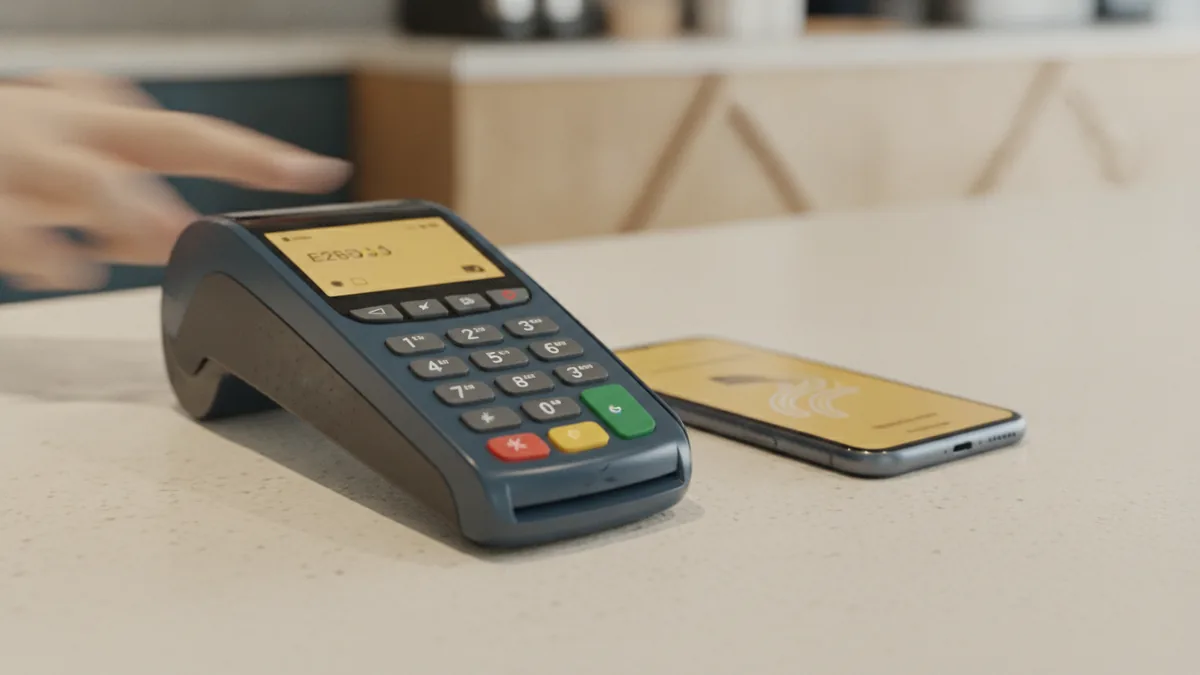
Many ask about the advantages of digital payment. They usually mean fewer steps at checkout. They also mean faster pay at the register.
Speed matters, but safety matters too. Wallets can add strong checks before any pay goes out. They can also hide raw card data using tokens.
Here are benefits of digital payment that show up in daily use.
- Convenience: Tap to pay and quick sign-in.
- Speed: Less typing, fewer screens, quicker approvals.
- Payment security: Encryption and tokens help protect data.
- Control: You manage methods in one place.
- Clear history: Receipts and logs help with returns and disputes.
Wallets can also support financial inclusion. In some areas, mobile payments reach people without cards. That can help with bills and day-to-day buys.
For peer-to-peer payments, the app often uses phone numbers. It then routes money through the same pay rails. Some flows also apply transaction fees.
For merchants, this can mean smoother checkout. Fewer steps can reduce drop-offs online.
The digital payment ecosystem: who does what
The digital payment ecosystem is the set of teams that make pay work. It includes the wallet, the seller, and the pay networks. It also includes banks that approve payments.
This is the part people miss when they ask “what is digital payment.” The wallet sends the request. Other systems decide the approval and handle settlement.
Common parts in the digital payment ecosystem include these roles.
| Part | What it does |
|---|---|
| Customer wallet | Stores your pay method and handles sign-in. |
| Merchant | Sends purchase details through a terminal or checkout. |
| Processor and gateway | Moves the request to the right network. |
| Pay network | Applies rules across issuers and merchants. |
| Issuer | Approves or declines based on account checks. |
| Token service | Creates a token for safer payment data use. |
When you hear types of digital payment system, this is what it points to. Different systems connect these parts in different ways. That is why some flows feel different.
On adoption, the trend is clear worldwide. Non-cash payments keep rising as phones become payment tools. In many places, contactless payments and QR use drive growth.
Exact numbers shift by year and report. Still, the big direction stays the same.
Security features of digital wallets that reduce risk
Payment security is the main goal of a digital wallet. The aim is to protect data and stop misuse. It also helps catch fraud early.
Two key tools show up often. Encryption protects data as it moves. Biometric authentication helps verify you before pay is sent.
Here are security features you may see in modern wallets.
- Encryption: Locks data during transfer and storage.
- Biometrics: Face or fingerprint checks for pay approval.
- Device checks: Limits actions to a trusted phone state.
- Tokenization: Uses a digital token instead of raw data.
- Signed asks: Confirms the request comes from the real wallet.
- Risk checks: Flags odd patterns and blocks risky tries.
NFC and QR code tech also helps reduce mistakes. NFC supports a contactless exchange with the terminal. QR often uses a merchant code that links to the right pay target.
A good wallet also supports fast recovery. If you lose a phone, you can lock the app.
That limits damage if someone gains access.
Future trends in digital payments
Digital payments keep changing as wallets add more roles. People want one app for paying, managing cards, and getting receipts. They also want simpler sign-in across devices.
More contactless payments are rolling out. Many small stores now accept tap-to-pay. Transit and local services are also adopting it.
QR code payments will likely keep growing too. QR flows can work well where terminal installs are hard. They also fit easy phone scanning.
We will also see more token use. That supports digital token based payment systems that reduce data exposure. It can also speed up the digital payment process with safer paths.
Expect better fraud defense without slowing users. Risk checks will use more device signals and better models. The digital payment ecosystem will keep adding safety layers.
In the end, people will judge it by trust and speed. Those stay the key.
FAQ
What is a digital wallet and what does it do?
A digital wallet stores pay details and helps you pay in stores or apps. It can ask you to sign in or confirm with biometrics.
What is digital payment in everyday terms?
Digital payment is paying through digital channels like wallet apps and checkout pages. A network and an issuer decide if the payment is approved.
What are the main types of digital payment systems?
Common types include card-based flows, wallet-based flows, and token-based designs. They differ in how credentials are stored and how approval is done.
How do NFC and QR codes support transactions?
NFC enables tap-to-pay by sharing data between phone and terminal. QR payments often route to a merchant target through a scan flow.
What are the main advantages of digital payment?
Users often notice speed and fewer steps at checkout. Many also benefit from added payment security controls in the wallet.
What is a digital token based e payment system?
It is a design where a digital token stands in for raw payment data. Tokens help reduce exposure during the digital payment process.
Frequently asked questions
- What is a digital wallet and what does it do?
- A digital wallet stores pay details and helps you pay in stores or apps. It can ask you to sign in or confirm with biometrics.
- What is digital payment in everyday terms?
- Digital payment is paying through digital channels like wallet apps and checkout pages. A network and an issuer decide if the payment is approved.
- What are the main types of digital payment systems?
- Common types include card-based flows, wallet-based flows, and token-based designs. They differ in how credentials are stored and how approval is done.
- How do NFC and QR codes support transactions?
- NFC enables tap-to-pay by sharing data between phone and terminal. QR payments often route to a merchant target through a scan flow.
- What advantages of digital payment matter most to users?
- Users often notice speed and fewer steps at checkout. Many also benefit from added payment security controls in the wallet.
- What is a digital token based e payment system?
- It is a design where a digital token stands in for raw payment data. Tokens help reduce exposure during the digital payment process.
Related reading
What Is Mastercard and How Does Its Payment Network Work?
Mastercard links banks, merchants, and shoppers through a global payment network.
What Is a Merchant, and Where Do They Fit in Payments?
A clear guide to merchants, trade, online sales, and payment IDs.
Payment Details Meaning: What They Are, Why They Matter, and Examples
Payment details meaning explained with clear examples and ACH guidance.