What Is a Merchant, and Where Do They Fit in Payments?
A clear guide to merchants, trade, online sales, and payment IDs.

What Is a Merchant?
What is a merchant? A merchant is a person or business that buys and sells goods for profit.
The word merchant can mean a seller, trader, or shop owner. Some merchants buy stock first. Others connect buyers with suppliers and earn a fee.
A merchant business may sell goods in a shop, at a market, or through a merchant website. It may also sell services, such as repairs, travel, or online lessons.
Merchants help goods move from supply to demand. They choose products, set prices, store stock, take payments, and handle delivery.
- Buying: The merchant finds goods and agrees on supply terms.
- Selling: The merchant offers goods at a price that covers costs.
- Risk: The merchant manages stock, damage, fraud, and weak demand.
- Service: The merchant answers questions and handles returns.
That is what merchant means in daily trade. A farm supplier, clothing shop, and online seller can all be merchants.
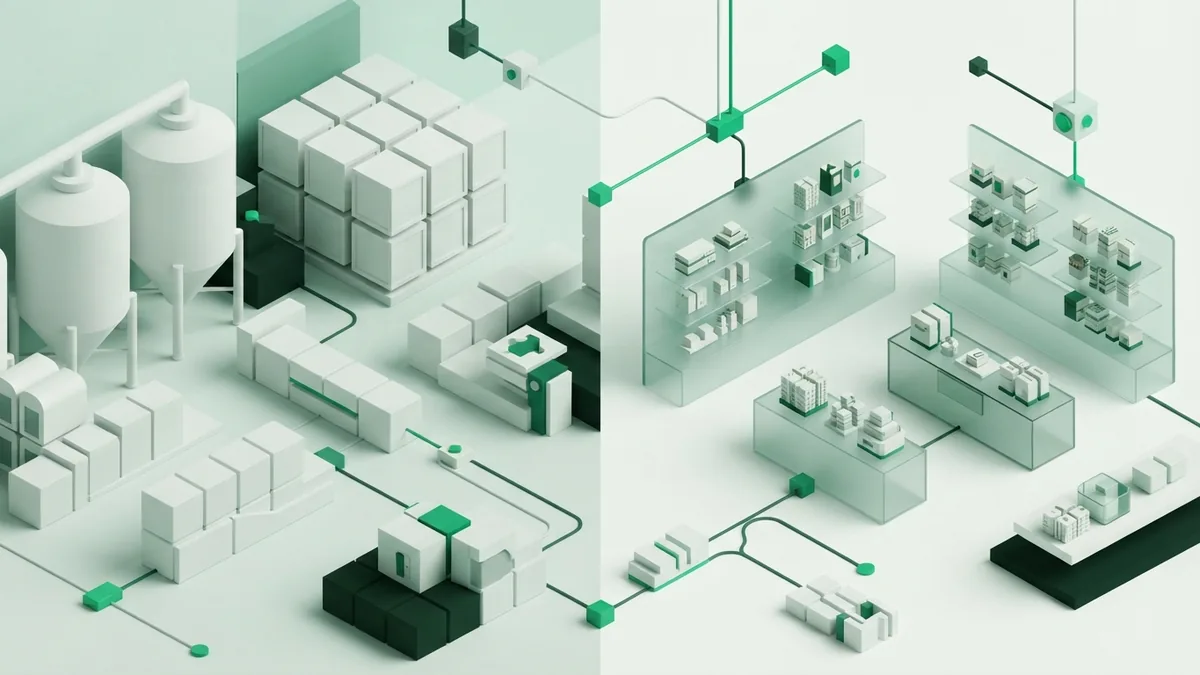
Wholesale and Retail Merchant Types
A wholesale merchant sells goods in large amounts. The buyers are often shops, builders, hotels, or other firms.
A retail merchant sells goods to the final buyer. Retail sales often involve one item or a small order.
Some firms work in both areas. A food firm may sell cases to shops and single items on its own site.
Each model has a different cost base. Wholesale trade needs storage and freight planning. Retail trade needs customer care and strong sales channels.
| Type | Main buyer | Typical sale | Example |
|---|---|---|---|
| Wholesale merchant | Another business | Large batch | Clothing sold to shops |
| Retail merchant | Final customer | Small order | A jacket sold online |
Merchants can also differ by product. Some trade raw goods, such as grain or metals. Others sell finished goods, such as food, tools, or home items.
How Merchants Shaped the History of Trade
Merchants have existed since the first large cities. Traders in Babylon moved grain, cloth, metals, and tools.
Merchants in ancient China linked local markets with distant trade routes. Roman merchants moved wine, oil, glass, grain, and spices.
Roads, ports, coins, and written deals helped these trade networks grow. The history of the Silk Road shows this link between regions.
During the medieval period, the merchant class became more visible. Merchants funded ships and built links between towns.
They helped create fairs, ports, banks, and trade rules. They also faced theft, storms, poor roads, and spoiled goods.
Merchants reduced these risks through partners, credit, storage, and shared ventures. Trade grew when sellers could trust buyers and protect their goods.

Merchants in Modern Commerce
Modern merchants still connect supply with demand. The tools have changed, but the core role remains.
A merchant must find goods, reach buyers, take payment, and deliver orders. Many now use merchant software for stock, sales, support, and reports.
Merchant services can include card payments, fraud checks, shipping tools, and stock control. A small shop may use one provider for many tasks.
A large firm may split these tasks across several providers. Its merchant management team checks sales, refunds, fees, and customer disputes.
Merchant ops is a short name for the daily work behind sales. This work includes payment checks, order fixes, account reviews, and payout matching.
Merchant analytics can show which products sell best. These reports can also reveal failed payments, late orders, and return trends.
The Rise of E-commerce Merchants
The internet changed how merchants reach buyers. A seller can now serve customers far beyond its local merchant market.
An e-commerce merchant may sell through its own merchant website. It may also use a large online market or a social sales channel.
Online trade lowers the need for a shop front. It adds other needs, such as site security, clear product pages, fast support, and safe delivery.
A digital seller must show stock and prices with care. It must also explain shipping times, refund rules, and taxes before checkout.
Some firms sell digital goods. Others sell physical goods through online orders. Both types need a way to take money and track each sale.
- Use a clear product name and price.
- Show delivery fees before payment.
- Give buyers a clear refund path.
- Match each order with a payment record.
- Watch failed orders and unusual buying patterns.

Merchant Names, Numbers, and Payment Records
What is merchant name on a bank statement? It is the seller label shown beside a payment.
What does merchant name mean in banking? It helps the buyer link a payment to a shop or service.
The name may differ from the brand seen on a website. A merchant legal name may belong to the firm that owns the shop.
For that reason, buyers may ask, “What is the name of the merchant?” They may also ask, “What is the merchant name on my statement?”
A clear label helps buyers spot real payments. It also makes it easier to report a wrong charge.
A merchant identifier is a code tied to a seller in a payment system. Searchers may call it an id merchant or ask, “What is a merchant number?”
In many systems, the merchant number links a seller to its payment account. The exact name and format vary by bank, card network, or payment firm.
| Record | What it links to | Common use |
|---|---|---|
| Merchant name | The seller label | Shown on a statement |
| Merchant number | The seller account | Routes and tracks payments |
| Terminal number | One checkout device | Finds the sales point |
| Order number | One purchase | Tracks the buyer's order |
So, what is the merchant number? It is usually a seller code, not the number of one order.
What is a merchant account number? It is an account reference used by a payment provider. Ask the provider if you need the exact code.
A receipt may also include a merchant copy. This is the seller's record of a card sale. The buyer may receive a separate receipt copy.
How Payment Firms Work With Merchants
What is merchant acquiring? It is the service that lets a merchant accept card payments.
An acquiring bank or payment firm sends payment requests through the card network. It then sends approved funds to the merchant account.
Before approval, the provider may review the seller. This process is called merchant underwriting.
Merchant onboarding, also called merchant boarding, gathers key business details. These may include the legal name, owners, products, sales channels, and expected payment volume.
Merchant KYC means “know your customer” checks for a business. Merchant due diligence helps the provider judge fraud and payment risk.
Good merchant underwriting best practices start with clear records. The provider should match the website, business details, owners, and payment flow.
These checks protect both sides. They can also reduce holds, failed payouts, and later account reviews.
Why Merchant Information Matters
Merchant data supports more than payment approval. It helps banks match sales, refunds, fees, and payouts.
It also helps buyers understand their records. A clear merchant name can prevent confusion over a recurring payment.
Businesses should keep their legal name and public brand details up to date. They should also review merchant numbers after a platform change.
Store owners may use a merchant access portal to view sales and payouts. Some portals also show reports, refunds, disputes, and account alerts.
Merchant information must stay accurate across every sales channel. Small errors can slow payouts or make support cases harder to solve.
In short, a merchant is more than a seller. Merchants move goods, create markets, and connect buyers with useful products.
Their work now spans shops, apps, websites, and payment networks. Their names and identifiers help modern commerce run with fewer errors.
Frequently asked questions
- What is a merchant?
- A merchant is a person or business that buys and sells goods or services for profit. Merchants may sell in shops, markets, or online.
- What is a merchant number?
- A merchant number is a code linked to a seller's payment account. It helps payment firms route and track sales.
- What is merchant name on a bank statement?
- It is the seller label shown beside a payment. It may show a public brand or the firm's legal name.
- What is merchant acquiring?
- Merchant acquiring is the service that lets a business accept card payments. An acquiring bank or payment firm handles the payment flow.
- What is the difference between a wholesale and retail merchant?
- A wholesale merchant sells large amounts to other businesses. A retail merchant sells smaller amounts to final customers.
- Why do payment firms check merchants?
- Payment firms check business details, owners, products, and sales channels. These checks help reduce fraud and payment risk.
Related reading
What Is Mastercard and How Does Its Payment Network Work?
Mastercard links banks, merchants, and shoppers through a global payment network.
Payment Details Meaning: What They Are, Why They Matter, and Examples
Payment details meaning explained with clear examples and ACH guidance.
What Is Secure Pay? 3D Secure, Benefits, and Setup Guide
Secure pay protects online payments with encryption, tokenization, and 3D Secure authentication.