Epayment Explained: Meaning, Methods, Benefits and Security
Learn the meaning, methods, benefits, and safety steps behind epayments.
What Is Epayment?
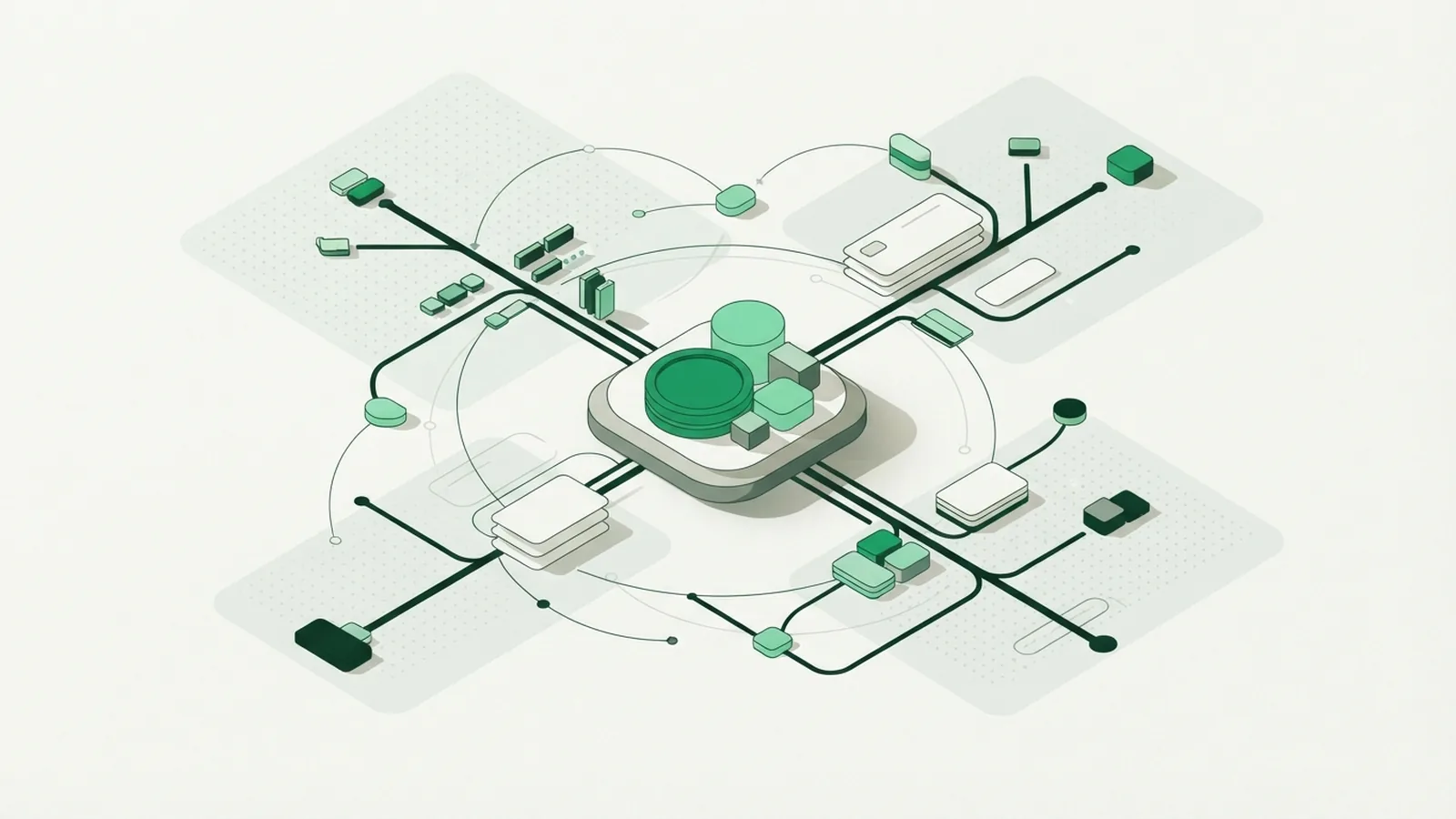
What is epayment? It is the transfer of funds through digital channels. It removes the need for cash or paper checks.
The epayment meaning covers many forms of digital payment. It includes cards, bank transfers, digital wallets, and peer-to-peer apps.
So, what is an epayment in plain terms? It lets one party send money to another through an electronic system. A shopper may pay a store online. A firm may pay a supplier through its bank.
The phrase what is a epayment appears in some search queries. The answer stays the same. An epayment moves money without a cash handoff or paper check.
An epayment definition can also include in-store payments. A phone or contactless card can start the same digital process. The payment may look different, but the core action remains electronic.
- Payment details move through banks, apps, or payment tools
- The payer receives a digital record of the payment
- The seller gets funds after checks and settlement finish
- Businesses can link payments with orders and account records
Epayments support shopping, bills, wages, subscriptions, and invoices. The method may change. The goal stays the same.
How Epayments Work From Start to Finish
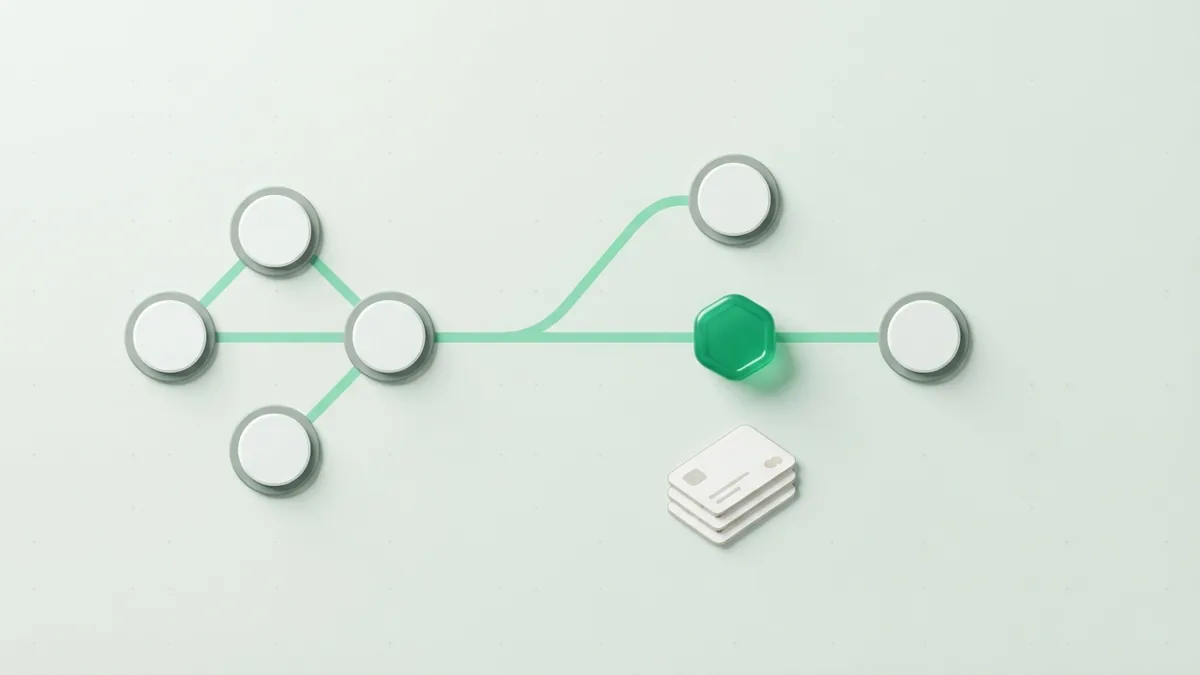
Most epayments follow five main phases. Each phase helps move funds from the payer to the payee.
- Initiation: The payer enters details or taps a device.
- Authorization: The bank checks the request and approves or rejects it.
- Processing: Payment tools route the request to the right bank or network.
- Settlement: Banks move funds between their accounts.
- Confirmation: Both sides receive a success or failure notice.
A payment gateway often starts this flow for an online shop. It sends payment data to the bank or card network in a safe format.
Approval can take seconds. Settlement may take longer. The time depends on the payment method and bank rules.
For example, a card payment may show approval at checkout. The shop may receive the funds later. The card network must first settle the payment.
ACH means automated clearing house. ACH payments move funds between bank accounts. These payments often settle in batches instead of at once.
Timing matters for cash planning. A payment marked as approved may not equal cleared funds. Businesses should track both states.
Common Epayment Methods
Several epayment methods serve different needs. Speed, cost, reach, and buyer habits affect the best choice.
| Method | How it works | Common use |
|---|---|---|
| Card payment | A card network checks and routes the payment | Retail sales and online orders |
| ACH transfer | A bank account sends funds through the ACH network | Payroll, bills, and supplier payments |
| Digital wallet | An app stores payment details for quick checkout | Online shopping and mobile payments |
| Peer-to-peer app | One user sends funds to another user | Personal payments and shared costs |
| Contactless payment | A device sends payment data over a short range | Fast in-store checkout |
Card payments remain common because most shops already accept them. They work well for online and in-store sales.
ACH transfers move money from one bank account to another. They often cost less than card payments. They suit repeat bills and large supplier payments.
Digital wallets, such as PayPal and Apple Pay, store payment details in an app. They can speed up checkout. The seller may not see the full card number.
Peer-to-peer payments help people send funds through an app. Contactless payments use a phone or tap-enabled card at a payment terminal.
Some methods work together. A digital wallet may use a linked card or bank account behind the scenes.
Benefits of Epayments for Businesses and Customers
The main benefit is speed. A digital payment can move from checkout to approval within seconds. Buyers spend less time waiting.
Epayments also cut many handling costs. Businesses spend less on cash storage, check printing, postage, and manual entry.
Better cash flow is another gain. A business can see incoming funds sooner. It can then plan stock orders, wages, and bills with better timing.
- Faster sales: Customers can pay at any time through many channels
- Lower costs: Digital records reduce paper use and manual entry
- Clear records: Each payment creates a time-stamped record
- Better cash flow: Firms can track money due and money received
- Less fraud risk: Digital checks can flag unusual payment behavior
- Easy reach: Online sellers can serve buyers across many regions
Epayments can also automate accounts payable. A firm can route an approved invoice for payment. The system can record the result without repeated data entry.
Customers gain more choice at checkout. They can pick a card, bank transfer, wallet, or app. This choice can reduce abandoned orders.
Each method still has trade-offs. Fees, refund rules, payment limits, and settlement times can differ.
Security in Epayment Systems
Security protects payment data at each stage. Strong systems use encryption, fraud checks, access controls, and clear audit records.
Encryption changes data into a form that outsiders cannot easily read. Fraud tools look for odd patterns. These patterns may include a new device, high value, or many failed attempts.
Businesses should limit staff access to payment data. They should also keep software up to date. Staff need clear steps for handling refunds and payment disputes.
- Use trusted payment tools with strong security controls
- Turn on multi-step sign-in for payment accounts
- Review failed payments and unusual account activity
- Keep only the payment data the business truly needs
- Train staff to spot fake payment requests
PCI DSS sets security rules for businesses that handle card data. The PCI Security Standards Council's PCI DSS overview explains the card data rules and their scope.
Privacy rules may also apply. GDPR can affect firms that handle data linked to people in the European Union. The European Commission's data protection guidance outlines the main GDPR framework.
No payment method removes every risk. Good controls lower risk. Fast alerts help teams act before losses grow.
The Future of Epayments
Epayments will likely become more joined up. Shops, banks, wallets, and business tools can share payment updates with less delay.
Account-to-account payments may grow in more markets. These payments can reduce reliance on cards for some purchases. They may also offer new ways to manage repeat bills.
Mobile checkout will keep shaping buyer habits. Contactless payments already make small in-store purchases quick. New tools may add better checks without adding more steps.
Businesses will need to balance speed with trust. A fast payment still needs clear fees, strong privacy, and easy dispute handling.
- More checkout choices across web and mobile channels
- Faster updates about approval and settlement
- Smarter tools for spotting unusual payments
- More links between payment data and business records
The best system will depend on the business model. A shop may favor cards and wallets. A supplier may favor ACH. A firm should match each method to cost, speed, risk, and customer need.
Choosing the Right Epayment Method
Start with the payment needs of your customers. Review where they buy, what devices they use, and which options they trust.
Next, compare the full cost. Include processing fees, refund costs, setup work, and account fees. A low headline fee may not mean a low total cost.
Check the payment flow before launch. Test success messages, failed payments, refunds, and delayed settlement. Customers need clear updates at each point.
- List the payment types your customers request most
- Compare fees, limits, settlement times, and refund rules
- Review security and privacy duties for each choice
- Test the full payment flow on web and mobile
- Track approval rates, costs, disputes, and customer feedback
A simple mix often works well. Many firms start with cards, wallets, and bank transfers. They add more choices when demand supports the cost.
In short, the epayment definition is simple. It means moving funds through electronic channels. The right method makes that transfer safe, clear, and useful.
Frequently asked questions
- What is epayment?
- Epayment is the transfer of funds through digital channels. It does not need cash or paper checks.
- What is an epayment method?
- An epayment method is a way to send funds electronically. Examples include cards, ACH transfers, digital wallets, peer-to-peer apps, and contactless payments.
- What is the meaning of epayment?
- The epayment meaning is a digital transfer between a payer and a payee. Banks, payment networks, and apps can support the transfer.
- How does an epayment work?
- The payer starts the payment, then a bank or payment network checks and routes it. The funds settle, and both sides receive a result.
- Are epayments safe?
- Epayments can be safe when firms use encryption, fraud checks, access controls, and secure payment tools. Businesses must also follow the rules that apply to their payment data.
Related reading
What Is Flutterwave? How Its Payment Tools Work
Learn how Flutterwave helps businesses take and manage digital payments.
What Is Credit Card 3D Secure?
See how 3D Secure verifies cardholders and can protect online payments.
What Is a Payment Flow? How Card Payments Move
See how card payments move from checkout to approval, and what makes a flow work well.