What Is Credit Card 3D Secure?
See how 3D Secure verifies cardholders and can protect online payments.
What Is Credit Card 3D Secure?
Credit card 3D Secure is a way to check that the person paying online has the right to use the card. It adds an authentication step to some online payments. The card issuer, merchant, and shopper all take part. The check helps reduce card fraud without changing how a card works in shops.
You may see the name shortened to 3DS. It can apply to credit cards, debit cards, and some prepaid cards. A credit card with 3D Secure does not need a separate type of card. The card issuer and payment service must support the feature, and the merchant must use it.
3DS does not mean every payment requires a password. The system can assess details about the payment and the shopper. A low-risk payment may pass without a visible step. A higher-risk payment may ask the cardholder to confirm their identity.
- Issuer: The bank or card firm that issued the card.
- Merchant: The business taking payment online.
- Cardholder: The person who owns or uses the card.
The name refers to three parties in the payment check. For a shopper, it often appears as a bank approval screen, a code request, or a prompt in a banking app.
How Does 3D Secure Work?
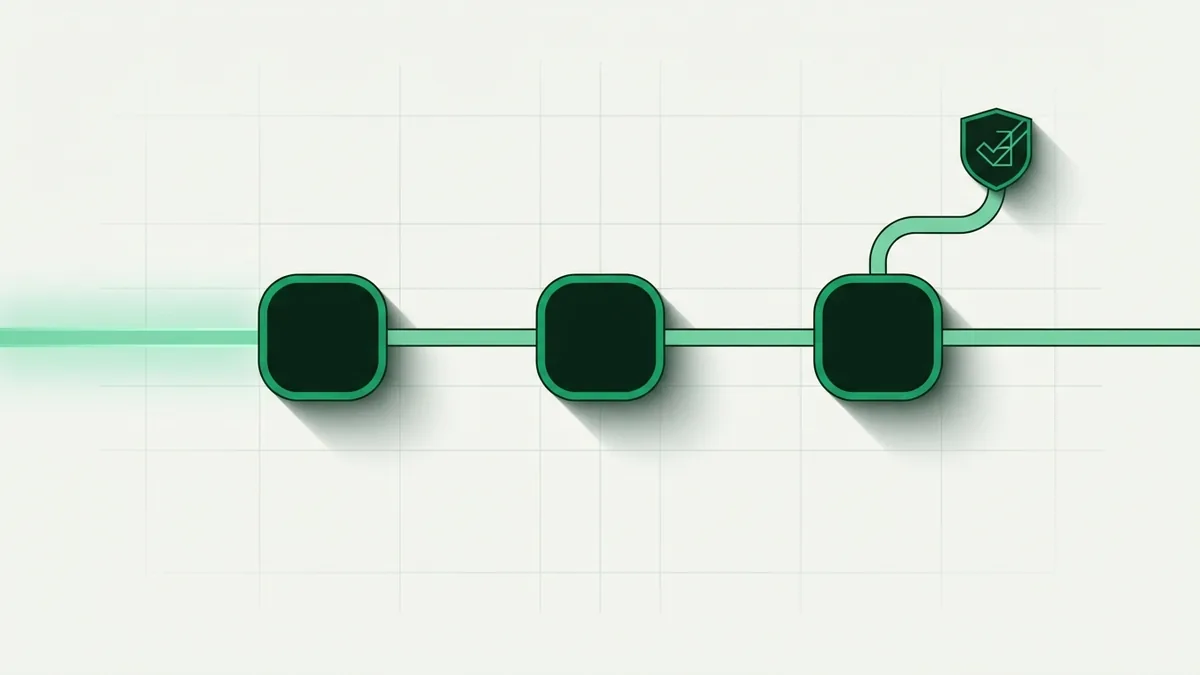
At checkout, the merchant sends payment details through its payment service. That service asks the card network and issuer to check the payment. The issuer then decides whether it has enough data to approve the cardholder without more input. This check runs in the background.
If the issuer needs more proof, it starts a challenge. The shopper may enter a one-time code sent by SMS, approve a request in a banking app, or use a fingerprint or face scan. Some banks may use a password or another sign-in step. The issuer returns the result to the payment flow.
If the check passes, the payment can continue to approval. If it fails, the payment may be declined or the shopper may need to try again. A successful 3D Secure validation does not guarantee that the issuer will approve the payment. The issuer still checks funds, card status, and other risks.
3D Secure 2.0 brought more data sharing and support for app-based checks. It can help issuers approve more low-risk payments without interrupting checkout. The experience varies by bank, device, and payment service. The EMVCo overview of 3D Secure explains the protocol and its role in card payments.
Benefits of 3D Secure
The main benefit is an added check against card-not-present fraud. These are payments made when the card is not physically present, such as online orders. A code or app approval can make it harder for someone with stolen card details to pay. It also gives the issuer a chance to spot unusual activity.
3DS can reduce some merchant losses from chargebacks. A chargeback happens when a cardholder disputes a payment through their issuer. Under card network rules, a successful 3DS check can shift liability for some fraud disputes from the merchant to the issuer. This shift has limits. It does not cover every dispute, payment type, or failed check.
For shoppers, newer 3DS flows can make checkout less disruptive. Many payments are checked in the background, so the shopper may not see an extra prompt. When a check is needed, app approval or biometrics can be simpler than recalling a password. That can help protect both credit and debit card payments.
- It adds a way to confirm the cardholder during online payment.
- It can help block some stolen-card payments.
- It may shift liability for eligible fraud disputes.
- Risk-based checks can let some payments proceed without a challenge.
These gains depend on good setup. Merchants should test payment flows on phones and computers. They should also review failed payments and customer complaints, since a tough challenge can lead shoppers to abandon checkout.
Drawbacks and Checkout Risks
An extra check can slow down a purchase. A shopper may not have their phone nearby, may not receive an SMS, or may have trouble using an app. A failed prompt can block a genuine payment. These issues matter most when the shopper is in a hurry or has weak mobile access.
Older 3DS flows could send shoppers to a separate page or use a poor mobile layout. The 2.x versions aim to support smoother checks, but the result still depends on the issuer and payment setup. Merchants cannot control every bank screen. They can, however, make the steps clear before the shopper reaches the final payment stage.
3DS can also leave gaps. A passed check does not prove that an order is safe, nor does it stop every kind of fraud. It may not protect a merchant from disputes about delivery, product quality, or a service the customer says they did not receive. Merchants still need sound order checks and clear refund terms.
Shoppers can check whether a card supports 3DS by asking the issuer or looking in its app and help pages. They can also try a small online purchase from a trusted shop. A card may be supported even if no challenge appears, since many checks happen quietly in the background.
Rules, SCA, and Liability
In the European Economic Area, Strong Customer Authentication (SCA) rules cover many online card payments. SCA calls for two different kinds of proof, such as something the customer knows and something they have. A card issuer may use 3DS to meet the rules for a card payment. Not every payment needs a challenge, because some exemptions can apply.
Merchants should not assume that turning on 3DS makes every payment compliant. The issuer and payment service must handle the check in the right way. Some payment types may fall outside the rule, and some may qualify for an exemption. The European Commission's SCA information outlines the rule for payment services in the EU.
Liability shift is a separate point from SCA. Card network rules set when a merchant can move liability for certain fraud claims to the issuer. The outcome can depend on the card, region, transaction, and whether the check succeeded. Merchants should confirm current terms with their payment provider and card network.
For a small online shop, the practical task is to check that its payment provider supports 3DS and applies it when needed. Keep records of payment results and review disputes. Ask the provider how exemptions, failed challenges, and liability shift work for the shop's sales regions.
The Future of 3D Secure
3DS continues to move toward checks that use more payment context and interrupt fewer shoppers. Newer 2.x releases support richer data and more ways to approve a payment. Issuers can use those details to judge risk, then ask for extra proof only when needed. This can balance fraud checks with a quick checkout.
More shoppers also use banking apps and biometric sign-in. These tools can replace a code sent by text, though they still depend on the issuer's setup. Merchants should expect different flows across banks and markets. A checkout that works well on one card may behave differently with another.
For merchants, the best next step is to track both fraud and checkout success. Watch how often shoppers face a challenge, how often they pass, and where they leave the payment flow. These measures can show whether the setup protects sales or creates too much friction. Review them after changes to the payment service or customer mix.
3D Secure is not a full fraud plan. It is one useful layer in online payment security. When it is set up well, it can verify cardholders, lower some fraud risk, and support payment rules without adding a hurdle to every purchase.
Frequently asked questions
- What is credit card 3D Secure?
- It is a way for a card issuer to check the cardholder during an online payment. The check may run in the background or ask for extra proof.
- Does my credit card have 3D Secure?
- Ask your card issuer or check its app and help pages. A supported card may pass the check in the background, so you might not see a prompt.
- How does 3D Secure authentication work?
- The issuer reviews payment details and decides whether it needs more proof. It may ask you to approve an app request, enter a code, or use biometrics.
- Is 3D Secure required for online payments?
- It is used for many online card payments, and SCA rules cover many payments in the European Economic Area. Exemptions and local rules can affect when a challenge is needed.
- Can 3D Secure stop chargebacks?
- It can help reduce some card fraud and may shift liability for eligible fraud disputes. It does not prevent every dispute or cover claims about delivery or product quality.
- Does 3D Secure work with debit and prepaid cards?
- It can work with supported debit and prepaid cards as well as credit cards. The issuer and payment service must support the feature.
Related reading
What Is Flutterwave? How Its Payment Tools Work
Learn how Flutterwave helps businesses take and manage digital payments.
What Is a Payment Flow? How Card Payments Move
See how card payments move from checkout to approval, and what makes a flow work well.
What Are BIC and IBAN Numbers?
Learn how BIC and IBAN work together to route international bank payments.