What Is a 3D Secure Card? Security for Online Payments
A 3D secure card adds extra checks for online payments to reduce fraud.

A 3D secure card adds extra checks for online card buys. During a 3D Secure card payment, the issuer checks who you are. Then it lets the charge proceed if the check passes.
If you ask, “what is 3D secure card,” the answer is simple. It is a safety layer for card-not-present payments. These are buys where the card is not in a shop face-to-face.
3D Secure also helps cut fraud and lowers charge disputes. It can shift fraud risk to the issuer after a good login. Keep reading for how 3D secure technology works and where it can fail.
What is a 3D secure card?
A 3D secure card is a card that works with 3D Secure rules. Those rules add a step to prove the cardholder. That proof happens before the final payment approval.
Visa first built 3D Secure. Later, banks and networks made it a wide global norm. Many issuers now use it for payment security on the web.
The “3D” part points to three groups that take part. They are the merchant side, the issuer side, and an interop side. This split helps different systems talk to each other.
- Merchant side: the store and its checkout page.
- Issuer side: the bank that issued your card.
- Interop side: the bridge that moves data between them.

How does a 3D Secure payment work?
3D secure card payments start at the checkout. The buyer enters card details online. Then the checkout asks if the card is part of 3D Secure.
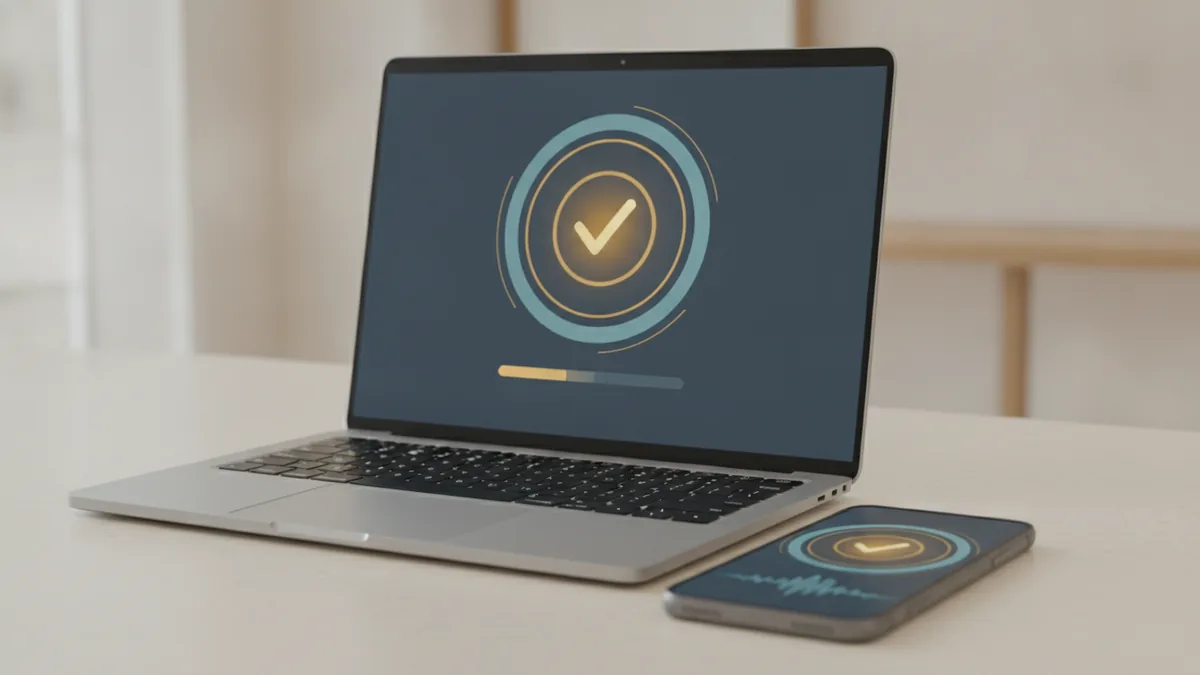
If the card is enrolled, the flow asks for more proof. That proof is “cardholder auth.” It may use a passcode, a bank app, or a face scan. The aim is simple. Fraudsters should not pass as you.
Next, the issuer sends a result back to the checkout. A match means the charge can continue. A fail means the payment is blocked or delayed.
- Buyer submits card: the checkout takes your card details.
- Enrollment check: the network checks if 3D Secure applies.
- Auth step: you confirm with a code or app step.
- Result returns: the system sends pass or fail.
- Final approval: the issuer decides to authorize the buy.
This is why 3D secure card validation matters. It checks identity, not just card data. Card data can leak. A second check lowers the odds of fraud.
Benefits of using 3D Secure
First, it boosts payment security for online buys. It adds proof before approval. That helps stop card-not-present fraud.
Second, it can bring a liability shift. This means fraud loss may move to the issuer after success. It applies when the issuer marks the auth as good. This is a big deal for merchants.
Third, it can help with chargebacks. If auth passed, you have proof of a real login. Issuers can back that proof with their records. That can make disputes easier to sort out.
Fourth, the flow can be light for real buyers. Many cases do not need a hard popup each time. The system may skip the challenge for low risk.
| Benefit | What it means |
|---|---|
| Less fraud | More identity checks before approval |
| Liability shift | Issuer may bear fraud risk after good auth |
| Less dispute pain | Better proof for card-not-present claims |
| Better trust | Clear verification steps that feel safer |
Still, it is not a solo fix. Merchants must also use their own risk checks. 3D Secure just adds a strong auth layer.
3D Secure 2.0: what changed and why it matters
3D Secure 2.0 aims to cut user pain. It uses smarter ways to pick when you must act. That can reduce cart drops during checkout.
It also adds more detail for risk work. During 3D secure card validation, it can use more than 100 data points. Those points help spot fraud risk with more context.
So the system can ask for a step-up check only when needed. Low risk buys may pass without a hard challenge. Higher risk buys trigger more proof from the buyer.
Biometric auth can also play a role. Some issuers use a bank app with face or finger checks. This can feel fast and easy for users.
- Risk-based choice: fewer prompts for low risk buys.
- More signals: better fraud checks than older flows.
- More auth modes: code, app, or biometrics.
- UX focus: fewer stops can boost checkout success.

Challenges and limitations of 3D Secure
Even with good goals, 3D Secure can add friction. If you must do a step too often, some users quit. That is why 2.0 uses risk-based auth to reduce repeats.
Issuer rules can also vary. One bank may ask often. Another bank may allow more smooth pass flows. That means the same buyer can see different steps on different cards.
Merchants face setup work too. They must wire the 3D Secure flow in the right way. They must also handle auth results in the checkout code. Wrong setup can cause false fails.
Last, it does not block all fraud types. It mostly targets card-not-present identity checks. Other fraud, like account takeover, still needs other defenses.
| Limit | Real impact |
|---|---|
| Checkout friction risk | More steps can lower conversion |
| Issuer differences | Flow steps vary by bank and region |
| Integration effort | Bad wiring can break auth results |
| Not a full shield | Other fraud needs extra controls |
Future of 3D Secure technology
3D Secure tech will keep moving toward less disruption. More flows will aim for smooth logins. They will only challenge when risk looks high.
Device signals will likely matter more over time. Issuers may also add new auth paths. Biometric checks can grow as apps and devices improve.
For merchants, the key is balance. Use 3D Secure with good checkout design and risk work. Tune it with real data from your own flows.
Plan for phased rollouts too. Watch auth rates, challenge rates, and fail rates after each change. Then adjust your checkout and rules.
If you want protocol basics, you can start with official docs. For example, Visa provides a developer overview of the payment flow at Visa developer documentation. For web UI patterns in step-up flows, you can use W3C ARIA guidance to keep user steps clear.
Frequently asked questions
- What is a 3D secure card?
- A 3D secure card supports an added auth step for online payments. It helps the issuer check the cardholder before approval.
- How do 3D secure card payments work step by step?
- The checkout checks if the card is enrolled. If it is, the issuer asks for an auth step. The result then flows back to finish the authorization.
- What is 3D secure card validation?
- It is the issuer’s check of the cardholder during 3D Secure. The validation result helps decide if the buy should be approved.
- What are the benefits of using 3D Secure for merchants?
- It improves payment security for card-not-present buys. It can also support a liability shift after successful auth.
- What is 3D Secure 2.0 and why does it reduce friction?
- It uses risk checks to decide when to ask for an auth step. Low risk buys can pass without extra prompts.
- Does 3D Secure stop all online fraud?
- No. It mainly targets card-not-present identity checks. Other fraud types still need extra tools and controls.
Related reading

What Is Mastercard and How Does Its Payment Network Work?
Mastercard links banks, merchants, and shoppers through a global payment network.

What Is a Merchant? A Clear Guide to Trade and Payments
A clear guide to merchants, trade, online sales, and payment IDs.
Payment Details Meaning: What They Are, Why They Matter, and Examples
Payment details meaning explained with clear examples and ACH guidance.