What Are BIC and IBAN Numbers?
Learn how BIC and IBAN work together to route international bank payments.

Understanding IBAN and BIC
An IBAN and a BIC are two different bank details used for payments. An IBAN identifies a bank account in a set format. A BIC identifies a bank, and sometimes a branch.
IBAN stands for International Bank Account Number. Banks use it to identify accounts, especially for international transactions. BIC stands for Bank Identifier Code. It is also known as a SWIFT code.
So, what is an IBAN and BIC? They are separate codes that can help route money to the right bank account. The IBAN points to the account. The BIC points to the bank that holds it.
People often see both details on a payment form and ask, “Is BIC and IBAN the same?” No. If a form asks for both, enter each code in its own field. The phrase “IBAN and BIC code” means two details, not one combined code.
- IBAN: identifies a bank account in a standard format.
- BIC: identifies a bank or branch.
- SWIFT code: another common name for a BIC.
What Does BIC Mean in Banking?
The BIC full form is Bank Identifier Code. Its bic banking meaning is simple: it helps identify a bank in payment messages. A BIC does not identify your personal account.
A BIC has eight or eleven letters and numbers. Its first four characters identify the bank. The next two show the country. Two more show the location. An optional final set of three characters can identify a branch.
What is BIC in banking? It is a bank code used to help route some payments. A BIC number for a bank does not show who owns an account or how much money it holds. The IBAN supplies the account details.
Some payment forms say “SWIFT” instead of “BIC.” In most cases, they ask for the same code. BICs use a shared format recognized by banks around the world. Still, not every country or payment type uses one.
A bank’s own instructions matter. A form may need a BIC, an IBAN, or both. Check the payment rules before sending money.
How BIC Works with IBAN
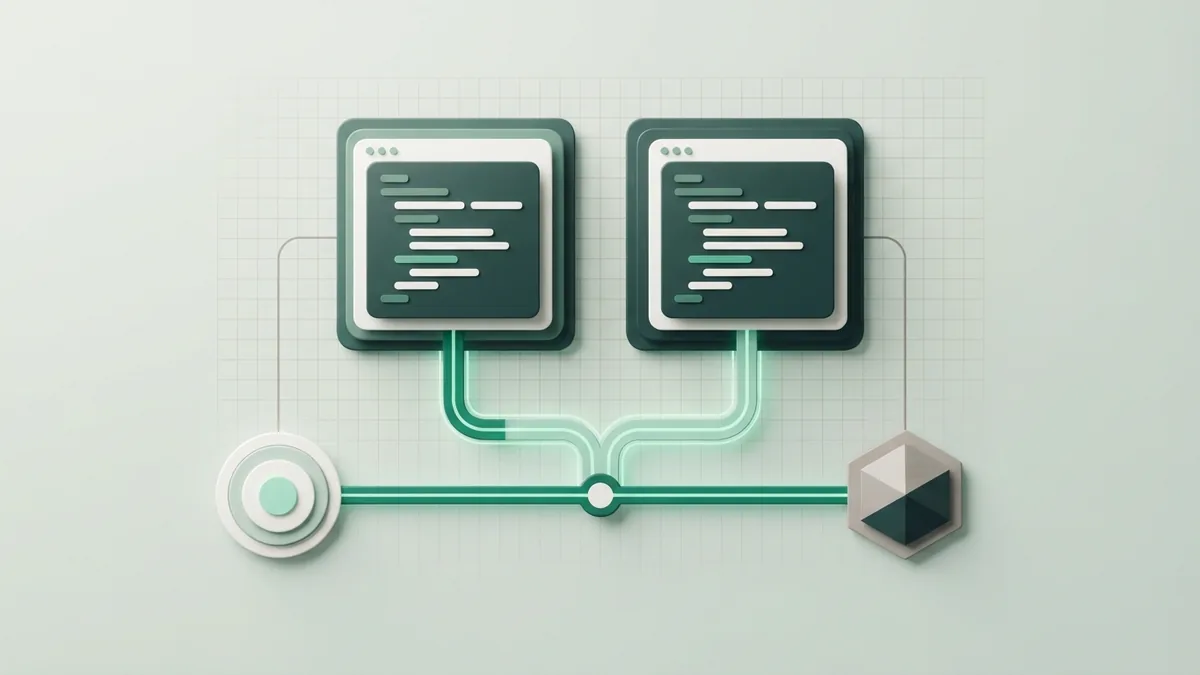
Think of the IBAN as the account destination and the BIC as the bank address. A sending bank uses the account details to find where funds should go. It may also use the BIC to route the payment.
An IBAN starts with a country code and check digits. The rest follows that country’s bank account format. It can include bank and account details. An IBAN can have up to 34 characters, but its length varies by country.
Is the BIC in IBAN? Usually, no. Some IBAN formats include a bank identifier, but that part is not the BIC. The codes work together without becoming one code.
People asking for a “BIC for IBAN” usually need the bank code linked to an account. A bank may work out routing details from the IBAN. Another bank may still ask for both details. There is no single “IBAN BIC number” that replaces both.
| Detail | IBAN | BIC |
|---|---|---|
| Full name | International Bank Account Number | Bank Identifier Code |
| Identifies | A bank account | A bank or branch |
| Other name | IBAN | SWIFT code |
| Payment role | Points to the account | Helps identify the bank |
Why BIC Matters for International Payments
A BIC can help route a cross-border payment to the right bank. When used with a valid IBAN, it helps link the bank and account details. Correct details can lower the risk of errors and delays.
Some international transfers require a BIC to route funds. The exact need depends on the sending bank, receiving bank, and payment path. Not every country uses BIC in the same way. Some local payment systems use other bank details, while some banks can route a transfer with an IBAN alone.
A wrong IBAN or BIC can cause a payment to fail, return, or arrive late. Your bank may charge a fee to trace or return funds. Exchange rates can also shift before a returned payment reaches you.
For the formal code standard, see SWIFT’s BIC standard. SWIFT sets and maintains the business identifier code standard used by financial firms.
Check every detail before you send money. Use the recipient’s bank record or confirm the codes through a trusted channel. Never guess a BIC from an IBAN.
- Check each character in the IBAN and BIC.
- Make sure the bank and country match the recipient’s details.
- Ask your bank if a field is unclear or optional.
- Keep the payment receipt until the money arrives.
IBAN vs BIC: The Main Differences
The key difference between IBAN and BIC is what each code identifies. An IBAN identifies an account. A BIC identifies the bank that holds it. That is why a payment form may ask for both.
When people search “bic vs iban,” they often want to know which number to enter. Neither code replaces the other. If the form asks for an IBAN, enter the recipient’s account code. If it asks for a BIC or SWIFT code, enter the bank’s code.
The phrase “bic and iban number” can sound like one combined number. In fact, an IBAN and a BIC are separate codes, and a BIC may include letters as well as numbers. “IBAN and BIC numbers” is a common informal phrase for both bank details.
What does IBAN and BIC mean on a transfer form? It means the bank may need an account identifier and a bank identifier. “IBAN BIC,” “IBAN i BIC,” and “BIC with IBAN” can all appear as shorthand for the two details. They do not name one code.
Using BIC with an IBAN
Start with the exact details supplied by the recipient’s bank. Copy the IBAN and BIC as shown, including letters and numbers. Some forms accept spaces in an IBAN, while others remove them for you.
Check that the BIC matches the bank named by the recipient. An eight-character BIC may identify the bank or office. An eleven-character BIC can include a branch code. Do not add a branch code unless the bank provides one or the form asks for it.
If the payment form asks only for an IBAN, do not add a BIC in another field. If it requests a BIC, use the code from a trusted bank source. Ask your own bank if you are unsure whether the field is needed.
Never rely on a code found through an unverified message. A small typing error can send funds to the wrong place or delay the transfer. Take a moment to check before you approve the payment.
Conclusion: Why Both Codes Matter
IBAN and BIC serve different roles in banking. The IBAN points to the account, while the BIC identifies the bank. Together, they can help banks process international payments with fewer routing errors.
Are IBAN and BIC the same? No. They are separate details, and whether a transfer needs one or both depends on the banks and payment route. Follow the form’s instructions and use codes confirmed by the recipient’s bank.
Frequently asked questions
- What is the difference between an IBAN and a BIC?
- An IBAN identifies a bank account in a set format. A BIC identifies the bank or branch that holds the account.
- Is a BIC the same as an IBAN?
- No. They are separate codes with different jobs. A payment form may ask for one or both.
- What does BIC stand for in banking?
- BIC stands for Bank Identifier Code. It is also known as a SWIFT code and helps identify a bank in payment messages.
- Is the BIC included in the IBAN?
- Usually, no. Some IBAN formats include a bank identifier, but that part is not the BIC.
- Do I need a BIC for an international transfer?
- Some international transfers require a BIC, while others can use an IBAN alone. Follow the instructions from your bank.
- How can I find the BIC linked to an IBAN?
- Ask the recipient’s bank or check a trusted bank record. Do not guess a BIC from the IBAN.
Related reading

What Is Flutterwave? How Its Payment Tools Work
Learn how Flutterwave helps businesses take and manage digital payments.

What Is Credit Card 3D Secure?
See how 3D Secure verifies cardholders and can protect online payments.

What Is a Payment Flow? How Card Payments Move
See how card payments move from checkout to approval, and what makes a flow work well.