Stripe Payments (Pricing, Features, and Security)
Learn what Stripe does, how it works, what it costs, and who should use it.

What Is Stripe?
What is Stripe? Stripe is a financial services and software company. It helps online firms accept, manage, and send payments.
Stripe payment processing supports cards, bank payments, wallets, and local methods. It serves online firms, platforms, and stores with in-person sales.
John and Patrick Collison founded Stripe in 2009. The company now serves firms of many sizes across global markets.
Stripe is more than a card form. Its tools shape the full customer payment experience. Firms can use hosted tools or build custom flows.
What is a payment? It is a transfer of money for a product or service. What is an e payment? It is that transfer through an electronic channel.
Payment technology links checkout pages, banks, card networks, and business tools. Stripe brings many of these steps into one platform.
- Accept payments on websites, apps, and physical sites
- Send refunds, payouts, and invoices
- Run billing for plans and memberships
- Review payment data and fraud signals
- Connect payments with other business tools
How Stripe Payment Processing Works
So, how does Stripe work? A business adds Stripe to its site, app, or store.
It can use hosted checkout, payment links, or an API. An API lets software tools share data through set rules.
When a customer pays, Stripe sends the payment data to the right network. That network asks the bank or card issuer to approve the payment.
Stripe then sends the result back to the business. If approved, the funds enter the firm’s Stripe balance before payout.
The full path can seem complex. Stripe hides much of that work behind its tools and APIs.
- The buyer picks a payment method.
- Stripe checks and protects the payment details.
- The bank or card network approves or rejects the payment.
- Stripe reports the result to the business.
- Stripe sends the balance to the linked bank account.
A payment identifier links one payment to an order or invoice. This helps staff find refunds, disputes, and failed payments.
What are merchants? Merchants are firms that sell goods or services and accept payments. Stripe gives merchants tools for both online and in-person sales.
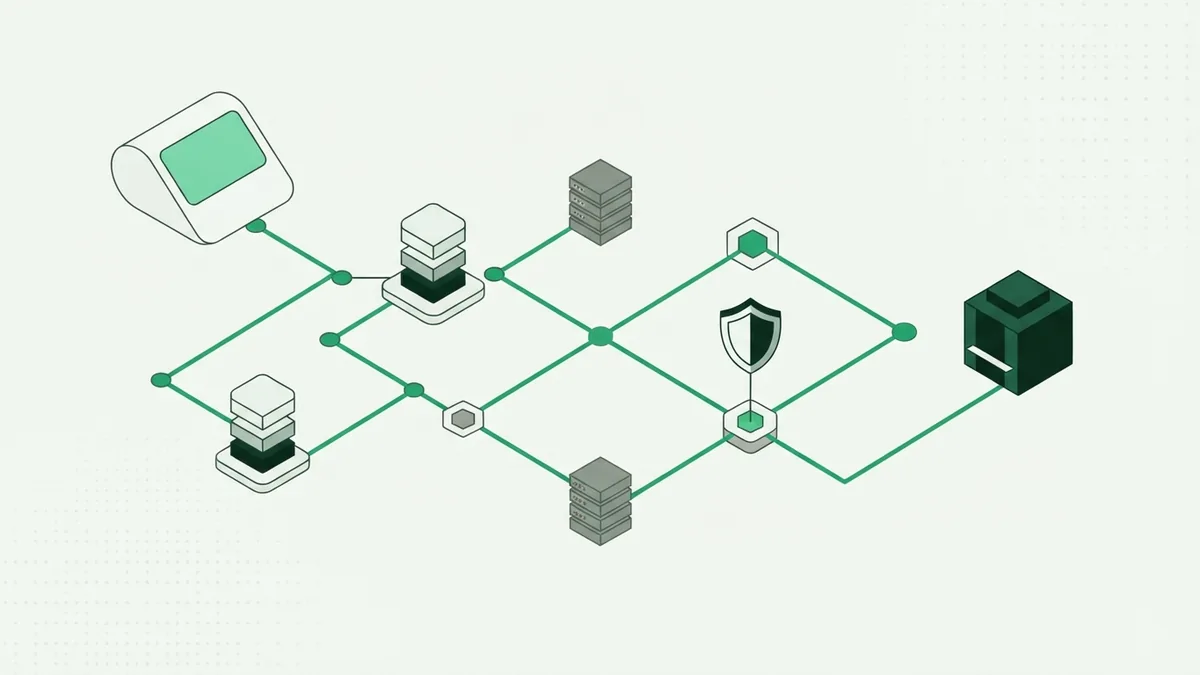
Stripe Features and Services
Stripe features cover checkout, billing, reporting, and money movement. Firms can use only the tools that fit their needs.
Online and global payments
Stripe supports more than 135 currencies. Payment methods include cards, ACH, Alipay, and many local choices.
What is Alipay? It is a large digital wallet from China. It helps firms reach buyers who prefer that payment method.
What is Pix? It is Brazil’s instant payment system. Stripe supports Pix in selected markets and account setups.
Local methods can help sales when shoppers trust them. Support depends on the firm’s country, currency, and Stripe account.
Billing and recurring payments
Stripe Billing lets firms charge customers on a set schedule. This suits software plans, memberships, and other recurring services.
Firms can set trials, discounts, invoices, and failed payment retries. They can also change plans without coding each rule by hand.
What is MIT in billing? It means a merchant-initiated transaction. The merchant starts a later payment after the customer gives an earlier mandate.
Developer tools and money movement
Developers can build custom payment steps with Stripe APIs. They can control checkout, refunds, saved methods, and account flows.
Stripe Checkout offers a fast path to launch. Custom API work offers more control but needs more testing.
Stripe Connect helps platforms move funds between sellers and buyers. Stripe Radar helps spot risky payments before they cause losses.
Token provision and stored data
What is token provision? It is the act of making a safe token for a payment method.
The token can stand in for a card number. This lets a business charge a saved method without storing the raw number.
Token use can lower data risk. Firms still need strong access rules and safe software.

Stripe Security and Payment Compliance
Stripe treats payment security as a core part of its platform. It uses encryption to protect payment data as it moves.
Stripe also holds PCI Level 1 service provider status. PCI DSS is a card security standard used across the payment industry.
You can review the PCI Security Standards Council’s PCI DSS overview for the wider rule set.
Hosted checkout can reduce card data that reaches a firm’s servers. Stripe’s token tools can reduce exposure further.
Security still depends on the business setup. Firms must protect staff accounts, software keys, and customer data.
- Use strong sign-in rules for every team member
- Keep secret API keys out of public code
- Limit access to payment and refund tools
- Review failed payments and fraud alerts
- Test webhooks before sending them to live systems
Stripe Pricing and Fees
Stripe pricing often follows a pay-as-you-go model. The common United States card rate is about 2.9% plus 30 cents per successful payment.
Rates can vary by card type, country, payment method, and product. Cross-border payments may add other fees.
There is often no monthly fee for basic payment acceptance. Extra products may have separate costs.
Check Stripe’s pricing details before you set a budget. Prices and local rules can change.
| Cost area | What to check |
|---|---|
| Card payments | Base rate, fixed fee, and card type |
| International payments | Cross-border and currency conversion fees |
| Billing tools | Recurring charges and invoice features |
| Platform tools | Connect fees, payouts, and seller needs |
Compare your average order size with the fixed fee. A 30-cent fee has a larger effect on small orders.
Who Uses Stripe?
Stripe suits software firms, online shops, subscription brands, and marketplaces. It also supports charities, creators, and firms that sell around the world.
Its developer tools suit teams that need a custom checkout. Hosted tools suit teams that want to launch with less code.
Stripe may not suit every firm. Some firms need local bank tools, in-person support, or a contract built around large sales volume.
- Choose Stripe for fast online setup and flexible APIs
- Choose hosted checkout when your team has little code time
- Choose custom tools when checkout rules need fine control
- Ask about local support before entering a new market
Payment Terms Worth Knowing
What is a payment processor? It is a service that sends payment data for approval. What are payment processors? They are the firms and tools that help route those payment requests.
A payment acquirer receives card payments for a merchant. The acquirer works with card networks and helps move funds to the merchant.
Payment routing means choosing a path for each payment. A routing rule may weigh cost, speed, location, or approval rates.
Payment settlement is the later movement of approved funds. It differs from approval, which only says the payment may go through.
A payment facilitator lets many firms accept payments through one main account. This can speed setup, but the facilitator still manages checks and risk.
Payment screening checks a payment for fraud or rule risks. Payment analytics then helps a firm study sales, failures, refunds, and disputes.
Stripe Alternatives
Stripe is one option in a broad payment market. The right choice depends on your region, sales model, payment methods, and technical needs.
Adyen supports global firms with one platform for online and in-store sales. Braintree is known for online payments and wallet support.
Worldpay serves firms with broad payment needs. Razorpay focuses on payments and business tools in India.
Mollie serves many European firms. Paysafe offers payment services and prepaid options.
MoonPay and CoinGate focus more on crypto purchases and payments. They are not direct fits for every online shop.
Compare approval rates, payout timing, local methods, support, and total fees. A low headline rate may not mean the lowest real cost.
- List the countries where you sell.
- List the payment methods your buyers expect.
- Estimate fees from your real order sizes.
- Test refunds, disputes, and payout timing.
- Pick the tool your team can run well.
Is Stripe Right for Your Business?
Stripe offers a strong mix of payment tools, developer control, and global reach. It can support a simple store or a large platform.
Its main strengths are flexible APIs, many payment methods, and clear online tools. Its main limits can include fees, local support, and setup work.
Start with your buyers and payment needs. Then test the full flow from checkout to settlement.
A good payment system should cut failed sales and reduce staff work. Stripe can do that when its tools match your business.
Frequently asked questions
- What is Stripe used for?
- Stripe helps businesses accept payments, send payouts, run billing, and manage payment data. It supports online and in-person sales.
- How does Stripe work?
- Stripe sends payment details through the right network for approval. It then reports the result and pays approved funds to the business.
- What is Stripe pricing?
- The common United States card rate is about 2.9% plus 30 cents per successful payment. Rates vary by country, card type, and payment method.
- Is Stripe safe for online payments?
- Stripe uses encryption and holds PCI Level 1 service provider status. Businesses must still protect accounts, keys, and customer data.
- What are the main Stripe alternatives?
- Common options include Adyen, Braintree, Worldpay, Razorpay, Mollie, and Paysafe. The best fit depends on region, payment methods, and sales model.
Related reading

What Is Flutterwave? How Its Payment Tools Work
Learn how Flutterwave helps businesses take and manage digital payments.

What Is Credit Card 3D Secure?
See how 3D Secure verifies cardholders and can protect online payments.

What Is a Payment Flow? How Card Payments Move
See how card payments move from checkout to approval, and what makes a flow work well.