How Do Financial Payments Work?
See how payments move, who makes them work, and what is changing next.
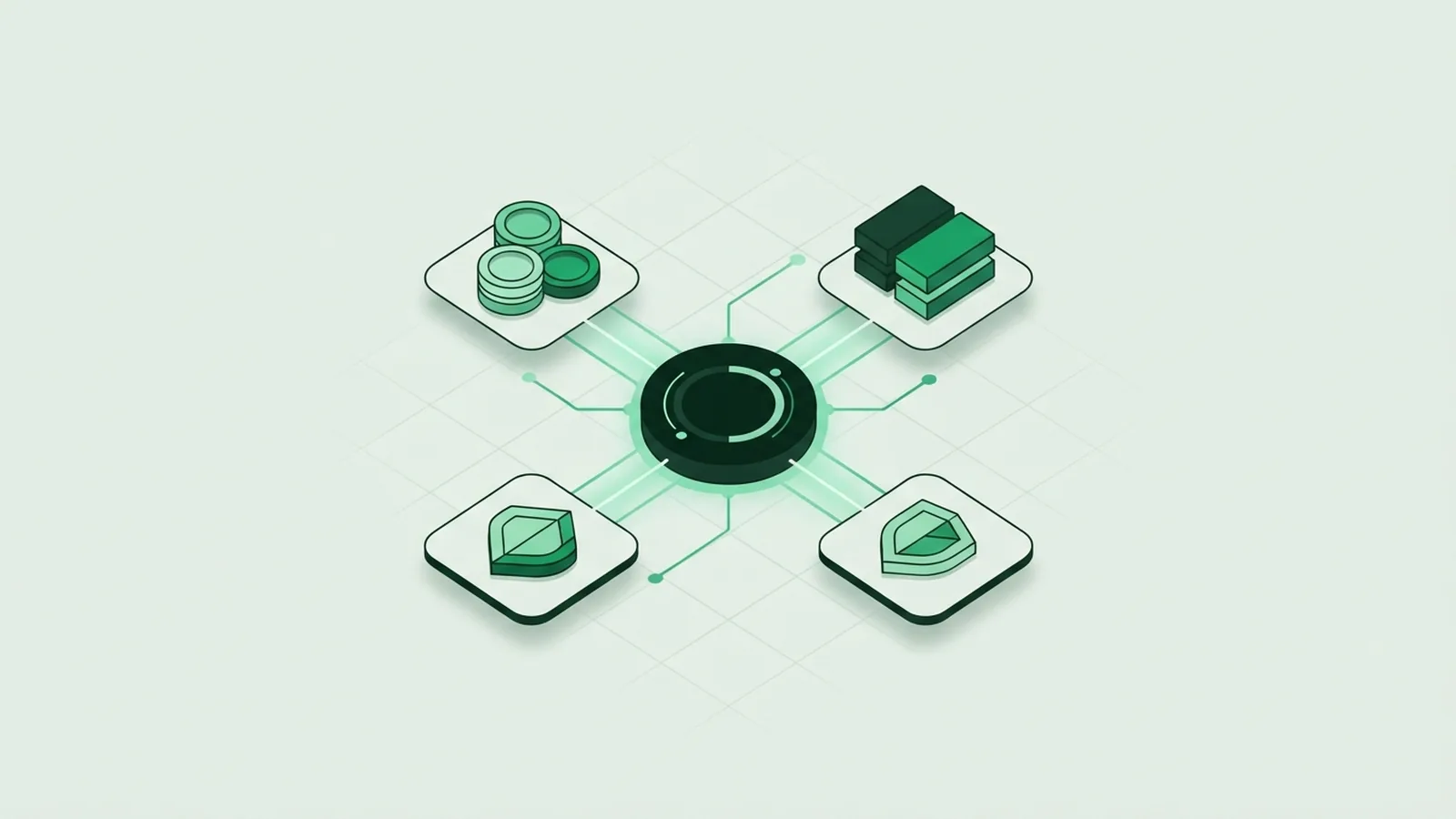
Understanding Financial Payments
Financial payments are the ways people and businesses transfer money to pay for goods, services, or other obligations. They include card purchases, bank transfers, digital wallet payments, and cash withdrawals. Each payment relies on several firms and systems to move funds from payer to recipient. Together, these services keep trade and daily life moving.
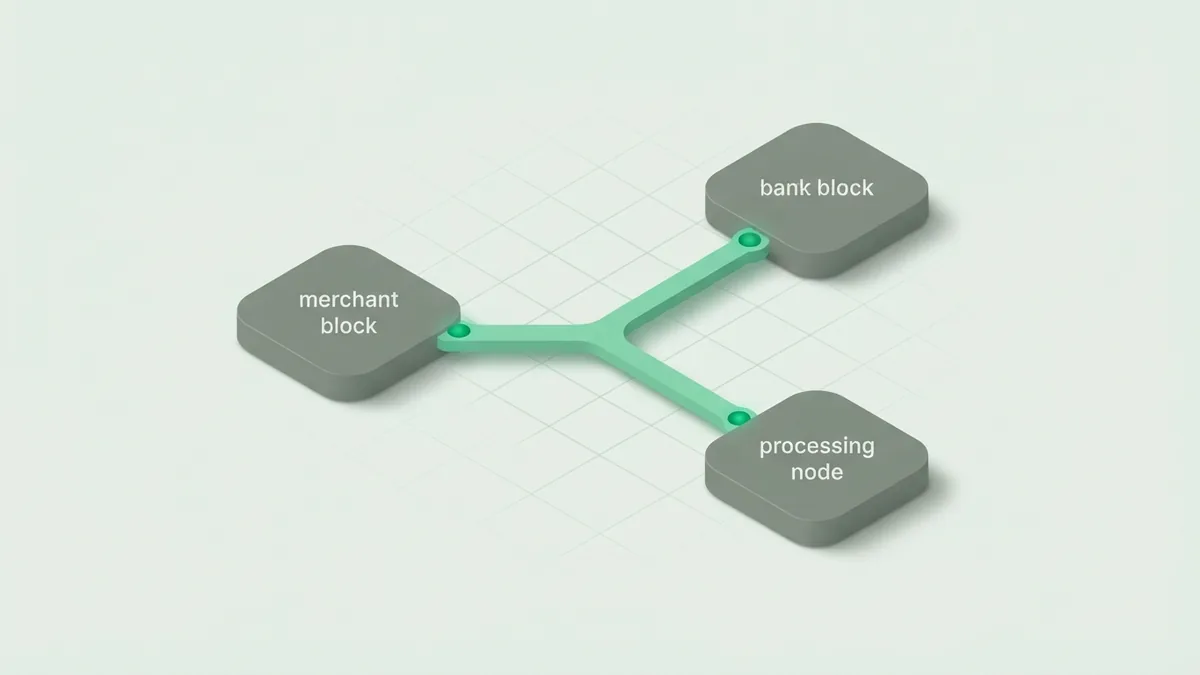
A payment can look instant to a customer, yet several steps happen behind the scenes. The seller sends payment details to a processor, which routes them to the right bank or card network. The payer’s bank checks the account and approves or declines the request. Later, the funds are settled between the firms involved.
The Federal Reserve explains how payment systems support the movement of funds across the economy in its overview of the U.S. payment system. Reliable payments help firms sell, pay staff, and manage cash flow. They also let households shop, send money, and meet bills. When these systems fail, even sound businesses can face delays.
The basic flow is simple: a customer starts a payment, a provider checks it, and funds reach the seller. But speed, cost, and risk vary by payment type. A tap at a shop may be approved in seconds, while a bank transfer can take longer to clear. Knowing the steps helps explain why payment options differ.
Who Makes the Payments Industry Work?
The payments industry is a network, not one company or tool. Banks hold accounts, lend funds, and approve many payments. Processors route payment data between sellers, banks, and payment networks. Fintech firms add services such as online checkout, money transfers, and fraud checks.
Merchants sit at the point where a customer pays. They may use a bank, a processor, or a fintech firm to accept payments. Card networks set rules for card use and help route requests between banks. Each player has a distinct role, though one firm may provide several services.
Here is a simple view of the main roles:
- Banks: Hold customer and business accounts, check funds, and approve or decline payments.
- Processors: Send payment data to the right parties and pass back the approval result.
- Fintech firms: Build payment tools, online checkout services, and new ways to move money.
- Merchants: Choose how to accept payment and manage the customer’s checkout.
- Card networks: Set shared rules and connect the banks that issue and accept cards.
These roles can overlap. A bank may offer processing, while a fintech firm may work with a bank behind the scenes. The merchant still needs clear terms on fees, settlement time, support, and risk. Comparing the full service matters more than looking at one fee alone.
How AI Is Changing Payment Work
Artificial intelligence can help payment firms review large streams of activity quickly. A model can compare a new payment with patterns tied to that account, device, or seller. It may flag an unusual amount or a sudden change in location. Staff can then review the alert or apply a safe block.
Better checks can reduce fraud without slowing every good customer. For example, a small purchase from a known device may pass with little friction. A larger payment from a new device may need a second check. The system can weigh several clues at once.
AI can also help sort support requests and spot faults in payment flows. Teams may use it to group similar errors, find repeat failures, or flag unusual spikes. It can help staff act sooner. It does not replace sound rules or human review.
AI in the payments industry has limits. Poor or old data can lead to unfair declines and missed fraud. Firms need to test models, track errors, and give customers a way to challenge bad decisions. Strong access controls also matter, since payment data is sensitive.

What Is an ISO in Payments?
An ISO is an Independent Sales Organization. It is a firm that helps merchants accept card payments, often by selling payment services from a bank or processor. An ISO may set up a merchant account, supply a terminal, and help with onboarding. It can also offer sales and support services.
ISOs are not the same as banks or processors. A processor routes payment data, while an ISO often connects merchants with a processor or acquiring bank. The exact setup depends on the provider and the contract. Some ISOs also work with payment gateways or point-of-sale tools.
For a merchant, an ISO can make setup easier. It may help choose equipment, explain pricing, and resolve basic service issues. Before signing, check who holds the merchant account and who handles disputes. Ask for all fees, contract terms, and cancellation rules in writing.
That review can prevent surprises. A low quoted rate may not include monthly fees or costs for chargebacks. Ask how funds are paid out and how long support takes to respond. A clear contract is a better sign than a sales promise.
Trends Shaping the Future of Payments
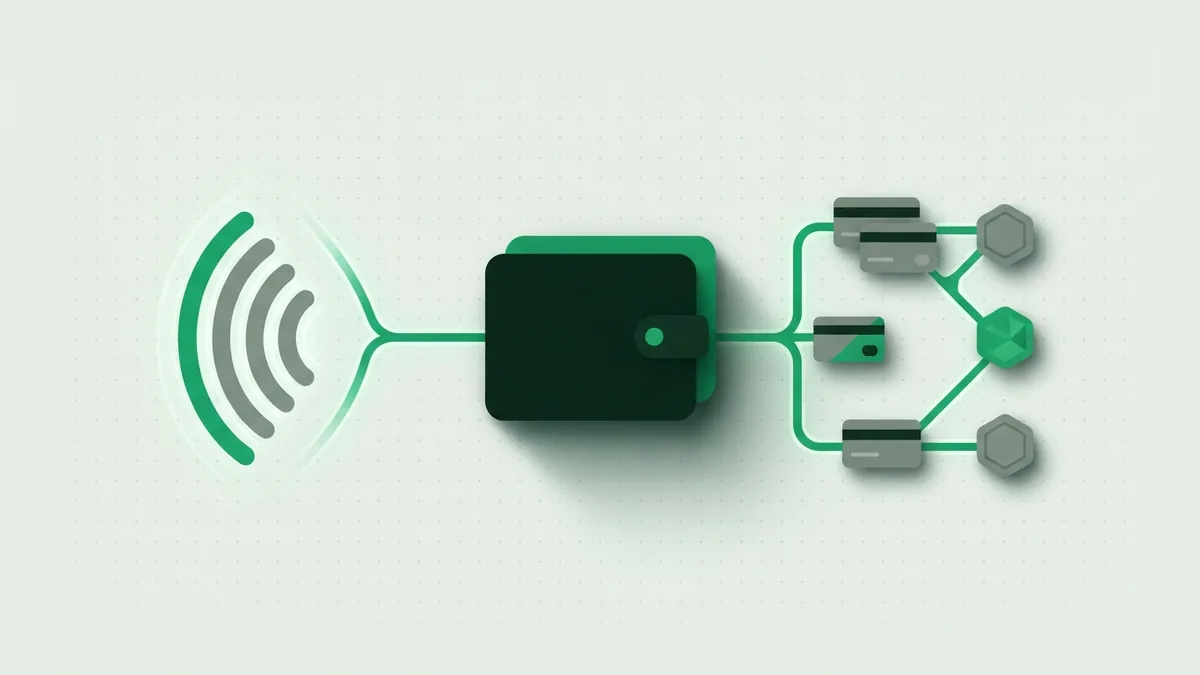
Digital wallets let customers pay with a phone, watch, or other device. Many people like them because checkout can be quick and stored payment details need not be entered each time. Wallet use also relies on device security and the merchant’s ability to accept that method. Customer choice will keep shaping which options sellers offer.
Contactless payments have become a common way to pay in shops. A customer taps a card or device near a reader, then the payment is checked. The short interaction suits busy counters and transit systems. Sellers still need reliable readers and a backup plan for outages.
Some firms are exploring cryptocurrency payments and links to digital assets. These tools may suit specific cross-border or online use cases, but they bring price swings and rule questions. They are not a simple replacement for bank money. Merchants should weigh customer demand, fees, tax duties, and refund needs first.
Consumer behavior drives much of this change. Shoppers expect choice, clear prices, and fast checkout across shops and online stores. Yet not every customer wants an app or a phone-based wallet. Offering more than one safe way to pay can serve a wider range of needs.
Payment firms are also working to make transfers faster and easier to track. New services may improve the timing of funds between people and firms. The best option depends on cost, reach, and how quickly the recipient needs the money. Speed alone is not enough if a payment is hard to fix or reverse.
Challenges Facing Payment Firms
Fraud prevention remains a hard balance. Tight checks can stop stolen payments, but they can also block honest customers. Weak checks may let fraud pass and leave merchants with losses. Firms need to track both fraud rates and false declines.
Regulatory compliance means meeting rules that apply to payments, data, and customer checks. Those rules can differ by country and payment type. Firms that cross borders must map which rules apply to each service. Good records and clear staff roles help teams meet their duties.
Technology integration is another common issue. A merchant may rely on a till system, online store, processor, and accounting tool. If those tools do not share data well, staff may face errors and slow settlement checks. Testing the full payment path before launch can catch many faults.
Security needs ongoing care. Firms should limit access to payment data, keep systems patched, and review unusual activity. They also need a plan for outages and data breaches. A clear response can limit harm when a problem occurs.

Key Takeaways for the Payments Industry
Financial payments depend on banks, processors, merchants, and fintech firms working together. Each has a role in approval, routing, and the movement of funds. The customer sees one checkout, but the payment passes through a wider network. That shared work makes the system useful and complex.
AI can make checks faster and help spot unusual activity, but it needs good data and human oversight. ISOs can help merchants set up card acceptance and support, yet their contracts deserve a close read. Digital wallets and contactless payments meet demand for easy checkout. Crypto may suit some needs, but it is not right for every seller.
The future of the payments industry will depend on trust as much as speed. Firms must guard against fraud, meet rules, and connect new tools with older systems. Merchants can start by learning where funds go, what each provider does, and what each service costs. Then they can choose options that fit their customers and risk needs.
- Payments move through a network of banks, processors, merchants, and fintech firms
- AI can flag risk and speed review, but needs checks and oversight
- An ISO helps merchants set up card acceptance and related services
- Wallets and contactless options reflect demand for easy checkout
- Fraud, rules, and system links remain key industry challenges
Frequently asked questions
- What are financial payments?
- Financial payments are transfers of money between people, firms, or other groups. They include card purchases, bank transfers, wallet payments, and cash withdrawals.
- How does AI help in the payments industry?
- AI can review payment patterns and flag activity that seems unusual. Firms also use it to sort errors and support requests, but staff still need to check results.
- What is an ISO in the payments industry?
- An ISO, or Independent Sales Organization, helps merchants accept card payments. It may arrange account setup, equipment, onboarding, and support through a bank or processor.
- What trends are shaping the future of payments?
- Digital wallets and contactless payments are growing as customers seek quick checkout. Some firms are also testing cryptocurrency use for select payment needs.
- What are the main challenges for payment firms?
- Key challenges include fraud prevention, meeting rules, and linking new tools with older systems. Firms must also protect payment data and limit false declines.
Related reading

What Is Flutterwave? How Its Payment Tools Work
Learn how Flutterwave helps businesses take and manage digital payments.
What Is Credit Card 3D Secure?
See how 3D Secure verifies cardholders and can protect online payments.
What Is a Payment Flow? How Card Payments Move
See how card payments move from checkout to approval, and what makes a flow work well.