3D Security Explained: How Safer Online Payments Work
See how 3D security protects online card payments and where it can fail.
What Is 3D Security?
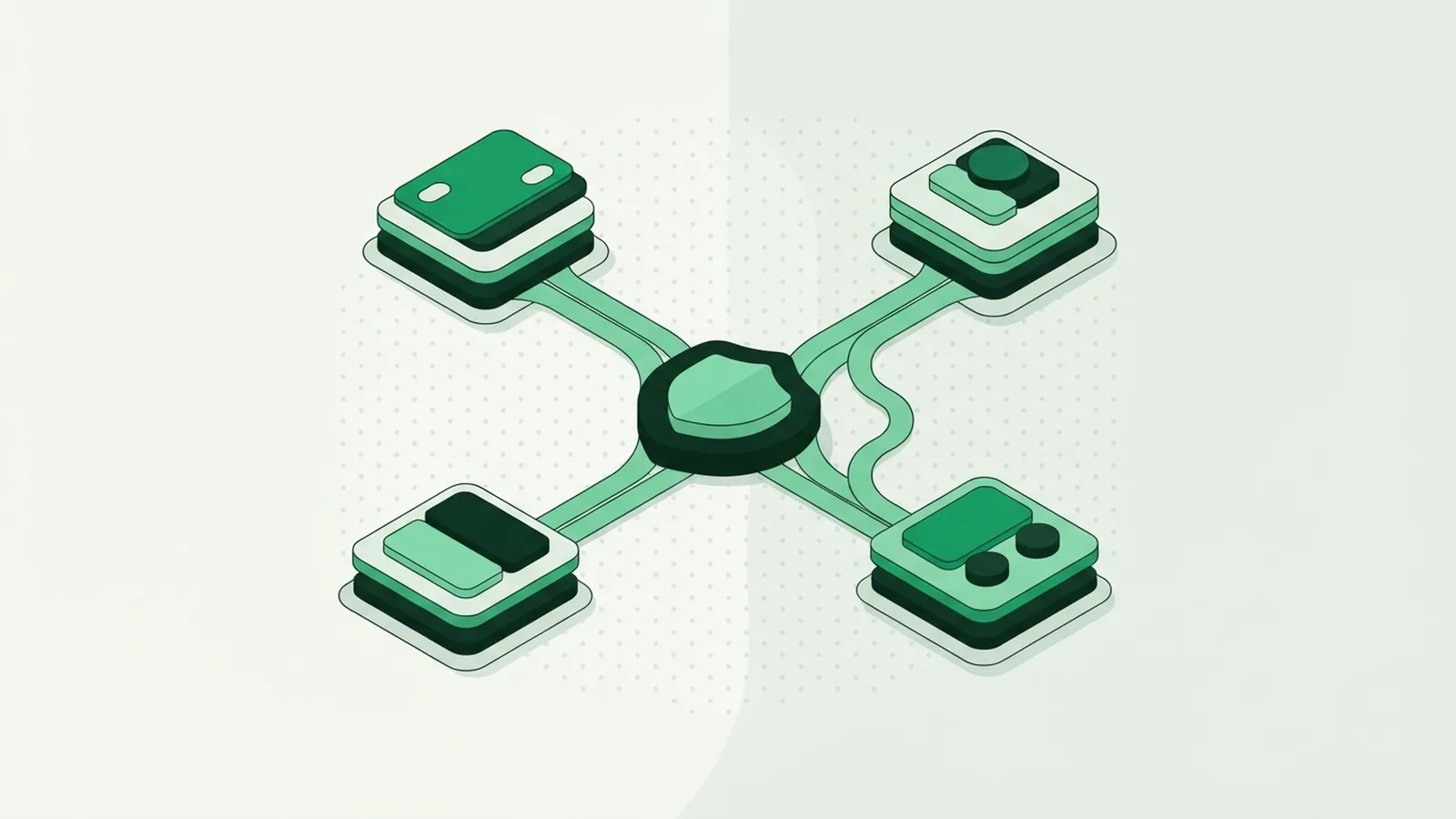
3D security is a protocol that checks a cardholder during an online payment. It adds a security step before the payment gets approval. The check helps the card issuer spot risky card use.
The name comes from three domains. The acquirer handles the merchant side. The issuer serves the cardholder. The interoperability domain links the two sides through shared rules.
Financial groups first built this model to reduce card-not-present fraud. Visa launched Verified by Visa in 2001. Mastercard later offered SecureCode. Other card networks built similar services under their own names.
Today, EMV 3-D Secure is the main shared standard. You can read the EMVCo 3-D Secure overview for the current framework. The core goal remains simple. Prove the buyer is genuine.
How 3D Security Authentication Works
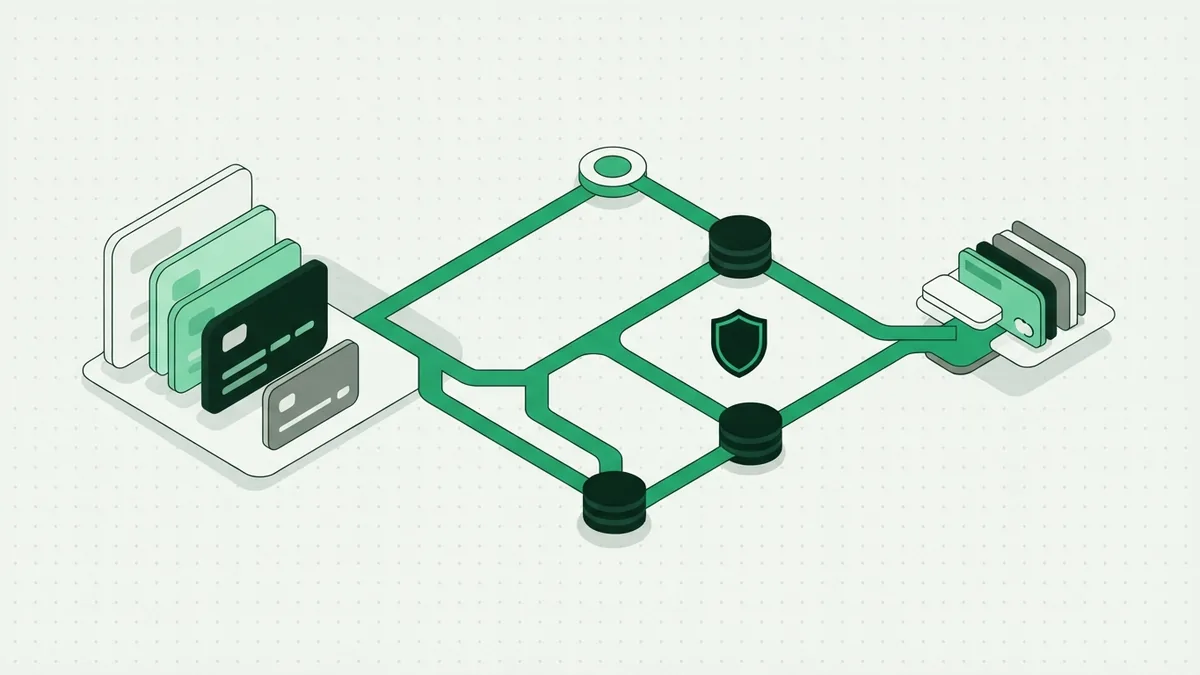
A 3D security payment starts when a shopper submits card details. The merchant sends the payment request to its acquirer. The request then reaches the card issuer through the payment network.
The issuer checks many signals before asking for more proof. These signals may include the device, location, order value, and past use. A low-risk payment may pass without a visible challenge.
A high-risk payment may need 3D security verification. The shopper might enter a password or a one-time SMS code. Some banks use an app approval, fingerprint, or face scan instead.
After the check, the issuer sends an approval or decline result. The merchant then completes or stops the payment. The card number alone is not enough when a challenge appears.
| Domain | Main role |
|---|---|
| Acquirer | Connects the merchant to the payment network |
| Issuer | Checks the cardholder and approves the payment |
| Interoperability | Lets systems exchange payment and risk data |
Benefits of 3D Payment Security
3D payment security adds a strong barrier against stolen card details. A fraudster may have the card number and expiry date. They may still fail without the second check.
Issuers can use risk checks before they interrupt the shopper. This approach supports smoother low-risk payments. It also sends more suspicious orders to a stronger check.
The protocol can help shift fraud losses in some payment settings. The exact result depends on the network rules and merchant setup. A sound risk process still matters.
Visa, Mastercard, American Express, and other networks use related systems. Their names and flow details can differ. EMV 3-D Secure helps these systems work across many payment tools.
- It adds cardholder authentication to online payments
- It helps issuers screen risky orders
- It supports safer payments across many devices
- It can reduce manual fraud checks for low-risk orders
Challenges and Weak Points
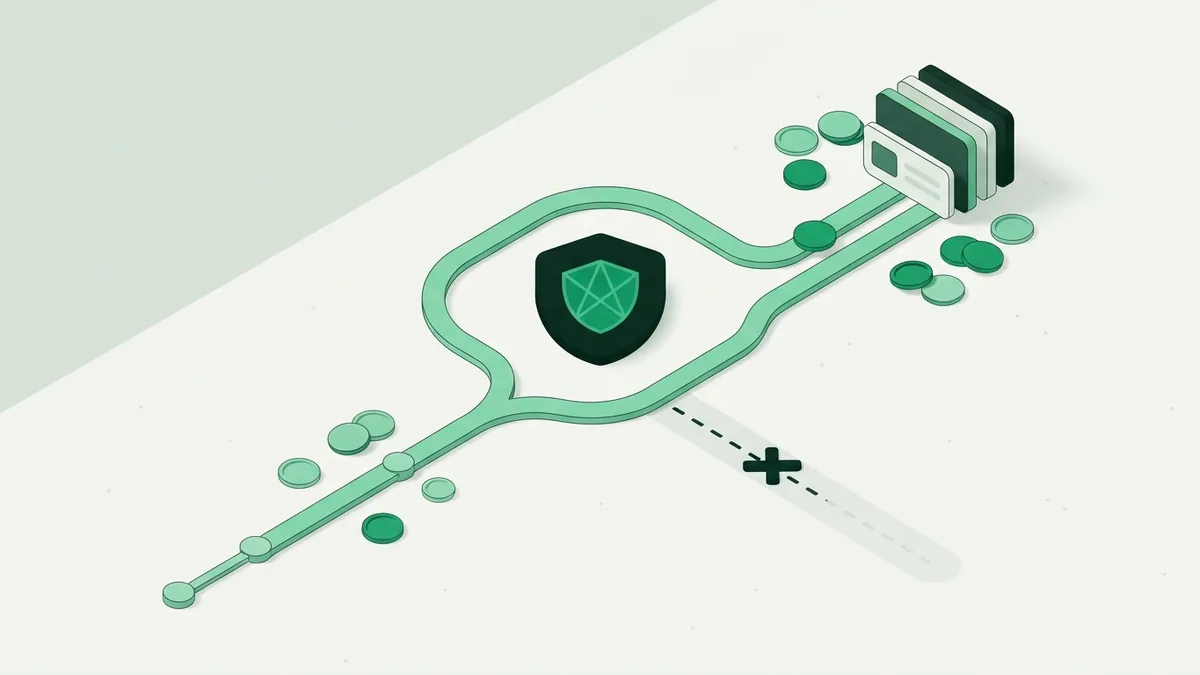
Security 3D checks can harm the user experience when they fail. A code may arrive late. A bank app may not load. The shopper may not know which password to enter.
Each extra step can raise transaction abandonment. This risk grows on mobile devices and slow networks. It also affects shoppers who travel or use a new phone.
Older password systems have clear flaws. Shoppers reuse passwords across sites. Fraudsters can steal them through phishing. SMS codes also face risks from phone theft and number takeover.
SSL adds vital protection during the payment journey. It encrypts data between the browser and the website. Yet SSL cannot prove the buyer owns the card. Merchants need both a secure connection and a strong card check.
Merchants should test the full payment path before launch. They should also track failed challenges, code delays, and abandoned carts.
- Show a clear reason for each security step
- Offer a safe retry path after a failed code
- Keep the checkout short on small screens
- Watch challenge failures by device and region
3D Security in E-Commerce
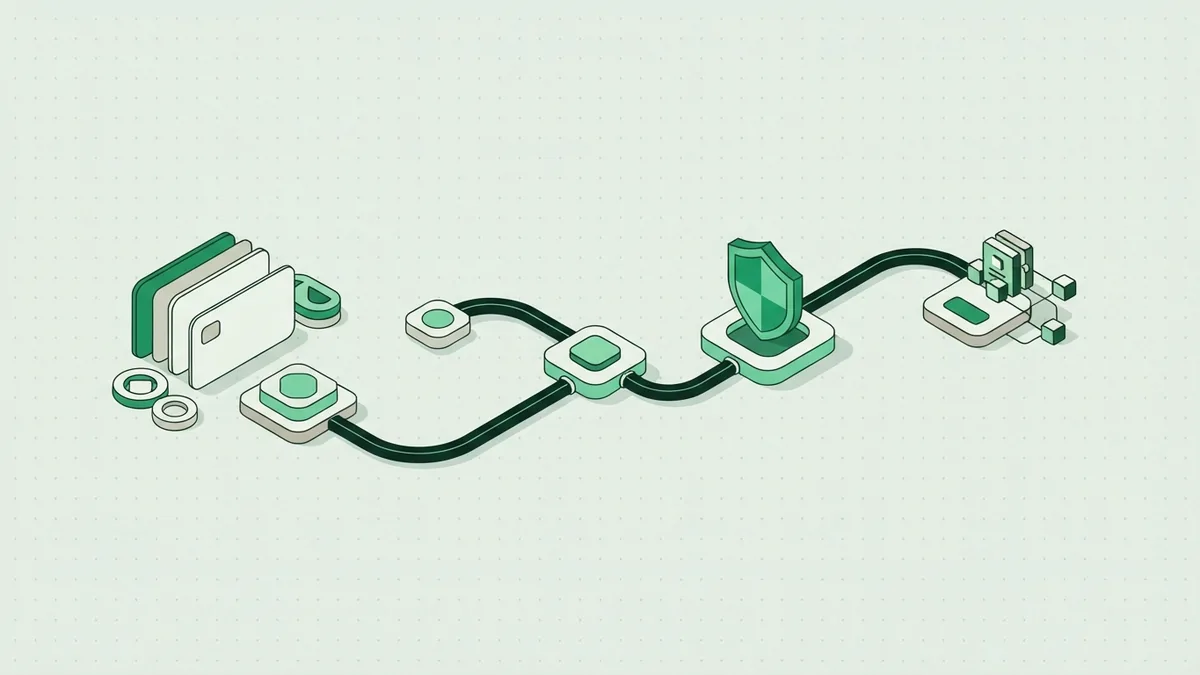
Online stores use 3D security when card risk needs more proof. A merchant can request a check for every order. A better setup often uses risk data for a smoother flow.
For example, a repeat buyer may pass with no prompt. A first order from a new device may trigger a dynamic passcode. A large order may need approval in the bank app.
Merchants must connect the checkout, acquirer, and fraud tools well. They should send accurate order data to the issuer. Poor data can cause needless challenges or missed fraud.
Network brands use different names for their versions. Visa uses Visa Secure. Mastercard uses Identity Check. The shopper may see a bank page rather than a network brand.
Good checkout design matters as much as the protocol. Tell shoppers what will happen next. Never ask for a full PIN or an unrelated account password.
Where 3D Security Is Heading
New 3D security authentication methods aim to cut friction. Biometrics can confirm a user inside a trusted bank app. Dynamic passcodes can replace static passwords that attackers can reuse.
Risk tools are also getting better at reading payment signals. They can compare device patterns, order details, and past behavior. The issuer can then focus strong checks on unusual activity.
Token use may protect the real card number during repeat payments. A token is a substitute value with limited use. It can reduce harm when a merchant database suffers a breach.
Future systems will likely balance quiet checks with firm proof. The best 3D security payment flow will feel quick for honest buyers. It will still slow down risky orders.
3D security is not a single feature or a magic shield. It is a shared process across merchants, banks, and payment networks. Its value depends on sound data, secure connections, and a clear user journey.
Frequently asked questions
- What is 3D security in online payments?
- 3D security is a protocol that checks a cardholder during an online payment. It can ask for a password, code, or bank app approval.
- What are the three domains in 3D security?
- The three domains are the acquirer, issuer, and interoperability domains. They connect the merchant, card bank, and payment network.
- What is a 3D security code?
- A 3D security code is often a one-time code sent by a bank. It helps confirm that the shopper controls the card or bank account.
- Does 3D security stop all online card fraud?
- No. It lowers risk but cannot stop phishing, stolen phones, or weak account security. Merchants still need fraud checks and secure connections.
- Why do 3D security checks cause payment failure?
- Codes can arrive late, bank apps can fail, and shoppers may forget passwords. Poor mobile design can also lead to payment abandonment.
- Is 3D security the same as EMV 3-D Secure?
- EMV 3-D Secure is the current shared standard behind many modern card authentication flows. Networks may use different brand names for their versions.
Related reading
What Is Flutterwave? How Its Payment Tools Work
Learn how Flutterwave helps businesses take and manage digital payments.
What Is Credit Card 3D Secure?
See how 3D Secure verifies cardholders and can protect online payments.
What Is a Payment Flow? How Card Payments Move
See how card payments move from checkout to approval, and what makes a flow work well.