Traditional vs Modern Payment Systems: What’s the Difference?
Understand what traditional payments are and how they compare to modern payment systems.

What is a traditional payment system?
A traditional payment system moves money using older rules and steps. It often uses paper or bank work that takes time to check. If you pay with cash, a cheque, or a wire transfer, you use it.
Key payment instruments in these systems are physical tools of pay. A cheque is a negotiable paper that tells a bank to pay a sum. A letter of credit is a trade tool that ties pay to set proof.
Even today, many places still use these tools. Yet electronic growth has cut check and cash use in many regions.
In some economies, cash stays very common. The share of GDP tied to cash can vary a lot by country.
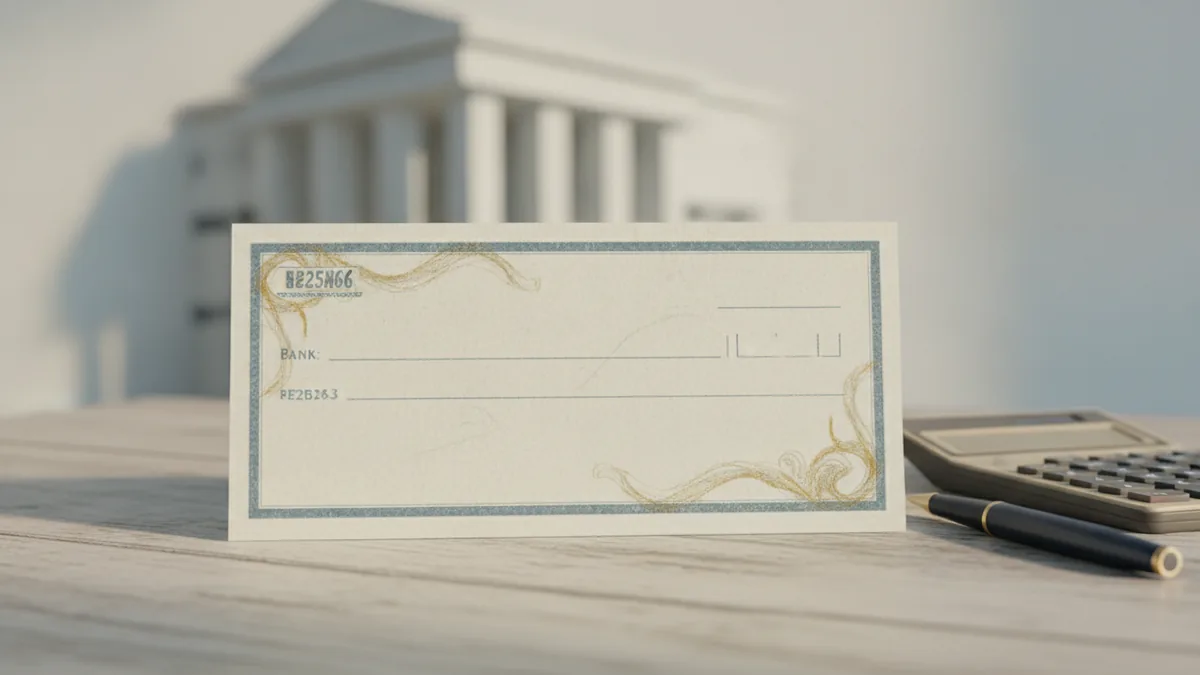
Common types of traditional payment methods
Traditional payment methods share one trait. They rely on items that people and banks must handle in steps. That usually adds time and work.
Here are the main types you will see:
- Cash payments: Money moves hand to hand.
- Cheque payments: A written order to pay from a bank account.
- Wire transfers: Banks send money through a bank network.
- Letters of credit: Trade deals get pay based on paper proof.
Cheques matter because they are negotiable. That means they can be endorsed and passed onward. Banks still must clear them through set cycles.
Wire transfers can work well for large sums. Still, they may need more steps and more middle banks. That can raise time and fees.
How modern payment systems work (and what changes)
A modern payment system moves money mostly by code and net links. It aims for quick approval, clean logs, and fast send. If you ask, what is modern payment system, this is the core idea.
Modern rails often use electronic funds transfer for bank sends. That means money moves via data messages, not paper steps. Some setups can also use real-time gross settlement for fast deal finality.
On the phone side, you see mobile payments and digital wallets. The user taps on a screen, but settlement still follows bank paths. That can help with speed and easier follow-up.
Modern flows also focus more on payment security. Systems use checks to spot risky tries and stop fraud early.

Traditional payment system and modern payment system: key comparison
The traditional payment system and modern payment system link can be compared by flow. Traditional pay often needs paper work and more manual checks. Modern pay relies on fast data moves and set rules.
Use this table to map the gap:
| Area | Traditional | Modern |
|---|---|---|
| Common tools | Cash, cheques, letters of credit | Bank sends, card pay, wallet pay |
| Core steps | Hand it in, check it, clear it | Ask approval, route data, log events |
| Deal time | Often slower due to clearing | Can be faster with electronic rails |
| Cost | More work can raise cost of payment processing | Automation can cut total cost |
| Fraud and errors | Cheques can be forged or wrong | Controls and checks can lower risk |
Do not assume every modern pay is instant. Some rails still batch work at set times. Still, you usually get better transaction speed.
You also get better match work. That means easier reconciliation and fewer money mix-ups.
Strengths and limits of traditional methods
Traditional pay still has strong uses today. Cash works even when net links fail. Many small shops and rural areas still lean on it.
Cheques can fit firms with paper ledgers. They can also support slow, step-based sign off. Some trade deals still use letters of credit for proof chains.
Yet the limits show up fast in day work. Traditional pay can be slower and costlier. It depends on paper steps and manual checks.
Cheques also bring clear risk points. Errors happen in write ups and reads. Fraud can include fake sign and changed sums.
Common limits of traditional payment methods include:
- Time delays: Funds may move after clear days.
- More staff work: Teams must check and fix paper.
- More wrong picks: Data entry can go bad.
- Fraud exposure: Cheques need tight controls.
- Bank cut offs: Sends may wait for batch time.
Where electronic pay grows, these limits push change. Many places saw a drop in check and cash use. Yet cash can still lead in some key areas.
So the best choice can be local. It depends on access, cost, and risk.
Future trends in payment systems
Payment change is driven by speed and lower work. Many banks are moving to faster rails with better logs. Some regions push real-time paths for urgent pay.
Fraud tools also keep up. Many systems now use more risk checks at login and pay time. That can help meet payment security needs without big user pain.
Another trend is better data fit. Modern sends can carry clean pay ids. That helps match pay to invoices with less manual work.
Many firms will also run hybrid pay. They will keep cash or cheque options in some cases. Then they will add modern tools for speed and cost wins.
So future pay is not one switch. It is a mix that fits each market and each risk level.
Conclusion and key takeaways
A traditional payment system uses older steps like cash, cheques, and wire work. It can fit some areas well. It can also be slow and costly due to paper and manual checks.
A modern payment system moves money in data flows with fast checks. It can cut delays and lower work for staff. It can also improve transaction speed and reduce fraud risk.
Pick the best rail by real needs. Compare speed, risk, and cost of payment processing. That is how you choose a path that truly fits.
- Traditional pay uses cash, cheques, and trade tools.
- Modern pay uses electronic rails and fast routing.
- Traditional steps can add time and cost.
- Modern tools can cut error risk and speed up pay.
- Use both where needed, based on local needs.
Frequently asked questions
- What is a traditional payment system?
- A traditional payment system is a set of methods and steps that move money with cash, cheques, wire transfers, or trade tools like letters of credit.
- What is a modern payment system?
- A modern payment system moves money with electronic rails and set rules for quick checks and better tracking.
- How do traditional payment methods compare to modern payment systems?
- Traditional pay often needs paper handling and longer clear cycles. Modern pay uses electronic funds transfer and can move faster.
- Are cash and cheques still used today?
- Yes. Many regions use less cash and cheques today. Still, cash can stay a big share of GDP in some countries.
- What are the main risks of traditional payments like cheques?
- Common issues are handling errors and fraud like fake or altered cheques. They also often take longer to settle.
- How can payment speed affect business decisions?
- Faster settlement can help cash flow and reduce follow-up work. Slower rails can delay funds and add more admin work.
Related reading
What Is Mastercard and How Does Its Payment Network Work?
Mastercard links banks, merchants, and shoppers through a global payment network.

What Is a Merchant? A Clear Guide to Trade and Payments
A clear guide to merchants, trade, online sales, and payment IDs.
Payment Details Meaning: What They Are, Why They Matter, and Examples
Payment details meaning explained with clear examples and ACH guidance.