What Are P2P Payments? How They Work and How to Stay Safe
P2P payments let you send money fast to friends using an app.
What are P2P payments, in plain terms?
So, what are p2p payments? P2P (peer-to-peer) payments are digital money transfers between individuals using an app or platform. Instead of cash or a bank teller, you send value through a service that links to your funding source.
This is often called p2p payment or p2p payments because the transfer is between two people. In p2p in banking contexts, the “bank” part usually means the service uses bank connections behind the scenes.
The p2p payment method typically uses an identifier you set up in the app. That identifier can be a phone number, email address, or username tied to the other person’s P2P account.
How do P2P payments work?
To understand how do you set up a p2p payment account, start with the idea of a “wallet” inside the app. You create an account, then link a funding source like a bank account or credit card.
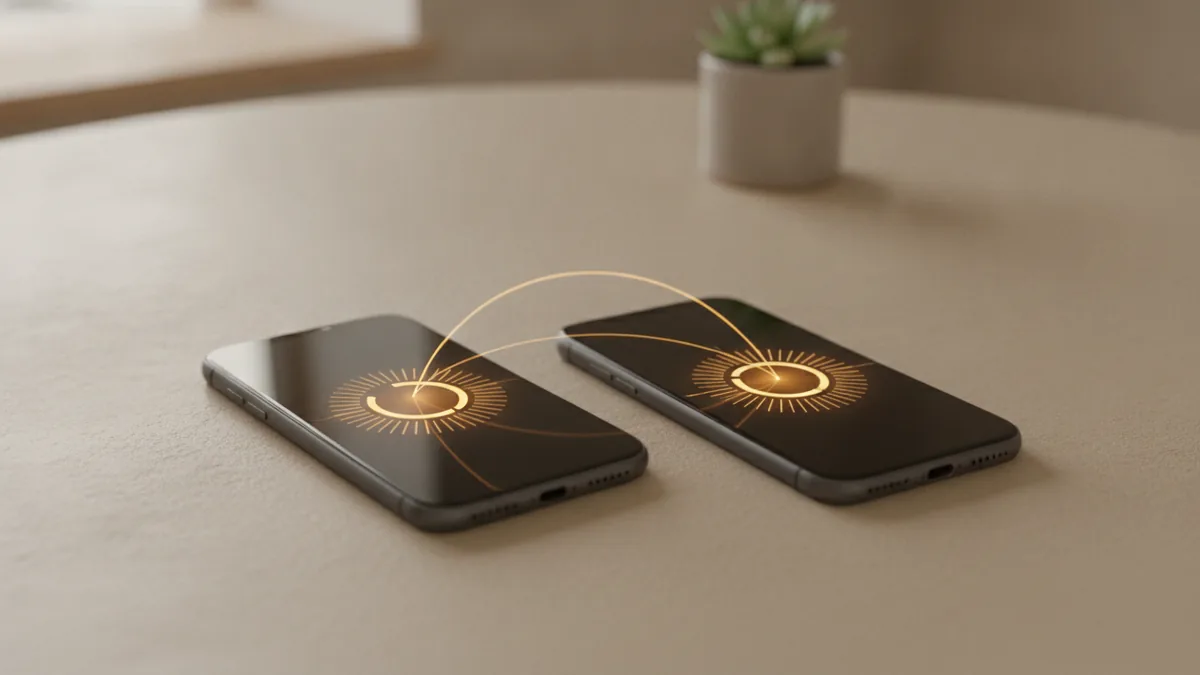
When you send money, the app creates a transfer request that goes through its payment rails. The service checks that the recipient can be found by the identifier you entered. Then it confirms the transfer and notifies both sides.
Most P2P payments are fast. Many transfers complete in minutes, especially for standard consumer use cases. Some services offer “instant” or faster options for an extra cost, depending on the amount and funding method.
In practice, a p2p transfer usually looks like this:
- You select a contact by username, phone number, or email.
- You enter an amount and confirm the payment.
- The app authorizes the transfer from your linked funding source.
- The recipient’s account receives the funds or a payment notification.
- You track status in the app until it marks as completed.
This is why P2P services are popular for small personal transfers. They reduce friction compared with bank-to-bank transfers you might have to schedule manually.
Examples of P2P payment apps
When people ask what is a p2p payment, the answer is also easier with real examples. Common P2P payment apps include PayPal, Venmo, and Zelle.
Each app has its own user experience and rules. Some are designed around a social feed and contact discovery. Others focus on quick bank-linked transfers with simpler screens.
Before you choose an app, check two practical items. First, look at the funding sources it supports. Second, review whether it charges for transfers, speed, or card funding.
Here is how these apps are often used:
- PayPal is used for sending money to friends and paying merchants, with multiple ways to fund.
- Venmo is used for quick peer transfers, often between people who already have the app installed.
- Zelle is commonly used for bank-linked transfers that many users can access via their bank app.

Advantages of P2P payments for everyday money transfer
The main reason P2P services spread so fast is convenience. You can send money from your phone in seconds. You do not need to visit a branch, fill out paperwork, or remember long account details.
Speed is another big benefit. Many digital payments via P2P apps settle quickly, sometimes within minutes. For personal scenarios like splitting a meal or reimbursing a ride share, that speed matters.
People also like the privacy angle. Your transfer usually goes through an app-specific flow rather than exposing full bank account numbers in plain text. The service handles the routing details for you.
Finally, transaction fees for personal transfers can be low or even $0 on some services, depending on how you fund the payment. If you use a linked bank account instead of a card, you may face fewer charges in many cases.
In short, a good p2p payment method can feel like instant “send and request” rather than a formal money transfer process.
Risks and safety concerns with P2P transfers
P2P is convenient, but it is not risk-free. A major concern is scams. Fraudsters often ask for money by using urgency, fake goods, or impersonation of a friend or business contact. They may also create fake payment links or try to move you off the app.
Another risk is that transfers can be hard to reverse. If you send to the wrong person, recovery may be limited, and delays can happen even when the recipient agrees. Some services offer a dispute flow, but it is not guaranteed for every situation.
You should also watch transaction limits. Many P2P apps limit daily or per-transaction amounts. If you hit a limit, you might need to verify your account or use a different funding path.
To reduce risk, follow these safety checks:
- Verify identity before sending money to someone new. Use the in-app profile and confirm details.
- Be careful with urgency. Scammers often push “send now” to beat your judgment.
- Avoid paying for supposed “fees”. A real company rarely asks for payment through P2P to unlock access.
- Check the amount and recipient right before you tap send. A small typo can cost you.
- Review privacy settings inside the app. Limit who can request or see your activity.
These steps support your financial security. They help you avoid the two most painful outcomes: paying a scammer and losing funds after a mistaken transfer.
How to set up a P2P payment account step by step
If you are wondering how to get started, the process is usually straightforward. The core task is to create an account and connect a funding source.
To how do you set up a p2p payment account safely, plan for two phases. First, complete identity checks and app setup. Second, link your bank or card and test with a small transfer.
Here is a practical setup flow that works for most P2P apps:
- Create your account with your email or phone number.
- Set your profile so friends can find you by the identifier you choose.
- Link a funding source such as a bank account or credit card.
- Enable security features like a PIN, passcode, or two-factor sign-in if offered.
- Make a small test transfer to confirm delivery and timing.
One more note: your first linked funding source influences fees and speed. A bank transfer may take longer but can be cheaper. A card might fund faster but can cost more.
Finally, learn your app’s rules for mistakes. Knowing whether there is a way to report a wrong transfer helps you act quickly if something goes wrong.
P2P vs P2M? You may also see “P2M” mentioned online. In common usage, p2p and p2m meaning is “peer-to-peer” versus “person-to-merchant.” The key difference is the recipient: a person on one side, versus a business on the other.
When you use P2P apps, you are usually sending to individuals. When you pay merchants, you are doing a P2M-style transaction.
Frequently asked questions about P2P payments
Is a P2P payment the same as a bank transfer?
No. A P2P payment uses an app to send money between people. Some services use bank networks under the hood, but the experience and identifiers are different.
Are P2P payment transactions instant?
Often they are completed within minutes, especially for standard transfers. Some services offer faster options that may cost more.
Do P2P apps charge transaction fees?
Fees vary by service and funding method. Personal transfers may be low-to-no cost on some platforms, while card funding or instant speed can add charges.
Can I get my money back if I sent it to the wrong person?
Recovery is not guaranteed. You can usually report the mistake, but success depends on the service’s policies and the recipient’s cooperation.
What identifiers do P2P payments use?
Most apps match recipients by username, email address, or phone number linked to their P2P account.
What is p2p in banking, and why does it matter?
“P2P in banking” refers to how banks and payment networks support peer transfers. It matters because settlement timing and limits often depend on those connected rails.
Step-by-step
- 01 Create your P2P account
Install the app and sign up with your email or phone number. Set the identifiers friends will use to find you.
- 02 Link a funding source
Add a bank account or credit card as your funding source. Check which options change speed or fees.
- 03 Turn on account security
Enable passcodes and two-factor sign-in if the app offers it. This reduces takeover risk.
- 04 Test with a small transfer
Send a small amount to a trusted contact. Confirm delivery time and how the app shows status.
- 05 Learn the reversal process
Read how the app handles disputes and wrong recipients. Acting fast improves your odds when something goes wrong.
Frequently asked questions
- What are p2p payments?
- P2P payments are peer-to-peer transfers between individuals using a digital app. You send money to a contact identifier tied to a P2P account.
- What is a p2p payment method?
- A P2P payment method is the way you send money through a P2P app, usually by choosing a recipient and funding the payment from a linked account. It may use email, phone number, or username.
- How do you set up a p2p payment account?
- Create your account in the app, then link a bank account or credit card. Turn on available security features and test with a small transfer first.
- What are the risks of using p2p payment apps?
- Common risks include scams and limited ability to recover funds after a mistaken transfer. You should also expect transaction limits and review app rules.
- What is p2p in banking?
- It describes how banking networks and payment rails support person-to-person transfers. The app is the user interface, while banks help with settlement and funding.
- What does p2p vs p2m mean?
- P2P is person-to-person, while P2M is person-to-merchant. The difference is who receives the money.
Related reading
What Is Mastercard and How Does Its Payment Network Work?
Mastercard links banks, merchants, and shoppers through a global payment network.

What Is a Merchant? A Clear Guide to Trade and Payments
A clear guide to merchants, trade, online sales, and payment IDs.
Payment Details Meaning: What They Are, Why They Matter, and Examples
Payment details meaning explained with clear examples and ACH guidance.