What Is a Chargeback and How Can You Prevent One?
Learn how chargebacks work, why they happen, and how merchants can respond.
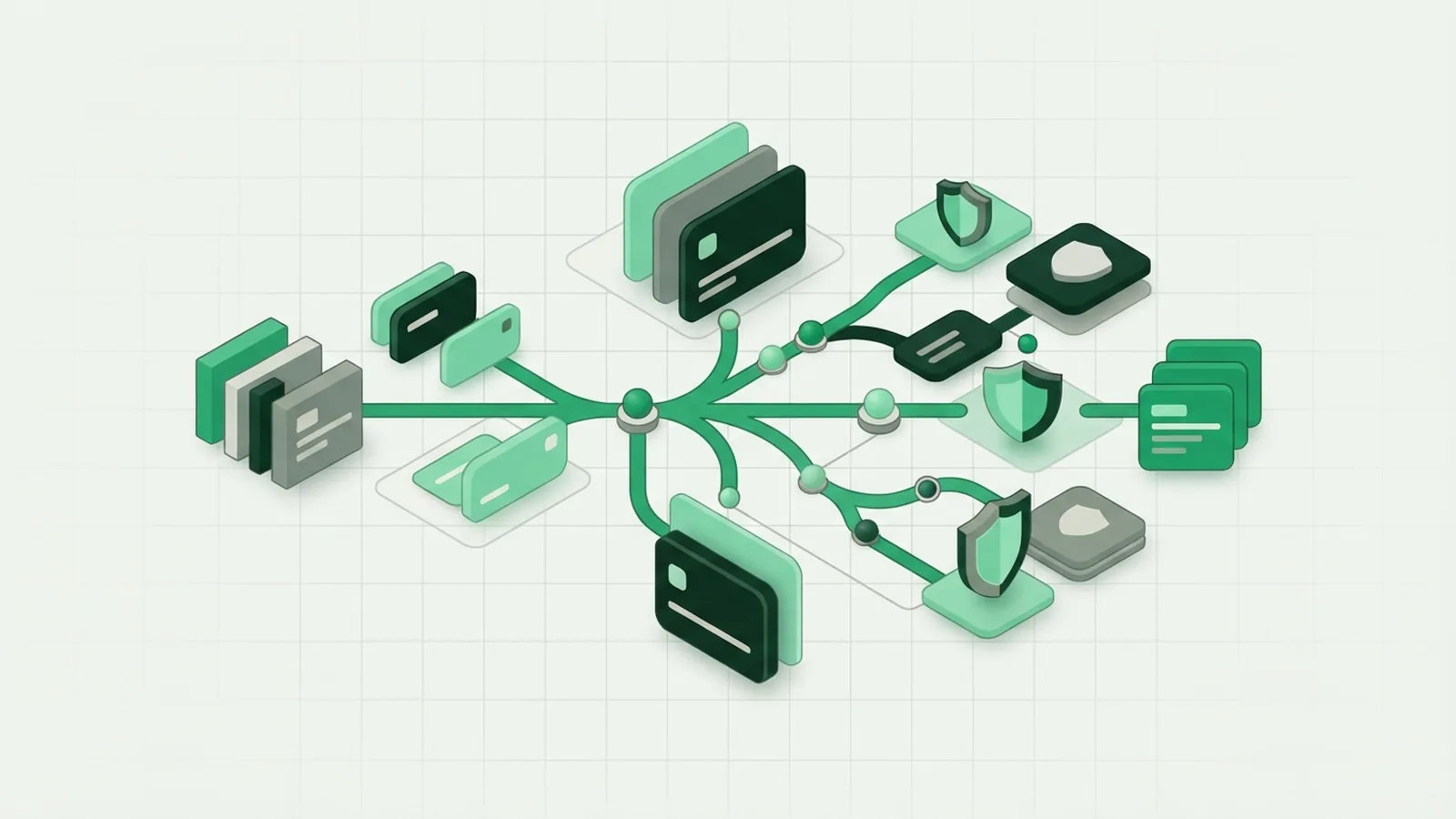
What Is a Chargeback?
A chargeback is a payment reversal started by a cardholder's bank after a disputed charge. The bank may remove funds from the merchant's account while it reviews the claim. This differs from a refund, which the merchant sends by choice.
Chargebacks protect people from fraud, billing mistakes, and poor service. They also create risk for sellers. A merchant may lose the sale, the goods, and a dispute fee. Too many chargebacks can also lead to higher costs or limits from a payment provider.
The main parties are the cardholder, issuing bank, acquiring bank, and merchant. The cardholder owns the account. The issuing bank issued the card and reviews the claim. The acquiring bank serves the merchant. It passes the claim and evidence between both sides.
- Cardholder: The customer who reports a charge.
- Issuing bank: The bank that checks the customer's claim.
- Acquiring bank: The merchant's bank and dispute channel.
- Merchant: The seller that must explain or accept the payment.
How the Chargeback Process Works
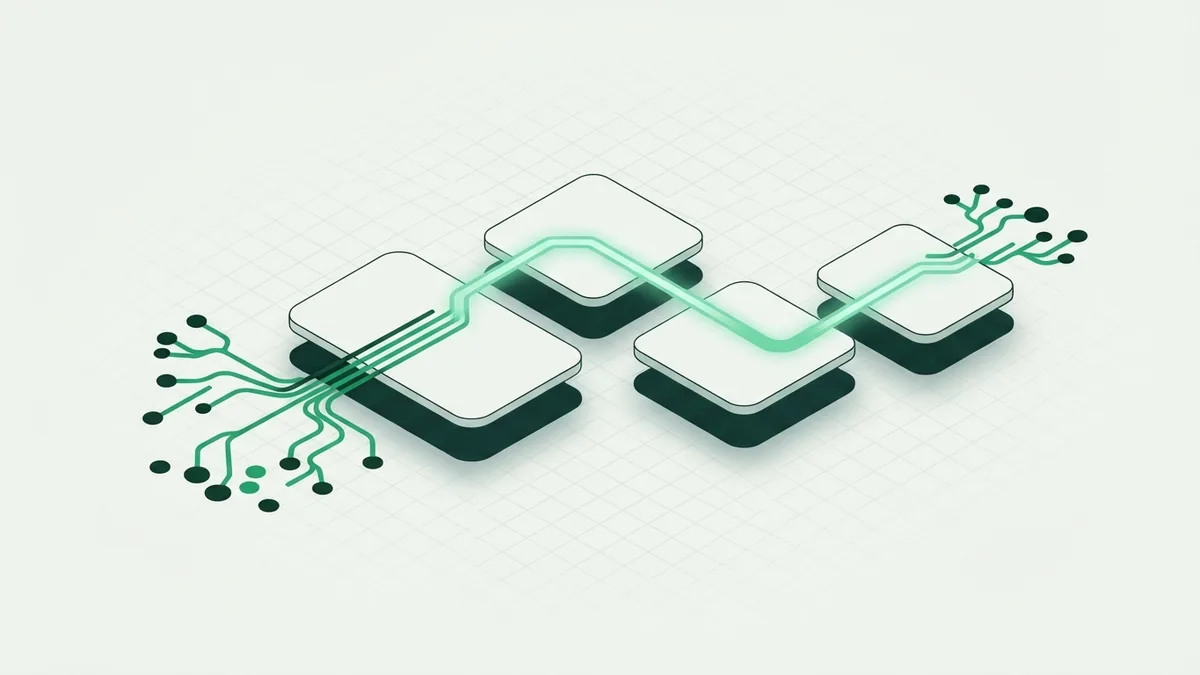
The process starts when a customer contacts the issuing bank. The customer may say the payment was not theirs, the item never arrived, or the seller charged the wrong amount. The bank checks basic details before opening a formal dispute.
Next, the issuing bank sends the claim through the card network. The acquiring bank then alerts the merchant or its payment provider. The merchant may accept the claim or send evidence against it. This response is often called a chargeback dispute or representment.
Rules and deadlines vary by card network and dispute type. Many merchants get only a short window to respond. Missing that window often means an automatic loss. Stripe's dispute guidance explains common response steps and evidence types.
The bank then reviews the available records. It may keep the reversal, return the funds, or ask for more review. A merchant win does not always end the matter. The customer may ask for another review under the network's rules.
- The customer reports the charge to the issuing bank.
- The bank reviews the claim and opens a case.
- The acquiring bank sends notice to the merchant.
- The merchant accepts the claim or submits evidence.
- The bank makes a decision and moves the funds.
Why Customers File Chargebacks
Fraud is one common reason. A customer may see a payment they did not make. Their card details may have been stolen. A family member may also use the card without the account holder's clear approval.
Billing errors cause many disputes as well. These include duplicate payments, wrong amounts, and charges after cancellation. A vague billing descriptor can make a real purchase look unknown. The descriptor is the name shown beside the payment on a bank statement.
Customers may also dispute goods or services. The order may never arrive, arrive late, or differ from its listing. A service may fail to match its promise. Poor support can push a customer toward the bank instead of the merchant.
Friendly fraud happens when a real buyer disputes a valid payment. The buyer may forget the purchase, misunderstand a subscription, or want to avoid a return. Some cases are honest mistakes. Others are deliberate abuse of the dispute system.
Chargeback vs. Refund: The Key Difference
A refund begins with the merchant. The seller sends money back after a return, cancellation, or service issue. The merchant can often explain the reason and choose the amount. The customer usually sees the refund through the same payment method.
A chargeback begins with the cardholder's bank. The merchant may not know about it until funds have moved. The bank controls the first review. That makes the process less predictable for the seller.
Refunds can prevent some disputes. A fast, fair refund may solve a complaint before it reaches the bank. Still, a refund cannot stop every case. A fraud claim or bank error may need a formal review.
| Point | Refund | Chargeback |
|---|---|---|
| Who starts it | Usually the merchant | The cardholder through the bank |
| Merchant control | High | Limited at first |
| Typical cost | Lost sale | Lost sale plus possible fees |
| Best first response | Resolve the issue | Review the claim and deadline |
How to Prevent Chargebacks

Strong chargeback prevention starts before payment. Show the full price, renewal terms, shipping time, and return rules. Keep those details near the buy button. Hidden terms often lead to claims and weak evidence.
Use a clear billing descriptor that customers will recognize. Match it to your store name or product brand. Tell customers how the name will appear on their statement. This small step can reduce claims from forgotten purchases.
Make support easy to find. Show an email address, phone number, or help form after checkout. Set a clear reply goal, such as one business day. Customers are less likely to call their bank when your team solves problems quickly.
Keep proof for each order. Save delivery records, refund requests, customer messages, and login events. Link each record to the order and payment. Good records help with both prevention and chargeback defense.
- Use plain prices, renewal terms, and return rules.
- Send order and delivery updates at key points.
- Use a statement name customers can recognize.
- Check address, device, and payment risk signals.
- Review disputes by product, location, and reason.
- Offer quick help before a customer contacts the bank.
How to Fight a Chargeback
First, read the reason code and response deadline. Do not send a broad reply that ignores the claim. Match each point in the claim with one clear piece of proof. A focused answer is easier for a reviewer to follow.
Useful evidence depends on the case. For a delivery claim, provide the order record, delivery proof, and customer messages. For a fraud claim, show sign-in data, device details, and past order links. For a service claim, show the agreed scope and records of work completed.
Write a short timeline. Start with the order date and payment amount. Then list fulfilment, customer contact, and any refund offer. End with the reason the payment was valid. Avoid anger, guesses, and claims you cannot prove.
Submit the response through your bank or payment provider. Keep a copy of every file and note the submission time. If the case is lost, review the cause before changing your policy. Each loss can reveal a gap in checkout, support, or order records.
Evidence that can support your case
- Order details and the customer's billing data.
- Proof of delivery or service use.
- Customer messages and support case notes.
- Refund and cancellation records.
- Terms accepted during checkout.
- Device or sign-in data tied to the order.
Understanding Chargeback Fraud
Chargeback fraud means using the dispute process to seek money back without a fair reason. Friendly fraud is one form. A buyer may claim a valid order was unknown or never received. That claim can be deliberate or caused by confusion.
Do not label every disputed payment as fraud. A real customer may face account theft or a delivery failure. Treat each case as a review. Look for patterns across orders, accounts, addresses, and devices.
Track chargeback rates by reason and product. A sudden rise may point to stolen cards, unclear renewals, or weak delivery proof. Fix the root issue first. Then tune your fraud checks and support process.
Good chargeback mitigation balances caution with sales. A strict block can reject honest buyers. A weak check can raise losses. Use the least harsh control that solves the risk.
A Simple Chargeback Action Plan
Chargebacks are not just bank problems. They reveal gaps in payment records, delivery, billing, and customer care. Prevention lowers costs before a dispute starts. Fast support can turn a complaint into a refund instead.
When a dispute arrives, act on the deadline. Gather facts, build a short timeline, and answer the stated reason. Accept weak cases when evidence cannot support your side. Fight strong cases with clean, relevant proof.
Review your results each month. Count claims by reason, product, channel, and order value. Then fix the largest source first. That approach makes chargeback remediation a steady business task, not a last-minute scramble.
Frequently asked questions
- What is a chargeback?
- A chargeback is a payment reversal started by a cardholder's bank after a disputed charge. The bank reviews the claim and may remove funds from the merchant.
- How does the chargeback process work?
- The customer reports a charge to the issuing bank. The bank sends the case through the payment network, and the merchant can accept it or submit evidence.
- What are the most common reasons for chargebacks?
- Common reasons include fraud, wrong amounts, duplicate charges, missing orders, poor service, and friendly fraud. Confusing billing descriptors can also cause claims.
- How can a business prevent chargebacks?
- Use clear billing descriptors, plain return terms, order updates, and fast customer support. Keep delivery records and other proof for each order.
- How do I fight a chargeback?
- Read the reason and deadline first. Then submit focused evidence, such as delivery proof, customer messages, accepted terms, and a short order timeline.
- What is chargeback fraud?
- Chargeback fraud occurs when someone uses the dispute process to seek a refund without a fair reason. It can include deliberate friendly fraud or false claims about valid orders.
Related reading
What Is an Acquirer and Issuer?
See how issuers and acquirers split the work behind every card payment.
What Is Verified by Visa, and Is It Safe?
See how Verified by Visa protects online payments and what setup involves.
Unable to Process a Payment? Fix Common Errors
Fix failed payments by checking your card, bank, billing details, and error code.