What Is an ISV in Payments?
See how ISVs embed payments, differ from ISOs, and grow software revenue.
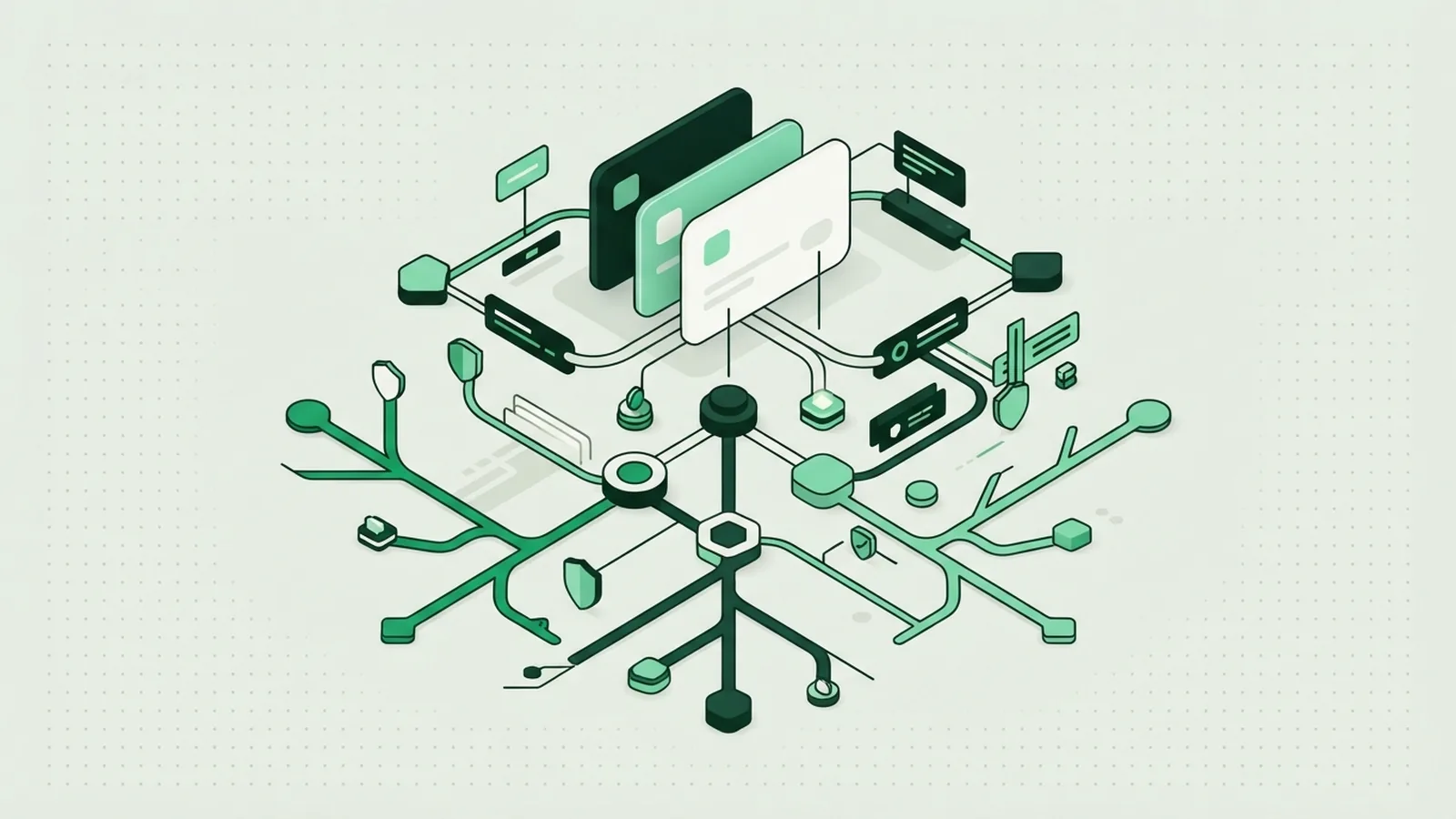
Understanding ISVs in Payments
What is an ISV in payments? It is a software company that builds and sells its own product. The company works apart from hardware makers. In payments, that software may serve shops, clinics, gyms, or field teams.
An ISV can add payment features to its core app. Users then take payments without switching to another tool. This setup is often called embedded payments. It makes the payment flow part of the daily work process.
For example, a booking platform may let a salon take deposits inside its calendar. A retail app may link checkout, stock, refunds, and reports. The ISV owns the user experience. A payment partner often supplies the payment rails behind it.
The term “payments ISV” describes this role in the payment market. The ISV does not need to build every payment service itself. It needs to join the right tools, rules, and support model.
- The ISV creates and sells the main software product
- The payment partner moves funds and supports payment methods
- The business user sees one joined workflow
- The ISV may earn fees from payment use
How ISVs Add Payments to Their Software

Most ISVs start with an application programming interface, or API. An API lets two software tools share data and actions. The ISV uses it to send payment requests, check results, and show status.
The first step is to map the full payment journey. Include checkout, receipts, refunds, failed payments, and disputes. Then decide which tasks belong in the ISV product. Leave complex fund movement to a trusted payment provider.
Many ISVs also support recurring billing. This helps firms collect monthly fees or membership dues. The software can store billing plans, but the payment partner should protect sensitive payment details.
Cloud-based tools can make this work easier across many customer accounts. Still, each account needs clear rules for access, refunds, and reports. Good data links help users match payment activity with sales records.
- Map each payment step inside the user journey
- Choose the payment methods your users need
- Connect the software through tested payment tools
- Add refunds, failed payment flows, and dispute steps
- Test live and failed cases before wider release
Why Payment Integration Helps ISVs

Integrated payments can remove work for the end user. Staff do not need to copy totals between systems. They can take payment beside the order, visit, or booking.
This joined flow can improve user experience. Fewer steps may mean fewer errors at checkout. Clear status updates also help staff know when a payment has failed.
Payment tools can support customer retention in another way. Users may stay with software that handles more of their core work. Replacing one system also becomes harder when sales, payments, and records work together.
ISVs can also create new revenue streams. They may share payment revenue with their provider. Some may charge for extra payment tools, faster payouts, or advanced billing features.
| Benefit | What it can change |
|---|---|
| Better user flow | Fewer tool changes during a sale |
| Higher retention | More daily work stays inside the product |
| New revenue | Payment use adds value beyond software fees |
| Richer records | Sales and payment data can sit in one view |
These gains need careful tracking. Watch payment success, support cases, refund time, and user churn. A smooth payment flow should lower work, not hide new costs.
ISV vs ISO: The Main Differences
The ISV versus ISO question can seem hard because both can serve merchants. An ISO, or Independent Sales Organization, often helps sell payment services. It may bring merchants to a bank or payment provider. It may also offer setup help and account support.
An ISV builds software as its main product. Its payment offer grows from that software. An ISO focuses more on sales, merchant support, and payment account setup.
The line between the two roles is now less clear. Many ISVs offer payment services inside their apps. Some ISOs also provide software or deep software links. The real difference rests on the main value each firm brings.
A payment facilitator, or PayFac, gives an ISV more control. The ISV can onboard sub-merchants under its own program. It may control pricing, account setup, payouts, and support rules. This model also brings more risk and more duties.
| Area | ISV | ISO |
|---|---|---|
| Main product | Business software | Payment sales and service |
| Customer value | Workflows and software features | Payment access and support |
| Payment role | Embedded part of the product | Service sold to merchants |
| PayFac path | More control with more duties | Often refers accounts to a provider |
There is no single best model for every firm. A small ISV may prefer a partner with a ready program. A larger ISV may accept more risk for greater control.
Key Challenges for Payments ISVs
Technical work is the first major hurdle. Payment states can change after a user leaves checkout. The ISV must handle delays, duplicate requests, failed payments, and reversals.
Regulatory duties add another layer. Payment security rules apply to systems that touch payment data. The Payment Card Industry Security Standards Council publishes the PCI DSS standard for card data protection.
ISVs should limit the data they store. They should use strong access rules and secure connections. They also need logs that show who changed payment settings.
User experience creates a third challenge. A payment screen may feel separate from the main product. Confusing errors can cause failed sales and extra support work.
- Plan for failed, delayed, reversed, and repeated payment requests
- Keep sensitive payment data out of the core app where possible
- Set clear roles for fraud checks and dispute handling
- Test payment flows on small screens and slow links
- Give users plain error messages and next steps
Support ownership must also stay clear. Users should know whether the ISV or payment partner handles each issue. A shared support plan can prevent slow handoffs.
Best Practices for ISV Payment Solutions
Start by choosing a payment partner that fits your customer base. Check its payment methods, regions, payout speed, support hours, and API quality. Ask how it handles outages and account reviews.
Review the full cost, not just the headline rate. Include setup work, chargebacks, refunds, currency changes, and support time. A low rate may not help if the partner creates heavy service work.
Build payment flows as small, testable parts. Keep checkout, refunds, billing, and reports separate when possible. This makes faults easier to find and fixes safer to ship.
Security should shape the product from the first design sketch. Use least-privilege access, strong sign-in checks, and regular key rotation. Keep a plan for fraud, outages, and data incidents.
Give users control over their payment settings. They should see fees, payout dates, refund status, and failed payment reasons. Clear records build trust and cut support demand.
- Compare partners by fit, support, cost, and market reach
- Use hosted payment fields when they reduce data risk
- Test every success and failure path before launch
- Track payment success, churn, refunds, and support load
- Review security controls and partner terms each year
Where ISV Payment Integration Is Going
More software firms will treat payments as a core product feature. Users want one place for sales, billing, payouts, and records. This demand will push more firms toward embedded payment models.
PayFac programs may grow among larger ISVs. They can offer tighter control over merchant setup and pricing. Yet firms must weigh that control against fraud risk, account reviews, and rule duties.
Payment data may also support better business tools. An ISV could flag failed renewals or show cash flow trends. These features need clear user consent and strong limits on data use.
Smart routing may help firms pick a payment path based on cost or success. Local payment methods may also matter more as ISVs enter new markets. The best products will keep these choices simple for users.
The core goal will stay the same. Payments should feel like part of the work, not a separate task. ISVs that pair smooth design with strong security can build deeper customer ties.
Frequently asked questions
- What is an ISV in payments?
- An ISV is a software company that adds payment tools to its own product. Users can then take and manage payments inside that software.
- What does ISV mean in payments?
- ISV means Independent Software Vendor. It describes a company that builds software independently of hardware makers.
- What is the difference between an ISV and an ISO?
- An ISV mainly sells software with payment features. An ISO mainly sells payment services and helps merchants access them.
- How does an ISV make money from payments?
- An ISV may share payment revenue with a provider. It may also charge for billing, payout, or payment management features.
- What is the PayFac model for an ISV?
- A PayFac model lets an ISV manage sub-merchants under its own payment program. It brings more control, but also more risk and rule duties.
- What challenges do ISVs face when adding payments?
- Common issues include API faults, payment security, rule duties, failed payments, and unclear support ownership.
Related reading
What Is Verified by Visa, and Is It Safe?
See how Verified by Visa protects online payments and what setup involves.

Unable to Process a Payment? Fix Common Errors
Fix failed payments by checking your card, bank, billing details, and error code.
How Do Credit Cards Work? Payments, Costs and Uses
Learn how credit limits, payments, interest, and card rewards fit together.