What Is Merchant Onboarding and How Can It Build Trust?
Help customers and merchants reach value sooner with a clear onboarding process.
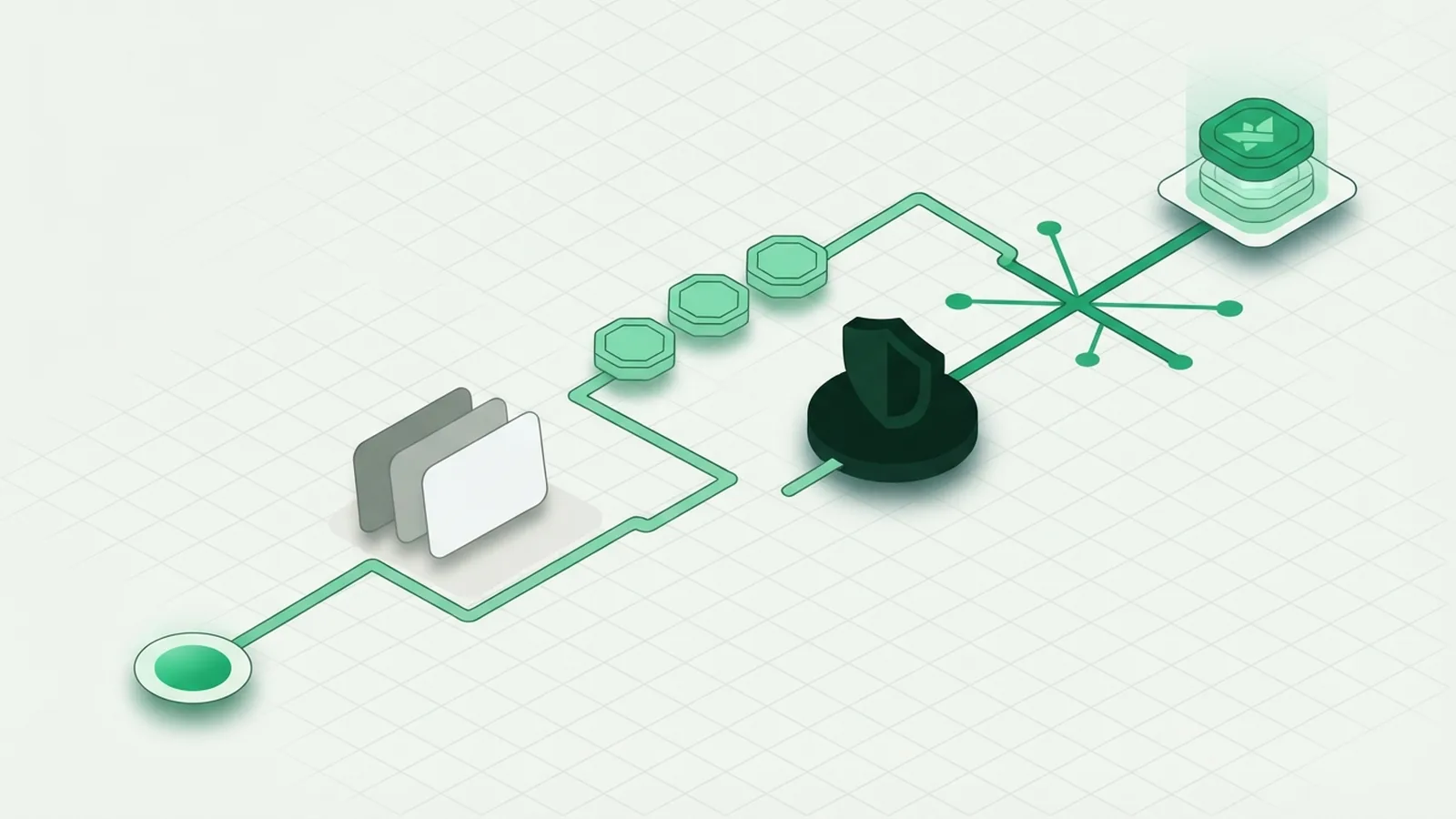
What Is Customer and Merchant Onboarding?
Customer onboarding is the process of helping a new customer reach a useful result. It starts before signup and continues through setup, first use, and early support. A form or account alone does not complete the work. Customers need to know what comes next and how each step helps them.
The merchant onboarding meaning is similar, but the focus is on preparing a business to accept payments. That may include collecting business details, checking key information, setting up payment tools, and confirming readiness. What is merchant onboarding in practice? It is a guided path from application to the first successful payment.
Good customers onboarding gives people clear steps, timely help, and a reason to keep going. For a merchant, that can mean knowing which details to share and when setup is complete. For a software customer, it may mean finishing one task that solves a real problem. The best path depends on the customer's goal.
- Signup: Gather the details needed to begin.
- Setup: Help the customer get ready to use the service.
- Activation: Confirm the customer has reached a first useful result.
- Ongoing help: Support progress after the first result.
Onboarding is the start of the customer lifecycle, not a welcome message. A clear start can shape trust and use for months. Keep that first goal in view.
Why Onboarding Matters for Business Growth
Customers who struggle early may leave before they see the value of a service. A clear process helps them finish key tasks and reach value sooner. It can also cut support requests caused by missing steps or unclear directions. That makes onboarding a core part of customer success.
Strong onboarding can support higher retention and customer satisfaction. It also gives the team an early view of each customer's needs. A small shop may need help taking its first payment. A larger firm may need staff roles, review steps, and team training.
Payments onboarding affects both the merchant and the provider. Delays can hold up a merchant's first sale and add work for support teams. Clear updates help prevent avoidable pauses. Each update should name the next action and say who owns it.
Business onboarding works best when it fits the service and the people using it. One path may suit a simple account, while another needs extra checks. Do not make every customer follow the same route. Match the steps to the real need.
- Set clear expectations before signup is done.
- Make each required task easy to find.
- Offer help when customers are likely to need it.
- Check for a real result, not just a finished form.

Key Steps in the Onboarding Process
Start by learning what the customer wants to do. Ask a few focused questions during signup or an early call. A merchant may want to accept payments soon. A software customer may want to invite a team or finish a key task.
Next, map the shortest safe path to that goal. Mark required steps apart from optional ones. Explain why each detail is needed, what happens after submission, and when the customer can expect an update. A merchant onboarding form should ask only for details that support a clear business need.
For digital onboarding KYC, explain what checks mean and what the customer must provide. KYC means “know your customer.” The exact checks depend on the service and the rules that apply. Keep the request clear, protect personal data, and offer a way to ask for help.
A merchant onboarding portal can give customers one place to submit details and check progress. It should make the next step easy to spot. If the process needs a human review, say so in plain language. A portal is useful only when it reduces doubt and effort.
Use the C.A.R.E framework to shape the customer onboarding process. Convert means the customer joins. Activate means they reach first value. Retain means they keep using the service. Expand means they adopt more features when those features fit their needs.
- Learn the customer's goal and experience level.
- Show the required steps and why they matter.
- Offer help at the point where it is needed.
- Confirm a first result and agree on the next step.
Track progress from the start. That lets the team spot pauses and offer help before interest fades. Successful customer onboarding ends with a result the customer can name.
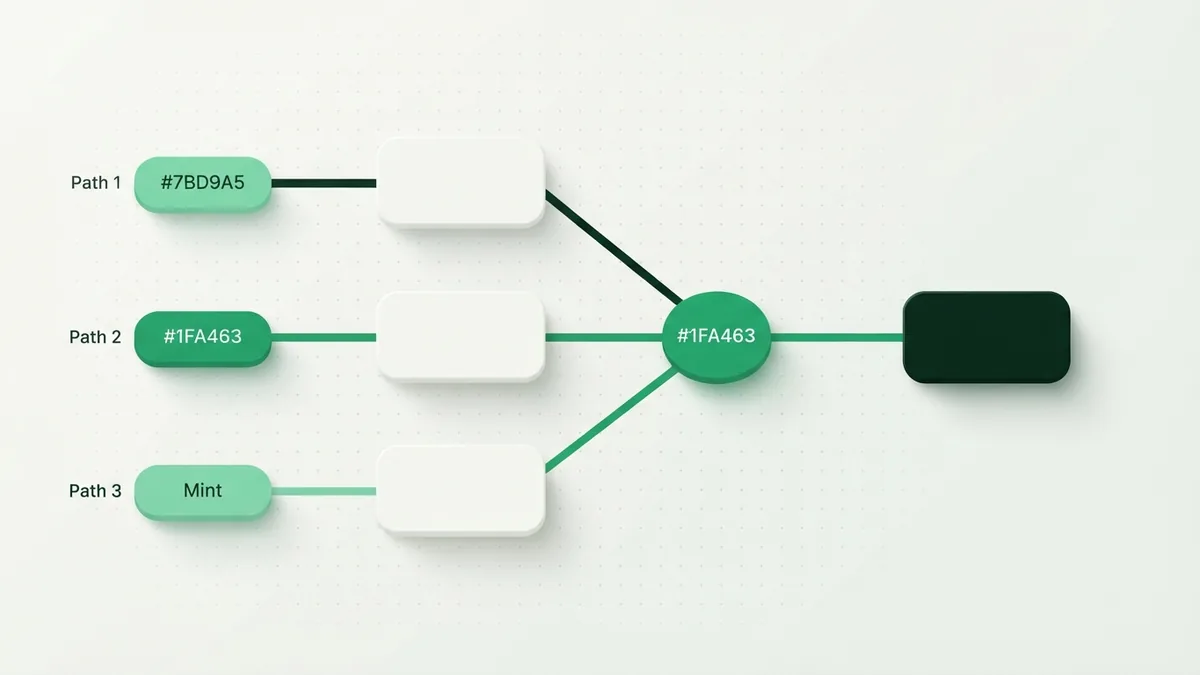
Best Practices for Effective Onboarding
Personalize the process around customer goals, not broad labels. Ask what success looks like, then set the first tasks around that answer. A new merchant who needs to take payments should see payment setup first. They do not need a tour of every account feature.
Use plain language and one clear action in each message. Tell customers what to do, what they need, and what will happen next. If a step needs review, explain that and give a fair time estimate. Clear messages build confidence.
Make help easy to reach. Offer a person for complex questions and short self-serve answers for common tasks. Do not ask customers to repeat details they already shared. When a case moves to another team member, pass along its history.
For onboarding merchants, set a clear owner for each stage. The customer should know who can answer a question and how to raise a concern. Review the process on a phone-sized screen as well as a computer. Digital steps should be easy to complete with a small screen and a steady connection.
Keep the first journey focused. A few useful actions beat a long list of features. Add more guidance once the customer reaches the first goal. That keeps customer engagement tied to real progress.
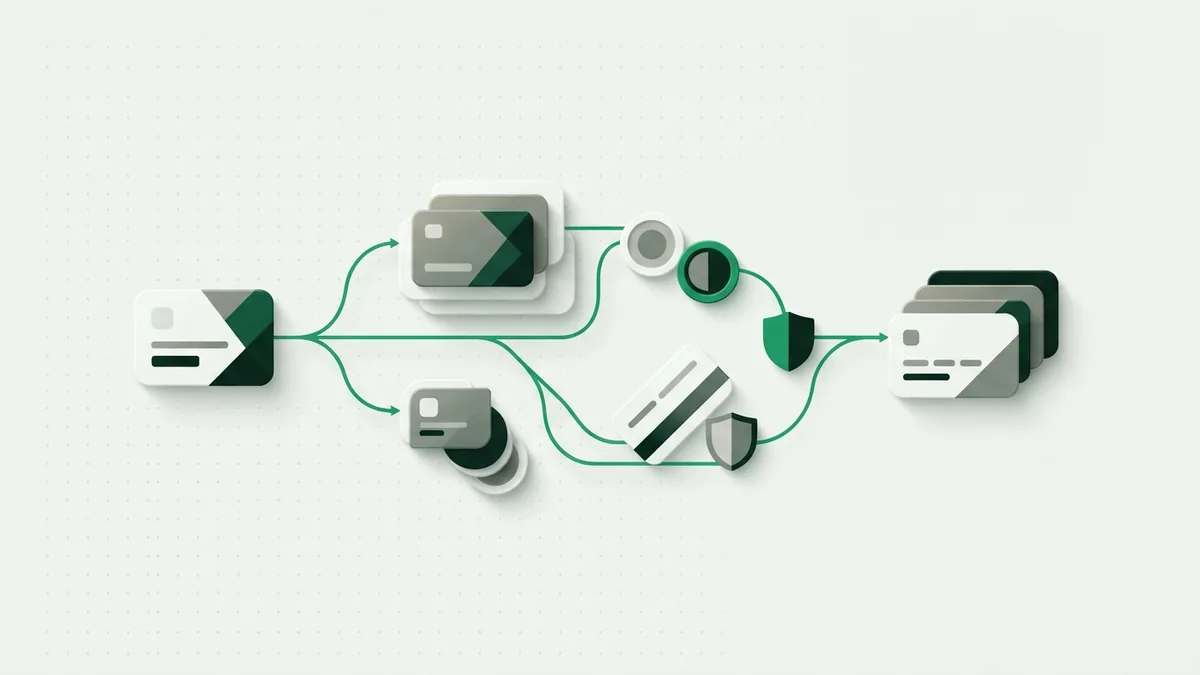
Common Onboarding Challenges and Merchant Risk
Unclear processes are a common source of delays. Customers may not know which documents to send or what follows a review. Fix this with a short checklist, clear examples, and timely status updates. Avoid sending a request without explaining its purpose.
Lack of engagement is another warning sign. A customer may stop partway through setup because the task feels hard or irrelevant. Send a brief, helpful note that names the unfinished step and offers support. Do not send repeated reminders with no new help.
Poor communication can harm trust, especially when a review takes time. Set a realistic time range and update the customer if it changes. In merchant onboarding risk checks, balance a sound review with a simple customer path. Do not promise approval or a fixed outcome before the review is complete.
Some searches ask about sbi merchant onboarding. That phrase may point to a specific bank or service process. Steps and rules can change, so use the bank's own current guidance for account-specific details. Do not assume one provider's path applies to another.
Review failed or paused applications with care. Look for confusing wording, repeated data requests, or tasks that customers cannot finish. Fix the step that causes the pause, then check whether fewer customers get stuck. Small changes can remove a real barrier.
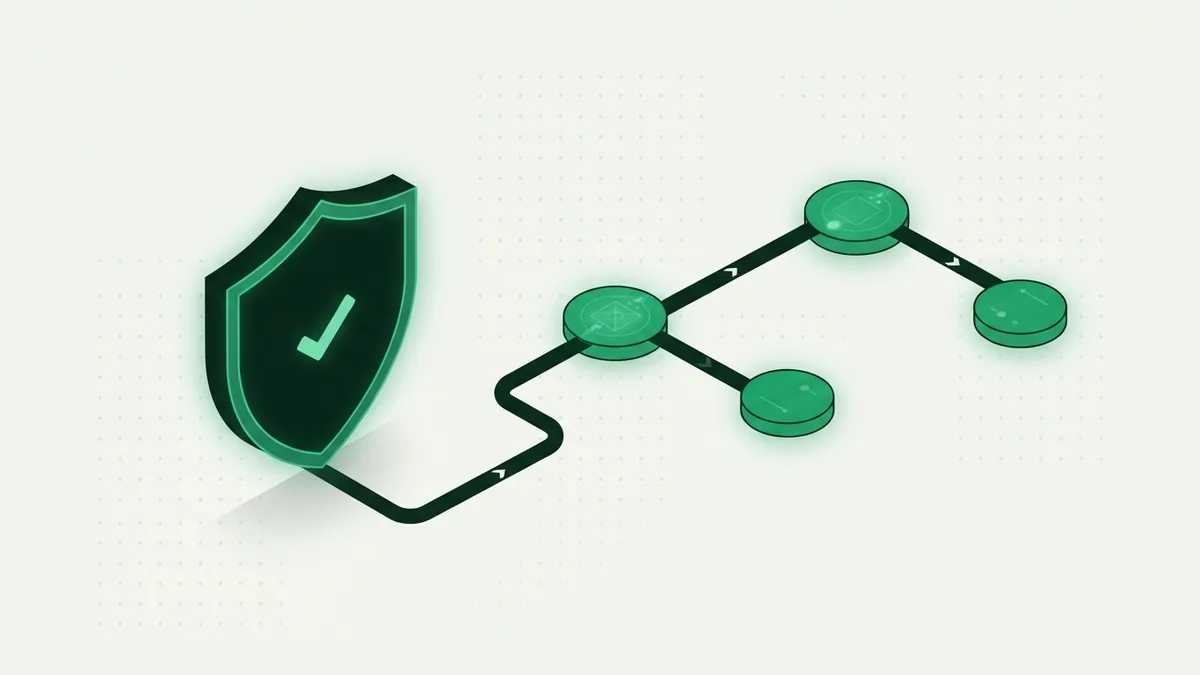
How to Measure Onboarding Success
Choose measures that show whether customers reach value, not just whether they open messages. Track the time from signup to the first useful result. For merchants, that may be the first approved payment or a completed setup milestone. Compare results across customer groups to find uneven delays.
Watch task completion and drop-off at each stage. If many people stop at one request, check its wording and effort. Track support contacts too, but read the reasons behind them. A rise in questions may point to a weak instruction, not a difficult customer.
Retention and satisfaction help show whether the start supports longer use. Ask new customers a short question after setup, then review answers with usage data. No single number tells the whole story. Use several signs together.
Set a regular review with the teams that support sales, setup, and service. Share where customers pause and agree on one change to test. Keep a record of the result. This makes onboarding a process the business can improve over time.
- Time to first useful result
- Completion rate for key setup tasks
- Drop-off at each step
- Support requests tied to setup
- Early retention and customer feedback
Good onboarding helps people move from joining to doing. Keep the goal clear, make each step useful, and check whether customers reach the result they came for.
Frequently asked questions
- What is merchant onboarding?
- Merchant onboarding prepares a business to use a payment service. It can include collecting details, reviewing them, setting up payment tools, and confirming readiness.
- What does customer onboarding include?
- It includes signup, setup, guidance, and support through a customer's first useful result. It can continue after activation as customers learn more.
- How can a business improve merchant onboarding?
- Show the steps, explain why each detail is needed, and give clear progress updates. Offer help when a merchant gets stuck.
- What is digital onboarding KYC?
- It is an online process for gathering customer details and carrying out know-your-customer checks. The checks depend on the service and the rules that apply.
- How do you measure onboarding success?
- Track time to first value, task completion, drop-off, and setup-related support requests. Review these with early retention and customer feedback.
- What is a merchant onboarding portal?
- It is an online place where merchants can submit needed details and check progress. A useful portal makes the next action clear and offers help when needed.
Related reading

Why Do Payments Fail? Causes and Recovery
Find the cause of failed payments and recover more sales without harming trust.

How Do Credit Cards Work?
Understand credit cards, compare them with debit cards, and manage payments wisely.

How Is a Credit Card Different From a Debit Card?
See how each card works, what it costs, and when to use it.