Why Do Payments Fail? Causes and Recovery
Find the cause of failed payments and recover more sales without harming trust.
Understanding payment failures
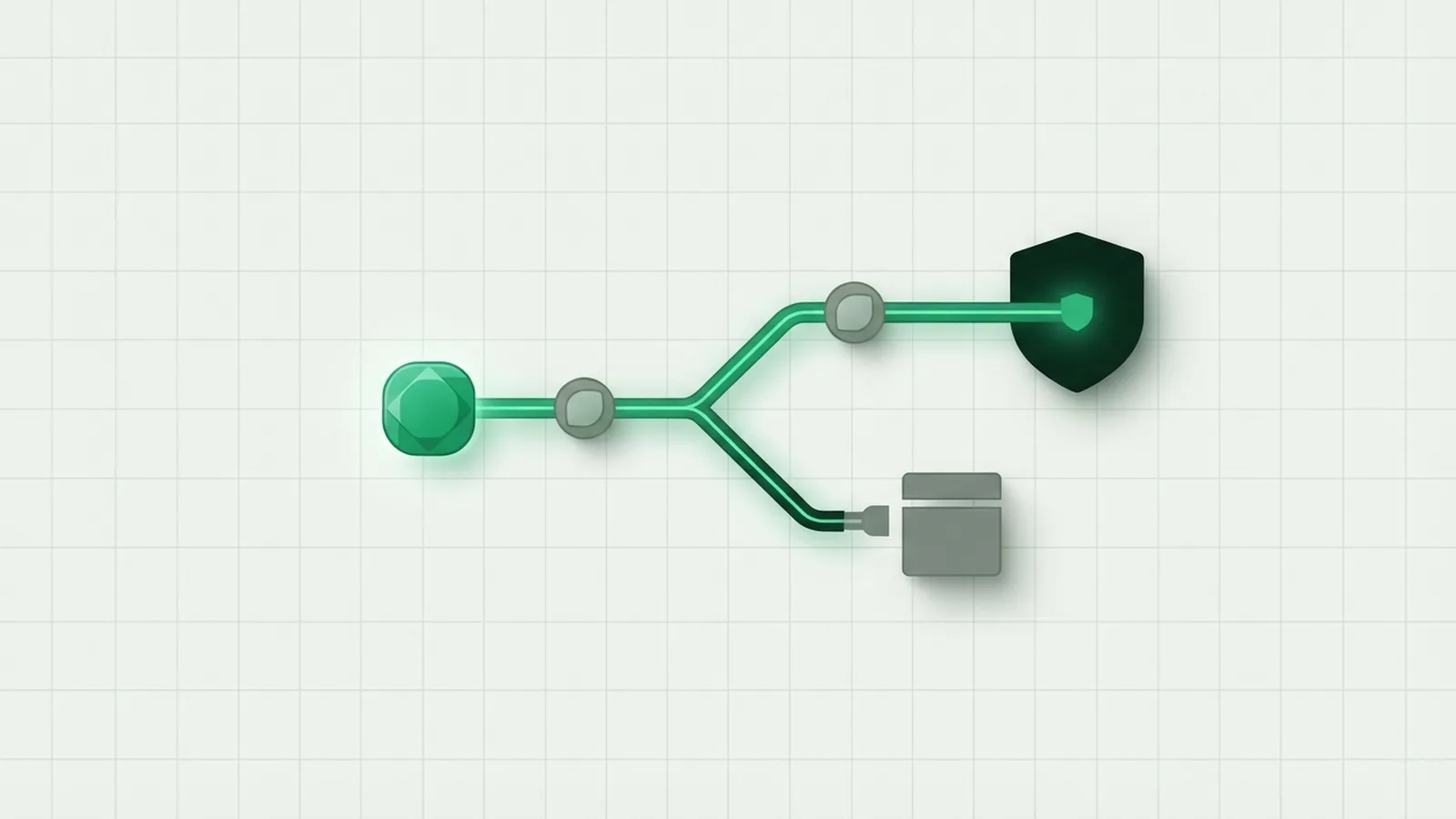
A payment failure means a payment did not finish. The cause could be a bank decision, an expired card, or a fault in your checkout. A failed attempt does not prove that a customer cannot or will not pay. Find the cause before choosing what to do next.
Each payment moves through several parts of a payment flow. These may include your checkout, payment gateway, payment network, and the customer’s bank. A break anywhere along the way can make a transaction fail. The right fix depends on where the break happened.
For a one-time order, a payment fail can delay fulfilment or cost a sale. For subscription billing, a failed renewal can cut off access and drive customer churn. When a willing customer leaves because their payment method stopped working, that is passive churn. Fast, clear recovery can help keep the customer and the sale.
- Check the reason before you retry a payment.
- Give the customer one clear next step.
- Track recovered payments as well as failed attempts.
Use the terms in your logs with care. A “fail payment” or “pay fail” label may describe an outcome, but it does not name the cause. The phrase “transaction fail” is just as broad. Find the response details before you decide how to act.
Common reasons payments fail
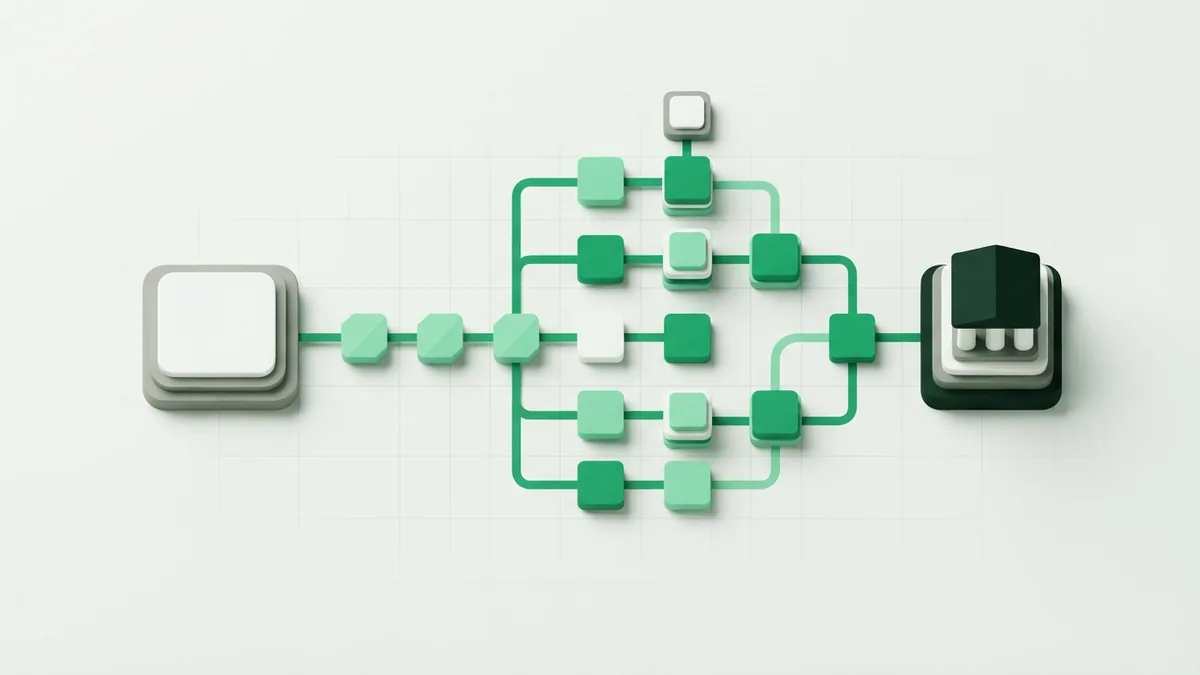
Some failures start with the customer’s account or payment details. There may be too little money available, or the card may have expired. A typo in the card number, security code, or billing address can also stop a payment. Ask the customer to check the details or choose another payment method.
Other payment failures come from technical faults. A gateway may time out, a network may drop a request, or a checkout change may send bad data. If many payments fail at once, check for a shared issue. Compare the time, payment method, and provider linked to each failure.
Risk checks may also block a payment. A bank or payment tool may flag an unusual order. That does not prove fraud. Review the response and your risk rules before asking the customer to try again.
Keep a short record of each failed transaction. Note the time, amount, payment method, and response code. Do not store sensitive card details in support notes. A shared pattern can point to a system change, a bank issue, or a group of expired cards.
Some logs use phrases that are hard to read, such as “this transaction is expected to fail.” Treat that as a warning to check the system’s response and rules. Do not assume it means the customer did something wrong. If the message is unclear, ask your payment provider what it means.
The impact of payment failures
A failed payment delays money coming into the business. It can also add work for support teams, who may need to check orders and answer customer questions. Track the value of failed payments and the share you later recover. This shows whether the problem is growing or getting fixed.
Failed renewals can be more serious for subscription services. A customer may still want the service, even when a renewal fails. If access ends before they see an alert, they may leave instead of fixing their payment details. That lost customer is a form of passive churn.
For example, a monthly plan renews on the first day of the month. The customer’s card has expired, so the renewal fails. A timely notice and a safe way to update payment details may save the order. Repeated charges without a useful alert can cause frustration.
Measure recovery by reason and by customer group. Check how many failed renewals return to paid status within seven or thirty days. Also watch cancellations and support requests after a failure. These figures show whether your recovery steps save revenue and protect trust.
Payment failures and declines are different
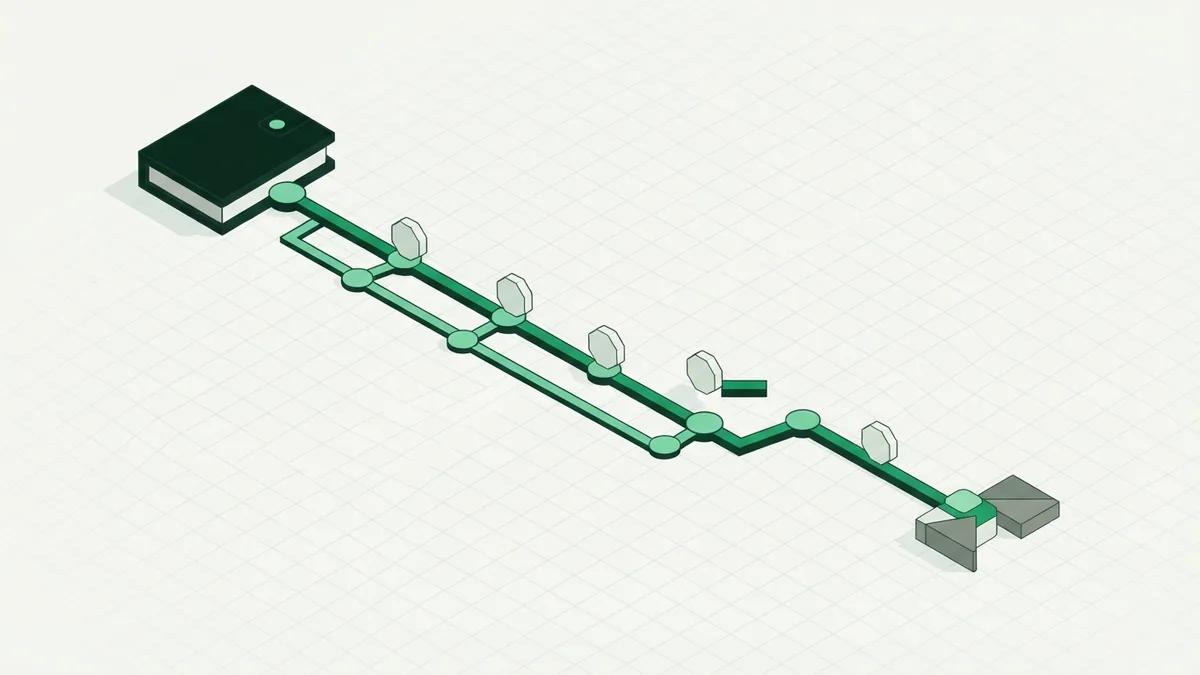
A payment failure is the broad result: the payment did not complete. A decline is one kind of failure, where the bank or payment tool refused the request. A timeout can cause a failure without a clear bank decision. This difference helps teams avoid treating every issue as a customer problem.
A soft decline is often temporary. It may stem from a short bank issue, a request for extra checks, or a temporary limit. A later attempt may work, but an instant retry may not help. Follow the response details and wait if the bank or provider advises a delay.
A hard decline points to an issue that another attempt is unlikely to fix. The card may be closed, invalid, or blocked for that order. Ask the customer to use another payment method or contact their bank. Do not keep retrying without new information.
Decline codes help explain a bank’s response, but code names can vary. Check your provider’s guidance for each code. Stripe’s decline code guide explains common codes and suggested actions. This can help you decide when to retry and when to ask the customer to act.

Ways to recover failed payments
Set retry rules based on the failure reason. A temporary fault may merit a later retry, while a hard decline needs a different payment method. Automated retries can reduce manual work and recover payments that would otherwise be missed. They work best when they respond to the reason, not just a fixed schedule.
Space retries out instead of sending them all at once. For example, you might try again the next day after a temporary issue, then pause before another attempt. Do not use the same plan for every decline. Follow bank advice and local rules, and stop when the response says another attempt will not help.
Some teams describe retry limits with shorthand such as “24 hour more repeat fail order.” This is not a clear rule by itself. Set a precise policy: define the wait time, number of attempts, and reasons that allow another attempt. A 24-hour wait may suit some temporary errors, but it will not fix an expired card.
Tell customers what happened and what they can do next. Send a prompt notice with a secure link to update their payment details. Keep the message calm and specific. Do not claim that a customer failed to pay on purpose when a bank or system issue may be the cause.
Terms like “fail pay” and “fail transaction” may appear in search queries or rough internal notes. Use clear labels in customer messages instead. Say that the payment did not go through, then explain the next step. Clear wording helps customers act without blame.
Build a stronger payment process
Offer more than one way to pay when it fits your business. A second card option or a digital payment method can help when a customer’s usual method fails. Make sure each option works well in your main markets. Review payment success by method and region to find gaps.
Test your checkout after changes to payment tools, billing rules, or order steps. A small change can send the wrong data or interrupt the payment flow. Watch for sudden spikes in failure rates after a release. Keep a record of changes so your team can trace the cause.
Set alerts for unusual patterns, such as a sharp rise in failed payments from one provider. Give staff a clear path to report and review the issue. Keep customer messages separate from technical details. Support teams need helpful guidance, while engineers need precise error records.
Review recovery results each month. Compare failure causes, retry success, customer contacts, and cancellations. Stop rules that add repeat attempts without recovering revenue. A good payment process helps more customers complete an order while avoiding needless charges and confusion.
Frequently asked questions
- Why do payments fail?
- Common causes include low funds, expired cards, wrong details, bank declines, and technical faults. Check the response details to find the likely cause.
- What is the difference between a payment failure and a decline?
- A payment failure is any payment that does not complete. A decline is one type of failure, where a bank or payment tool refuses the request.
- Should I retry a failed payment?
- Retry only when the failure reason may be temporary and the response allows another attempt. For a hard decline, ask the customer to use another method.
- How can failed subscription payments be recovered?
- Use reason-based retry rules and send a clear notice with a secure way to update payment details. Track how many renewals return to paid status.
- How do payment failures affect customer retention?
- A failed renewal can stop access for a customer who still wants the service. Timely alerts and simple payment updates can reduce passive churn.
Related reading

How Do Credit Cards Work?
Understand credit cards, compare them with debit cards, and manage payments wisely.
How Is a Credit Card Different From a Debit Card?
See how each card works, what it costs, and when to use it.
What Is Merchant Onboarding and How Can It Build Trust?
Help customers and merchants reach value sooner with a clear onboarding process.