Payment Processing Flow: From Initiation to Settlement
Understand the payment processing flow from initiation to settlement, plus parts and security.
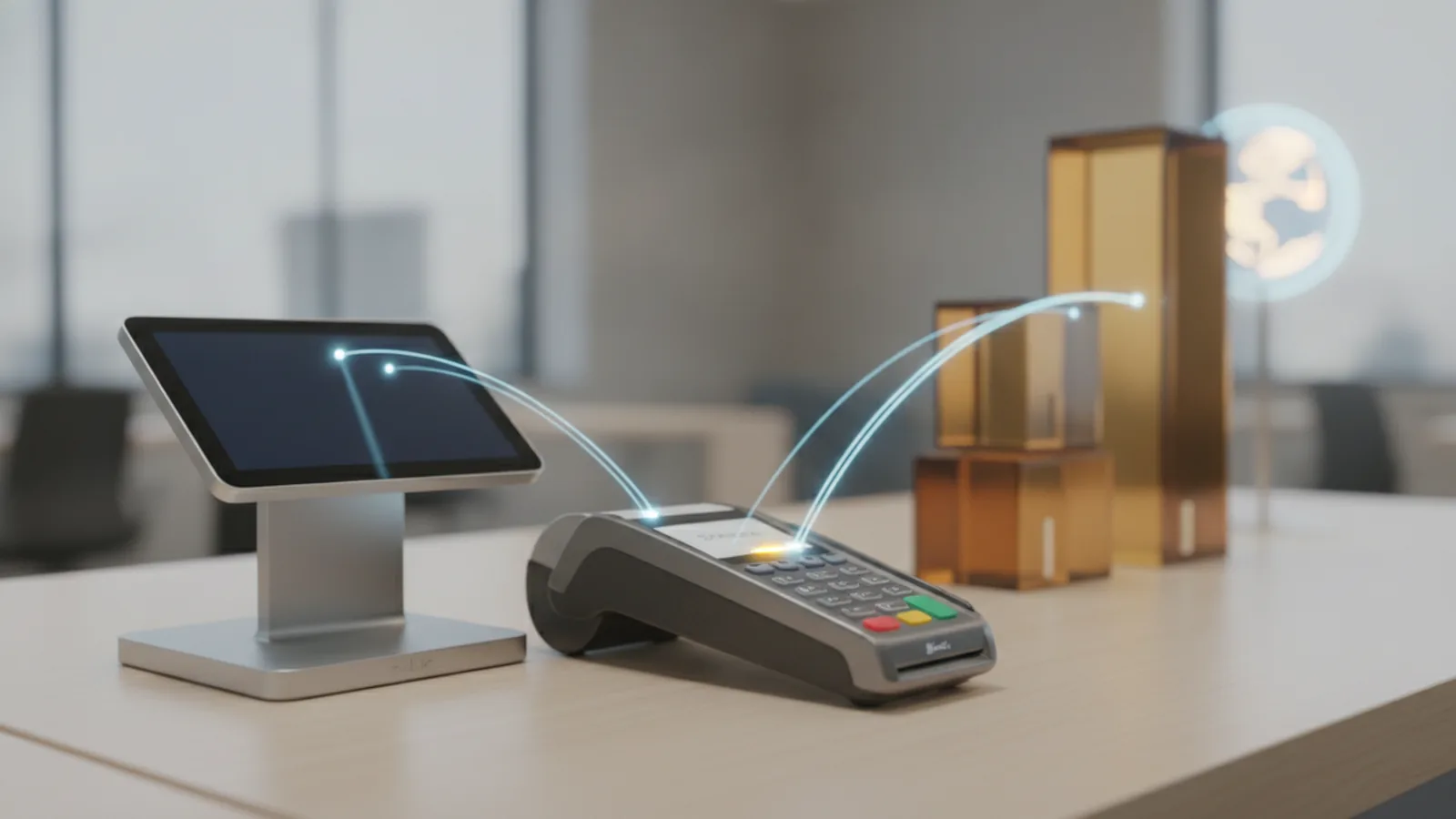
Understanding payment processing
The payment processing flow is the path from pay click to paid funds. It runs between payers, merchants, and banks. It aims to approve payments, then move money safely.
First comes approval. Then comes transaction settlement. Between them, multiple steps check risk and move data across parties.
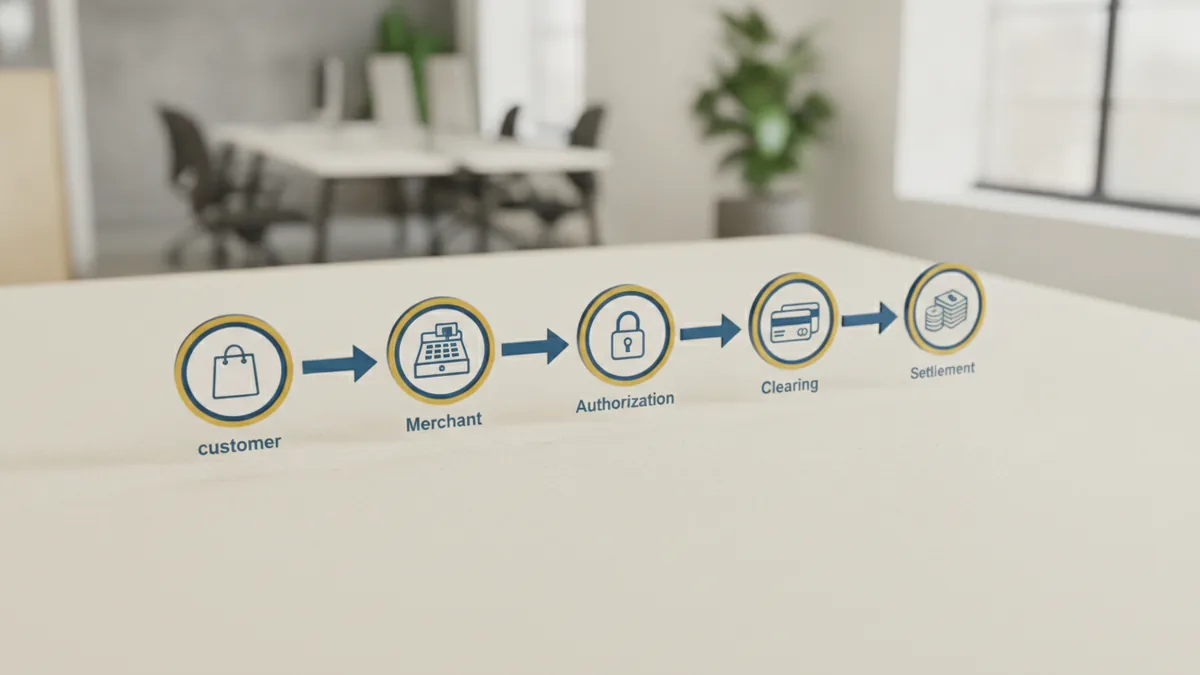
If you need a map, use a payment processing flow chart. Show initiation, authorization, clearing, and settlement. Also note who touches the deal at each stage.
Key components in the payment processing flow
A transaction does not live in one system. It spans checkout, risk checks, and bank rules. Each part has a clear job in the flow.
For card payments, these roles show up again and again. The merchant asks for help. The processor routes messages. The acquiring bank connects to the network. Then the issuing bank decides for the cardholder.
Use this list to build a payment processing system flow chart:
- Customer: the payer who starts the payment
- Merchant: the seller that accepts payment
- Payment method: card or digital wallet funding source
- Payment gateway: sends data securely to the processor
- Payment processor: handles routing and payment calls
- Acquiring bank: links the merchant to the network
- Card network: routes the message to the issuer
- Issuing bank: approves or declines the payment
Track each area when you debug issues. A slow gateway can raise delays. A strict issuer rule can raise declines. Knowing the owner speeds up fixes.

Step-by-step payment processing flow
A credit card processing flow chart often follows the same phases. Your setup may vary, but the core order holds. You initiate, get an answer, then settle later.
1) Transaction initiation
The customer submits the payment in checkout. The merchant then asks for an approval. This starts the payment processing flow.
2) Payment authentication and verification
The system checks payer risk and account signals. It may also run extra checks based on card rules. This stage helps with payment verification and fraud prevention.
3) Payment authorization
The processor sends an auth request to the network. The issuing bank checks funds and rules. It returns an approval or a decline with a reason.
4) Clearing
Approved payments enter batch work. Banks exchange records for later movement. This is the clearing phase.
5) Transaction settlement
Settling moves money to the merchant account. Fees are usually taken before payout. The timing depends on your bank schedule.
- Initiate at checkout and submit payment data
- Encrypt data and send it to the processor
- Request payment authorization from your stack
- Get approve or decline from the issuer
- Clear approved transactions in batches
- Settle funds to the merchant account
Run this as a practical example. A shopper hits pay. The system asks for authorization right away. If approved, the deal clears. Then it settles on schedule.
Authorization rates are your main early signal. Declines reveal where friction sits. Split declines by reason, then test changes in small steps.

Payment gateway vs payment processor
A payment gateway and a payment processor do not do the same job. Think of it as two layers. One layer protects data. The other layer runs the payment call.
A payment gateway sits near checkout. It encrypts card data before it travels. It may also use tokenization to reduce stored card data.
A payment processor runs the back-end payment path. It sends auth calls to banks and networks. It also manages retries and sends status back to the merchant.
Some firms bundle both layers. Even then, separate them in your mind. It helps when you see timeouts or data errors. You can then fix the right layer first.
Payment processing best practices for higher approvals
Start with data. Measure auth rate, decline rate, and time to auth. Also separate soft failures from hard declines.
Approvals matter because only approved deals settle. If approvals drop, revenue drops too. Small tuning can often lift the approval rate.
Here are payment processing best practices tied to the flow:
- Cut checkout friction: ask for fewer fields and keep forms quick
- Retry with care: retry only safe failures with id rules
- Match payment methods: offer options that fit shopper intent
- Review decline codes: group declines by issuer reason and action
- Tune fraud rules: block bad flow without blocking good payers
For cross-border sales, multi-currency processing needs checks. Confirm how your fees apply and which currency settles. Also verify card types and local methods you support.
Make reconciliation easy too. Orders need a clear payment ID. Then finance can match payouts to sales. This reduces month-end pain.
Why security is essential in transactions
Security is not one step. It is a chain that spans the full payment processing flow. It protects card data and limits fraud attempts.
PCI DSS compliance is a key rule for card data handling. It sets how systems must guard card data. Even if you do not store card data, your stack should meet the bar.
Encryption protects data while it moves over the network. It lowers the risk of data theft during transit. Tokenization then swaps sensitive numbers for tokens.
Tokenization reduces value if data leaks. Attackers get tokens, not raw card numbers. That is a core payment security measure in many stacks.
Fraud prevention also runs during payment verification. Systems may use device signals and behavior speed checks. The goal is fewer fraud hits, plus fewer false blocks.
If you document your setup, do it by stage. Mark where encryption happens. Mark where tokens are made. Then note where logs live and who can read them.
Trends and innovations in payment processing
Payment processing keeps changing as fraud tactics evolve. Customers also want fast and easy checkout. So the flow keeps getting smarter.
Digital wallets are a major driver. They often use tokens instead of raw card data. That can speed checkout and improve trust. It also changes the signals used in authorization.
Fraud tools are getting more dynamic. Many systems use real-time risk scores during authorization. That can cut false declines when shoppers look legit.
Multi-currency processing is also improving. Merchants want clearer settlement views. They want fewer surprises in exchange timing and fees.
Another shift is payment orchestration. Orchestration can reroute calls and manage retries. It can help keep approvals high during partial outages.
| Trend | What shifts in the flow | Common merchant gain |
|---|---|---|
| Digital wallets | Token-based pay checks during auth | Faster checkout with less data exposure |
| Smarter fraud checks | Real-time risk score on auth calls | Lower fraud with fewer legit declines |
| Orchestration | Smart routing and safe retries | Higher approvals and steadier uptime |
Frequently asked questions
- What is the payment processing flow from start to finish?
- It starts at transaction initiation in checkout. Then comes payment authorization. Next are clearing and transaction settlement.
- What are the key components in a payment processing system?
- Common parts include the customer, merchant, payment method, gateway, and processor. It also includes acquiring bank, card network, and issuing bank.
- How do authorization and settlement differ in payment processing?
- Authorization is the approve or decline decision from the issuing bank. Settlement is when cleared funds move to the merchant account.
- What is the difference between a payment gateway and a payment processor?
- A gateway encrypts and sends payment data to the processor. A processor routes calls for authorization and manages transaction handling.
- Why do payment declines matter for optimization?
- You only settle approved payments. Reviewing decline codes helps you find fixable causes and tune checkout and risk rules.
- What payment security measures should I expect in the flow?
- Expect PCI DSS compliance where it applies. Expect encryption in transit and tokenization to reduce exposure of card data.
Related reading
What Is Mastercard and How Does Its Payment Network Work?
Mastercard links banks, merchants, and shoppers through a global payment network.

What Is a Merchant, and Where Do They Fit in Payments?
A clear guide to merchants, trade, online sales, and payment IDs.
Payment Details Meaning: What They Are, Why They Matter, and Examples
Payment details meaning explained with clear examples and ACH guidance.