What Does Processing Mean in Payments and Banking?
See how payment processing works and what bank transaction statuses mean.

What processing means
Processing means handling data or a transaction to produce a result. In payments, that result is a completed transfer of funds. In other settings, processing might sort records, check details, or update information.
The word describes work in progress, not always a finished outcome. A payment marked “processing” may still need approval or final settlement. The exact meaning depends on the service and the step it has reached.
For example, a shop may send a card payment for review. The bank checks the request, then the payment network moves funds between accounts. Each part helps manage the transaction and confirm its status.
Common types of processing
Processing can refer to several kinds of work. Data processing changes, sorts, or stores information. Payment processing handles money transfers. Bank processing covers the steps a bank takes to post deposits, withdrawals, and transfers.
These meanings share one idea: input is checked and handled under a set process. The input could be a file, a payment request, or a bank instruction. The output could be an updated record or a change in account balance.
- Data processing: Organizes or updates information, such as a list of customer records.
- Payment processing: Checks and moves a payment request through the payment system.
- Bank processing: Reviews and records account activity, such as deposits or transfers.
Knowing the context helps prevent confusion. If a bank says it is processing a deposit, it usually means the bank has received the instruction but has not finished posting it.
What happens when a payment is processed?
What does processing a payment mean? It means the payment request is moving through checks and money-handling steps. A card payment often starts when a customer pays a merchant. The merchant sends the request through a payment gateway or payment tool.
First, the card issuer checks the account and approves or declines the request. This step is called authorization. Approval confirms that the payment can proceed, but it does not always mean the money has reached the merchant.
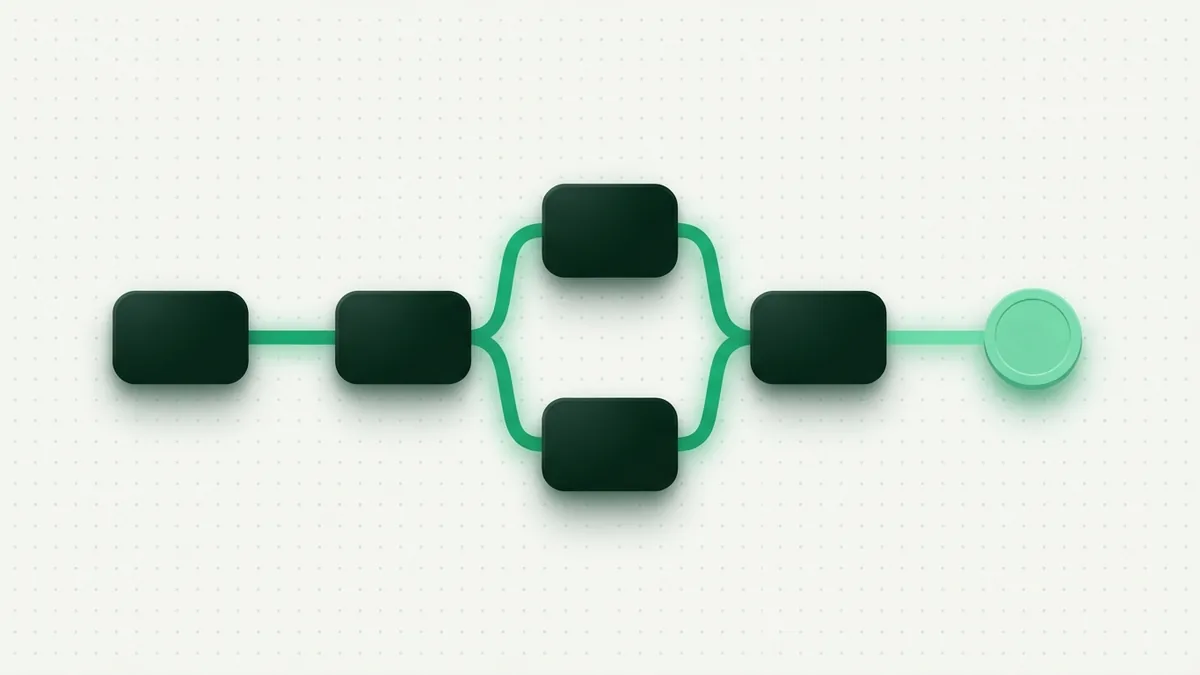
Next, approved payments may be grouped into a batch for handling. During clearing, payment details are shared and amounts owed are worked out. Settlement is the later movement of funds between financial institutions.
- Authorization: The issuer checks the request and approves or declines it.
- Batching: The merchant groups approved payments for processing.
- Clearing: The parties share payment details and work out what they owe.
- Settlement: Funds move between the banks or payment providers.
So, does processing mean a payment went through? Not by itself. “Processing” often means the request is still being handled. Look for a final status, such as completed, posted, declined, or reversed.
Why bank processing matters
What does bank processing mean? It is the work a bank does to review, route, and record account transactions. This can include deposits, withdrawals, bill payments, and transfers between accounts.
When someone asks what processing means in a bank account, they may be looking at a transaction marked pending. The bank may have received the request, but it might still need to check details or wait for another bank. The balance shown may not yet reflect the final amount.
Bank processing helps keep account records accurate and reduces the risk of duplicate or incorrect payments. It also helps banks confirm that an instruction has the required details. A delay does not always signal a problem.
For example, a transfer sent late on Friday may not move like one sent during a business day. Weekends and bank holidays can affect when banks handle some transfers. The timing also depends on the transfer type and the banks involved.

How long processing takes, and what statuses mean
Processing time varies by payment method. A card payment may receive an approval response in seconds. The merchant may still wait longer for settlement and for the funds to appear in its account.
Bank transfers can take longer. Some domestic services move funds within minutes, while other transfers may take one or more business days. International transfers can take longer still, based on the route, banks, and local rules.
Check the payment provider’s stated time frame before treating a delay as an error. Compare the transaction date with business days, not just calendar days. If the status stays unchanged past the stated window, contact the bank or provider with the transaction details.
- Pending: The request is underway or awaiting a check.
- Completed or posted: The provider says the transaction has finished its main steps.
- Declined: The issuer or provider did not approve the request.
- Reversed or refunded: Funds are being returned or the earlier charge was undone.
Status labels vary between banks and payment services. A pending card charge may later change, disappear, or post for a different final amount. The merchant can also take time to submit an approved charge for settlement.
Common questions about processing
Does processing mean payment went through? No. It usually means the payment is still moving through one or more steps. Check for a final status before assuming the funds have moved.
Why is a bank transfer still processing? The bank may be checking the details or waiting for the next processing window. Weekends, holidays, and the type of transfer can affect timing.
Can a processing payment fail? Yes. A payment may be declined or reversed before it finishes. Contact the provider if the status does not change within its stated time frame.
Is authorization the same as settlement? No. Authorization is an approval to proceed. Settlement is when funds move between the financial institutions.
Making sense of processing terms
Processing is a broad term for handling information or transactions until a needed result is reached. In payments, it covers steps that check a request and move funds. In banking, it includes reviewing and recording account activity.
A processing status does not always confirm that payment is complete. The method, bank, and timing all shape what happens next. Read the status details and the provider’s time estimate before taking action.
Frequently asked questions
- Does processing mean a payment went through?
- No. Processing usually means the request is still underway. Check for a final status, such as completed, posted, declined, or reversed.
- What does processing a payment mean?
- It means the payment request is being checked and handled through steps such as approval, clearing, and settlement. Those steps may not all finish at once.
- What does bank processing mean?
- Bank processing is the work a bank does to review, route, and record transactions. It can cover deposits, withdrawals, and transfers.
- Why is my bank transfer still processing?
- The bank may be checking the transfer or waiting for its next processing window. The transfer type, weekends, and holidays can affect timing.
- How long does payment processing take?
- Timing depends on the payment method and provider. Card approval may take seconds, while some bank transfers take one or more business days.
Related reading

What Is Flutterwave? How Its Payment Tools Work
Learn how Flutterwave helps businesses take and manage digital payments.
What Is Credit Card 3D Secure?
See how 3D Secure verifies cardholders and can protect online payments.

What Is a Payment Flow? How Card Payments Move
See how card payments move from checkout to approval, and what makes a flow work well.