What Is a Merchant Acquirer, and What Does It Do?
See how acquirers connect merchants to card networks and manage payment risk.
What is a merchant acquirer?
A merchant acquirer is a financial firm that helps businesses accept credit and debit card payments. It is also called an acquiring bank or card acquirer. In banking, the acquirer works on the merchant’s side of a card payment.
The phrase merchant acquirer meaning points to the firm that supports a merchant account and connects the business to card networks. The phrase card acquirer meaning describes the same role. An acquirer may be a bank, or a payment firm backed by a bank.
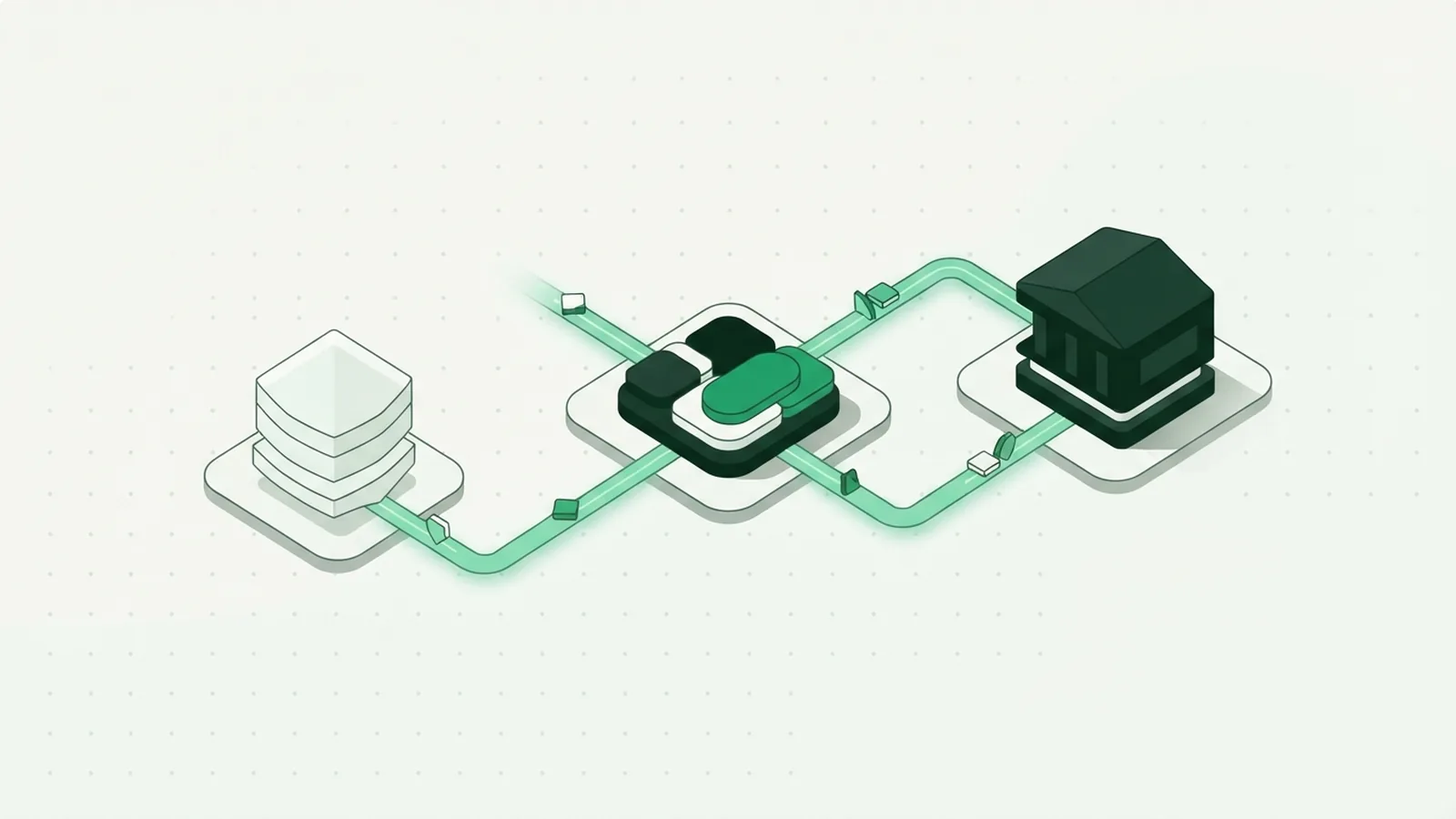
To understand what is a merchant acquirer, picture a shop taking a $40 card payment. The acquirer helps route the request to the customer’s bank. If approved, the payment enters settlement and the merchant later receives the funds, minus fees.
Acquirers review businesses before they begin taking payments. They set account terms and may hold funds to cover refunds or disputes. That work means they share risk when a merchant cannot meet its payment obligations.

How merchant acquirers work in payments
What does a merchant acquirer do when a customer pays? It helps send the payment request through the card network to the bank that issued the customer’s card. That bank checks the account and approves or declines the request.
Approval does not mean the merchant has received the money. It means the issuing bank has agreed to the payment and may set aside the funds. Later, financial firms settle the amounts owed, and the acquirer pays the merchant under its schedule.
The exact path can vary by provider and checkout setup. A gateway can securely send payment details from a website or point-of-sale system. A processor or acquirer then handles the next steps in the payment flow.
- Merchant: Takes the customer’s payment and sends a request.
- Acquirer: Connects the merchant to card networks and supports settlement.
- Card network: Routes payment messages between firms.
- Issuing bank: Checks the customer’s account and approves or declines.
Settlement times depend on the provider, country, payment type, and risk level. Many merchants receive funds within a few business days. Holds or reserves can extend that wait.
Merchant acquirer vs merchant processor
Merchant acquirer vs merchant processor is a common point of confusion. An acquirer provides or sponsors the merchant account and holds the business relationship. It also has duties tied to settlement, risk, and card network rules.
A processor handles the technical work that moves payment data between parties. It can send payment requests, return approval results, and prepare settlement records. Some firms offer both services, so one company may act as acquirer and processor.
A gateway has a narrower job. It sends payment details from the checkout to a processor or acquirer. Using a gateway does not, by itself, mean the business has an acquiring bank or merchant account.
Ask who holds the merchant account, who pays out funds, and who handles disputes. These questions help reveal which firm takes each role. They also show where the merchant should go when a payment issue arises.
PayFac vs merchant acquirer and merchant of record
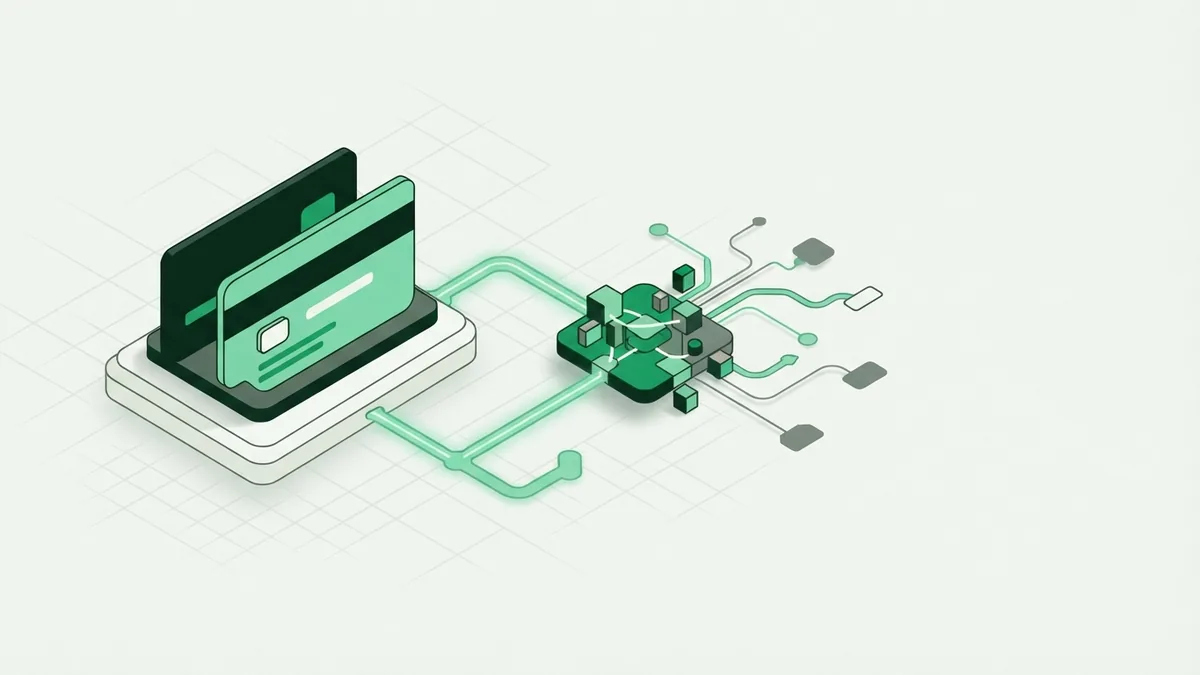
PayFac means payment facilitator. In a payfac vs merchant acquirer comparison, a PayFac lets many businesses accept payments under its main account structure. The facilitator handles much of the setup, while the underlying acquirer supports the account and payment flow.
This model can make signup faster for smaller firms. The trade-off is that the business may have less direct control over its account terms. It should check who sets reserves, reviews risk, and can pause payouts.
People also ask, what does merchant of record mean? A merchant of record is the business shown as the seller for a payment. It takes responsibility for the sale, including tasks such as refunds and customer payment questions.
A merchant of record is not simply another name for an acquirer. One business sells the product, while the other helps process card payments. A provider may offer both services, but the contract should state which party owns each duty.
Chargebacks, fraud, and merchant risk
A chargeback starts when a cardholder asks their bank to challenge a payment. The reason may be an unknown charge, a missing order, or suspected fraud. The issuing bank reviews the claim and may return the funds while it looks into the case.
The acquirer passes dispute details to the merchant and helps send evidence through the card network. Useful evidence can include delivery records, refund details, and customer messages. Fast, clear replies can help the merchant make its case.
Acquirers face losses when a merchant cannot cover refunds, disputes, or unpaid fees. They may set a reserve, delay payouts, or close an account if losses rise. A reserve is money held back to cover possible claims.
Merchants can lower risk with clear billing details, fair refund terms, and proof of delivery. They should also watch for unusual payment patterns. A steady review can catch problems before they lead to a rise in disputes.
Choosing a merchant acquirer
Compare acquirers based on the way your business sells and where your customers live. Global coverage matters if you take payments across borders. Check which countries, card types, and currencies the provider supports.
Read the full fee terms, not just the headline rate. Ask about monthly charges, chargeback fees, payout timing, and reserve rules. A low rate may not help if holds or extra costs disrupt cash flow.
Risk support matters too. Ask how the acquirer reviews new businesses and what records it may request. Find out how it handles fraud alerts, disputes, and account reviews.
- Check support for your sales countries and payment types.
- Compare payout timing, reserves, and all listed fees.
- Ask how disputes and fraud reviews are handled.
- Confirm who holds the account and who can pause payouts.
Also check whether the provider works with your checkout tools and business model. A shop with simple local sales may need a different setup from a firm selling worldwide. Choose the arrangement whose costs, risk terms, and support fit your day-to-day needs.
Frequently asked questions
- What is a merchant acquirer?
- A merchant acquirer is a financial firm that helps a business accept card payments. It connects the business to card networks and supports its merchant account.
- What does a merchant acquirer do?
- It helps route card payment requests, supports settlement, and pays funds to the merchant. It may also review account risk and help manage disputes.
- What is the difference between an acquirer and a payment processor?
- An acquirer supports the merchant account and the business relationship. A processor handles the technical movement of payment data, though one firm can do both.
- What is the difference between a PayFac and a merchant acquirer?
- A PayFac helps many businesses start taking payments through its account setup. An acquirer supports the merchant accounts and payment flow behind that service.
- What does merchant of record mean?
- The merchant of record is the business shown as the seller for a payment. It is responsible for the sale and related duties, such as refunds.
- How should a business choose a merchant acquirer?
- Compare supported countries, fees, payout timing, reserve terms, and dispute support. Confirm who holds the account and who can pause payouts.
Related reading

What Is Flutterwave? How Its Payment Tools Work
Learn how Flutterwave helps businesses take and manage digital payments.

What Is Credit Card 3D Secure?
See how 3D Secure verifies cardholders and can protect online payments.

What Is a Payment Flow? How Card Payments Move
See how card payments move from checkout to approval, and what makes a flow work well.