Credit Cards vs Debit Cards vs Prepaid Cards: What’s the Difference?
Debit pulls from checking. Credit borrows later. Prepaid loads funds first.
Card basics in plain terms
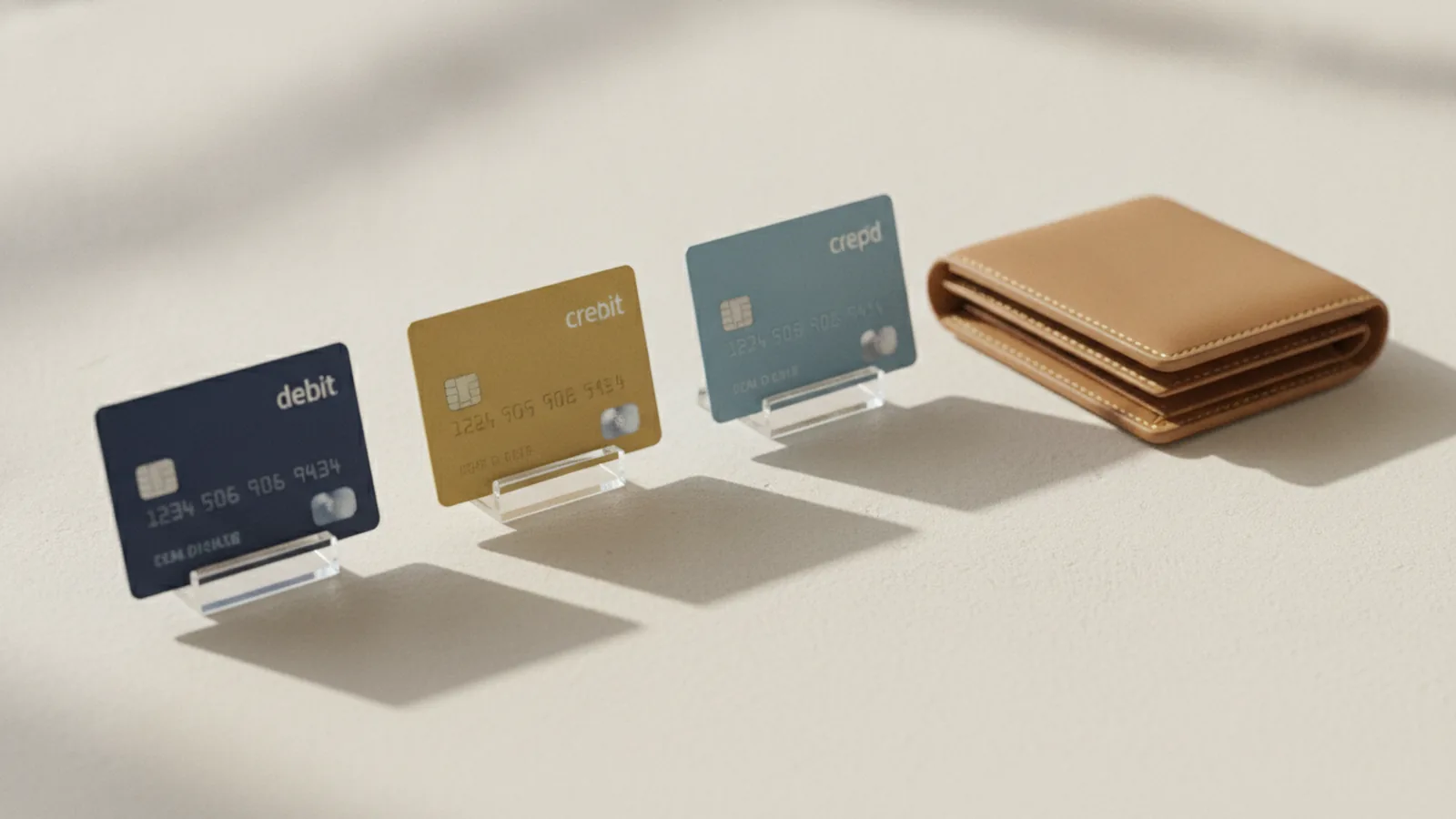
The quickest answer is this. A debit card spends money you already have in your checking account. A credit card lets you borrow up to a limit and repay later. A prepaid card lets you spend only what you load onto it first.
If you remember one thing, remember the money source. Debit cards use available funds right away. Credit cards use a borrowed balance that becomes a payment due date. Prepaid cards use a stored balance that runs out when spent.
This difference affects budgeting, fraud handling, and even which rewards you might get. It also changes how big purchases and emergencies feel in the moment. For many people, picking the right mix is more useful than picking just one.
- Debit: checking account first, purchase is immediate.
- Credit: borrow up to a limit, pay later.
- Prepaid: load funds, spend until balance hits zero.
How debit cards work
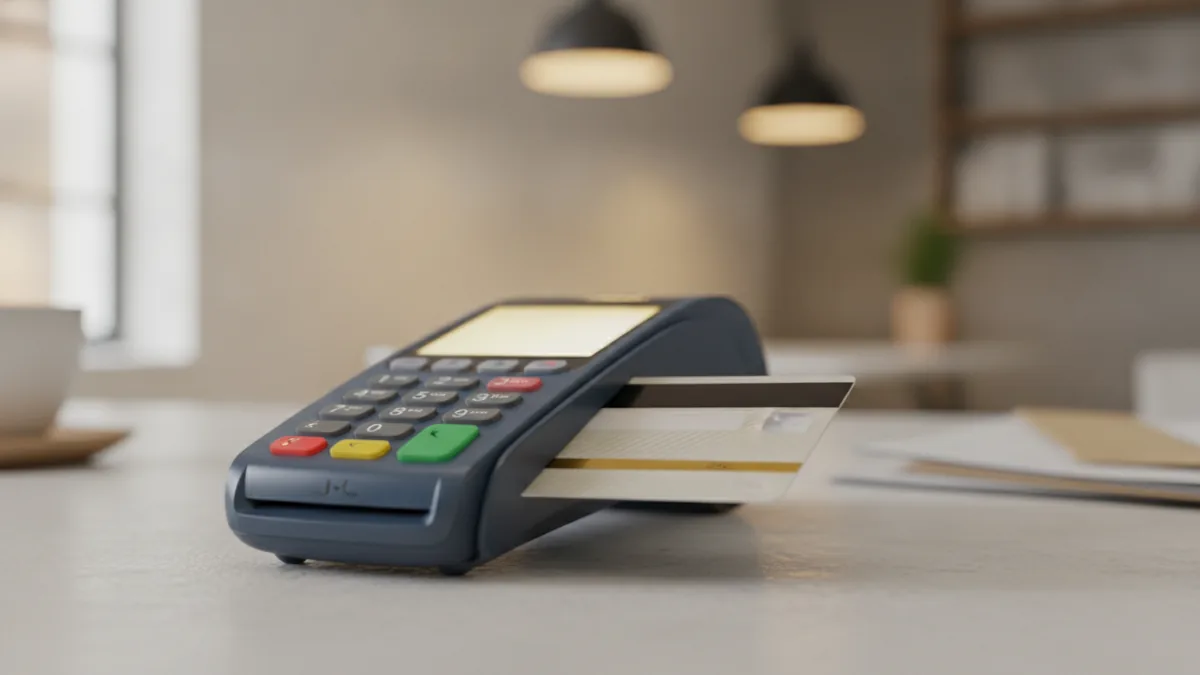
A debit card is tied directly to your checking account, often through a bank or credit union. When you swipe or tap to pay, the transaction pulls funds from your account. In most cases, the available balance drops quickly, which makes spending limits feel real and immediate.
This is the core debit card difference credit card point. With debit, you are not borrowing. You are spending your own money, so overdraft rules become the main risk to manage.
Debit cards can also help with everyday logistics like ATM access. You can withdraw cash when you need it, subject to network and bank rules. Many debit cards also let you deposit checks through the same banking relationship.
For financial budgeting, debit cards are often simpler. You can set a low daily or monthly spending habit because the card only works when the checking balance allows it. That can reduce impulse spending without needing extra budgeting apps.
| Debit card feature | What it means |
|---|---|
| Funding source | Money from your checking account |
| Spending limit | Available balance, plus any overdraft terms |
| Budget fit | Often aligns with “spend what you have” |

How credit cards work
A credit card lets you borrow money up to a set credit limit. Each month you get a statement showing what you charged. Then you choose how much to pay by the due date.
This is the credit card difference between debit card that matters most. Credit cards don’t drain your checking account at purchase time. They create a balance that becomes a bill later.
If you pay in full, you often avoid interest on purchases. If you carry a balance, interest can add up based on the card’s APR (annual percentage rate). That makes credit cards powerful for timing, but risky when you treat them like free money.
Credit cards can also support building credit. Payment history and your use of the credit limit can affect your credit reports. Paying on time and keeping balances well below your limit tends to be healthier for your score over time.
Many credit cards include rewards programs and perks. Common examples include travel benefits, purchase protection, or cash back categories. Even when rewards seem small, they can help offset costs if you pay on time and stay within budget.
- Borrowing: you spend now, pay later.
- Interest: can apply if you don’t pay the full balance.
- Credit history: can improve when you pay on time.
- Perks: may include rewards or travel benefits.

Key differences that affect your wallet
The debit card difference between credit card is easiest to spot in four areas. Funding source, timing of payments, credit building, and cost if you carry a balance. Once those are clear, comparing terms becomes much less confusing.
First, consider funding source. Debit uses checking funds immediately. Credit uses a lender’s money and turns your charges into a monthly repayment plan. Prepaid cards are different again, because they use only the loaded balance.
Next, consider timing. Debit transactions reduce your available balance right away. Credit charges show up on a statement, so you get time before money leaves your account. That time can help cash flow, but only if you plan to pay.
Third, consider credit building. Debit cards typically do not report to credit bureaus for “building credit.” Credit cards can help when they report balances and payment performance. This is why many people use credit for key bills and save debit for controlled spending.
Finally, consider costs. Debit costs usually show up as fees or overdraft charges. Credit costs often show up as interest and potentially late fees if you miss payments. Rewards can offset some costs, but they do not replace good payment habits.
| Topic | Debit card | Credit card | Prepaid card |
|---|---|---|---|
| Where money comes from | Checking account | Borrowed credit | Loaded balance |
| Repayment timing | No monthly bill for purchases | Monthly bill after statement | No bill after purchase |
| Credit score impact | Usually none for spending | Possible via reporting | Usually none |
| Rewards and perks | Not common | Common | Sometimes fees or promos |
Advantages and disadvantages of each card type
Each card option has strengths and tradeoffs. Debit often shines for everyday purchases and spending limits because it relies on what you already have. The downside is that fees or overdraft rules can surprise you if your account dips lower than expected.
Credit cards shine when you can pay on time and want to grow building credit. They also help with certain big-ticket purchases because you can spread the cost over time. The downside is that carrying balances can make purchases more expensive than you expected.
Prepaid cards sit between the two in a practical way. The difference between debit card and prepaid card is that prepaid cards require loading funds first. Debit is connected to a bank account and can be affected by your available balance and bank policies.
Fraud handling also differs. Debit cards access existing funds directly, so unauthorized transactions can feel like lost cash immediately. Credit cards may allow more time to report fraud because the lender is not taking directly from your checking account at the moment of purchase. In real life, speed still matters, but the money path changes your first reaction.
Here’s a practical way to weigh the tradeoffs. Ask what you want most: strict budgeting, credit building, or spending control without a bank account linkage.
- Choose debit if you want spending to track your checking balance.
- Choose credit if you want credit history and potential rewards.
- Choose prepaid if you want a “loaded funds” approach.
- Use both when you want one for control and one for credit building.
Choosing the right card for your situation
Start by mapping your goal to a card type. If your main goal is strict financial budgeting, debit is usually the cleanest tool. If your goal is to build building credit, a credit card that reports to credit bureaus is typically the better path.
Next, check how you handle due dates. If you can reliably pay the statement balance on time, credit can be low cost. If you sometimes miss bills, debit can reduce the risk of interest charges and late fees.
Then, consider fraud comfort and cash access. Debit cards can be convenient, but stolen card details may hit your account balance quickly. Credit cards often separate “borrowed money” from your cash reserves, which can make recovery feel calmer.
Finally, choose what fits your routines. Many people use debit for daily buys and use credit for larger purchases they can pay off quickly. Others keep a prepaid card for travel days when they want a tight spending envelope.
- If you want to avoid debt, prioritize debit and prepaid.
- If you want rewards, use credit and pay in full when possible.
- If you need predictable spending, match card type to your cash flow.
- If you rely on ATM access, confirm fees and network rules.
Real-world usage scenarios
Think through common situations rather than card features alone. For everyday groceries and gas, debit often fits because it keeps spending aligned with available checking money. If you watch your balance, the debit card difference between credit card becomes an advantage for consistency.
For travel or emergencies, credit may feel safer when used thoughtfully. If a hotel deposit or an unexpected repair lands, credit can provide short-term borrowing while you manage cash. That can also help if the purchase needs dispute handling and you want to avoid mixing it with your everyday checking funds.
For tight spending periods, prepaid cards can work well. If you load a fixed amount at the start of the month, you create a spending cap without overdraft risk. The difference between credit card and prepaid card is that prepaid has no borrowing, so you cannot “owe” more than you loaded.
Here are a few scenario examples. One person uses a credit card for phone service and pays the bill in full. Another uses debit for school lunch money and wants no surprises. A traveler loads a prepaid card for taxis and small shops to avoid running through savings.
| Scenario | Best fit | Why |
|---|---|---|
| Monthly grocery runs | Debit | Spending tracks checking balance |
| Repair bill before payday | Credit | Borrow now, repay after statement |
| Budgeted travel spending | Prepaid | Spend only loaded amount |
| Trying to build credit history | Credit | On-time payments can be reported |
Quick fraud protection guidance by card type
Whatever you choose, treat fraud prevention as part of your setup. Turn on alerts for transactions so you notice suspicious activity quickly. Then know your card’s dispute process and how fast reporting is required.
Debit cards connect directly to your money in the bank. That means unauthorized charges can feel like an immediate hit to your cash position. Credit cards typically involve the issuer’s credit system rather than direct checking withdrawal at the moment of purchase.
If you travel often, keep your reporting channel simple. Many people prefer cards with strong alerts and clear customer support. You can reduce stress by testing how quickly you receive notifications after a small purchase.
If you want the baseline for how consumer rights work in the U.S., see the CFPB guidance on credit cards. It helps explain core terms and what issuers must disclose.
FAQ
Note: The questions below focus on common confusion points. Your card terms can vary by bank, so always read the specific agreement for your card.
- Q: What is the main credit card difference between debit card?
A: Credit cards let you borrow up to a limit and repay later. Debit cards take money from your checking account at purchase time. - Q: Is there really a debit card difference between credit card in fraud handling?
A: Often, yes. Debit accesses existing funds directly, while credit involves a lender-backed balance. Reporting speed still matters for both. - Q: What’s the difference between debit card and prepaid card?
A: Debit is linked to your checking account. Prepaid requires you to load funds first, then spend until the balance ends. - Q: What’s the difference between credit card and prepaid card?
A: Credit lets you borrow and potentially build credit history. Prepaid is limited to the loaded balance and usually does not build credit.
If you want a simple takeaway, use debit to control day-to-day spending. Use credit when you can pay on time and want credit growth. Use prepaid when you want a fixed spending pool.
Frequently asked questions
- What is the credit card difference between debit card?
- A credit card borrows up to a limit and you repay later. A debit card pulls money from your checking account when you buy.
- What is the debit card difference between credit card for budgeting?
- Debit can help budgeting because you can only spend what’s available. Credit can spread payments but can cost more if you carry a balance.
- What is the difference between debit card and prepaid card?
- Debit cards are linked to your checking account. Prepaid cards require you to load funds first, then you spend until the balance ends.
- What is the difference between credit card and prepaid card?
- Credit cards borrow and may help build credit with on-time payments. Prepaid cards limit spending to the loaded amount and usually do not build credit.
- Do debit cards or credit cards offer better fraud protection?
- It depends on the issuer and the situation. Debit transactions access your existing funds, while credit involves a billed balance that may give more room to resolve disputes.
Related reading
What Is Verified by Visa, and Is It Safe?
See how Verified by Visa protects online payments and what setup involves.
Unable to Process a Payment? Fix Common Errors
Fix failed payments by checking your card, bank, billing details, and error code.
How Do Credit Cards Work? Payments, Costs and Uses
Learn how credit limits, payments, interest, and card rewards fit together.