Difference Between Debit and Credit Cards: What Changes
Debit vs credit cards: how funding, timing, fees, and credit impact differ.
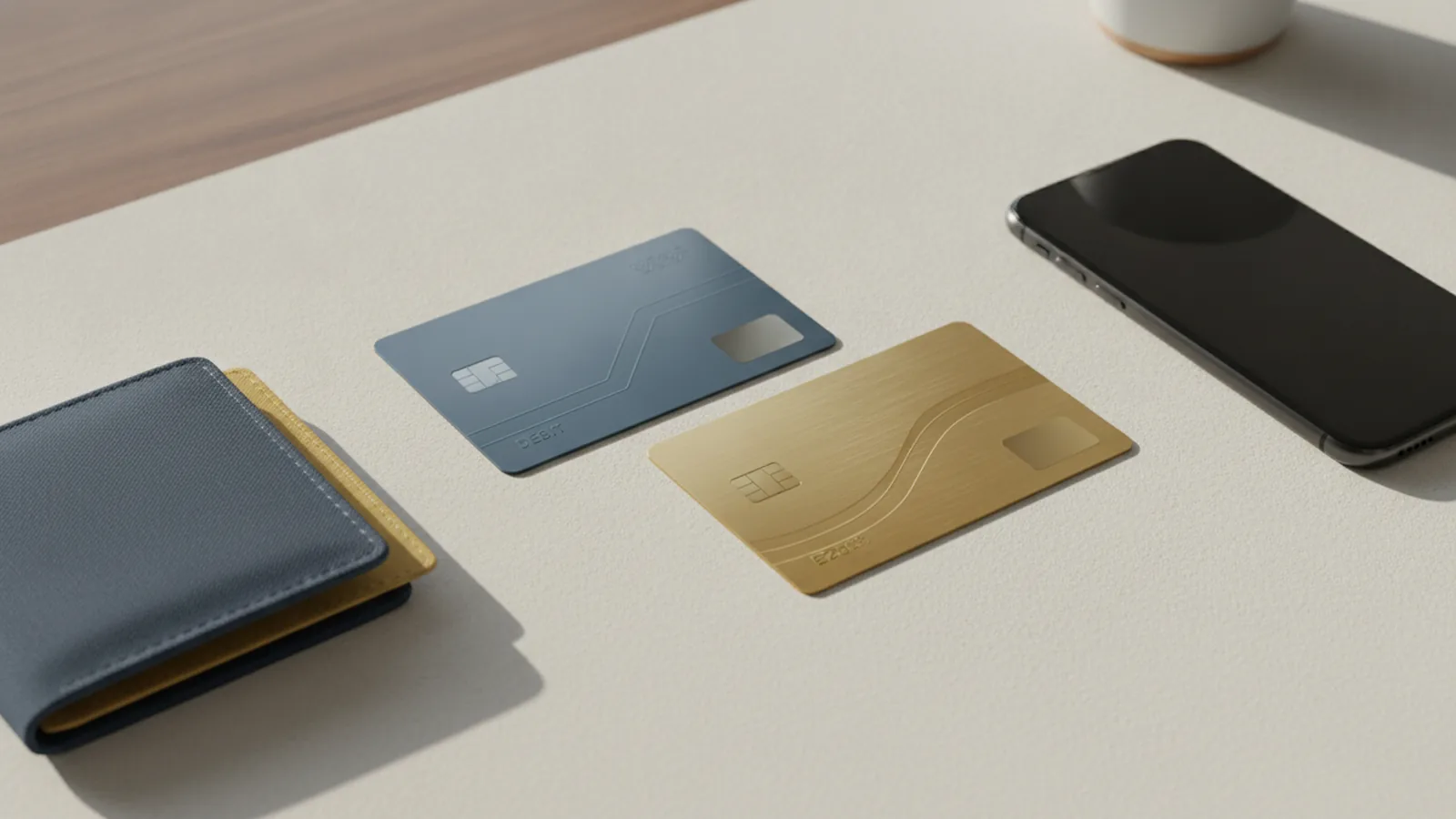
Understanding Debit and Credit Cards
What is difference between a debit and a credit card? It comes down to where the money comes from. A debit card pulls funds from your bank account. A credit card lets you borrow money from the issuer.
This debit and credit card difference affects timing and risk. With debit, your cash flow drops when the purchase posts. With credit, the bank balance does not drop until you pay your bill.
People also ask about debit to credit. Often it means changing your payment habit from using only bank cash to using credit on purpose. That shift can help if you pay in full and on time.
- Debit: spend money you already have
- Credit: spend money you borrow
- Difference: timing of repayment and financial risk

How Debit and Credit Cards Work
With a debit card, your account is linked to a checking or savings balance. When you buy something, your bank network sends a payment request. Then your bank pulls funds from your available balance.
In practice, posting can feel immediate or delayed. Some charges show up right away. Others post a bit later, but they still come from your account.
With a credit card, the issuer extends a line of credit to you. Each purchase uses part of that limit. Later, you receive a statement and you owe payment by the due date.
Costs depend on how you pay. If you pay your statement balance in full, interest is usually avoidable. If you carry a balance, interest can grow from the unpaid amount.
| Stage | Debit card | Credit card |
|---|---|---|
| Purchase | Bank funds are used | Credit limit is reduced |
| Posting | Balance reflects the purchase | Charge waits for the statement |
| Repayment | No monthly issuer bill | Payment due after statement |

Key Differences Between Debit and Credit Cards
The difference between a debit and a credit card is funding and repayment. Debit uses your cash now. Credit uses borrowed funds that you repay later.
That matters for personal finance and budgeting. Debit can reduce your spending room the moment a charge posts. Credit can delay that impact, which may help bill timing if you manage due dates well.
It also matters for accounting principles and financial transactions. Debit acts like an immediate outflow. Credit creates a short-term obligation that shows up as a balance you settle later.
Credit reporting is another major difference in debit and credit card behavior. Using a debit card usually does not build credit. Using a credit card can help your credit score when the issuer reports your activity.
- Cash flow: debit reduces balance sooner; credit delays repayment
- Credit score: debit usually no effect; credit can affect it
- Cost: debit usually no interest; credit may charge interest on balances
- Disputes: credit disputes are often simpler in the short run
Some people summarize the debit credit card difference like this. Debit is “spend from your account.” Credit is “spend from a loan.”
Advantages and Disadvantages of Debit Cards
Advantages: debit cards support strong spending habits. Your spending is tied to your bank balance. That makes budgeting easier for many people.
Debit can also feel straightforward for recordkeeping. Transactions often mirror your available balance. That helps you reconcile spending week to week.
The biggest downside is overdraft risk. If you spend when your balance is low, your bank may charge overdraft fees. Some banks offer overdraft protection, which changes the outcome.
Disputes can also be harder on cash flow. With debit, funds may already be pulled from your account. Even if a charge is reversed later, the waiting time can still hurt.
- Pros: spending tied to real balance
- Pros: usually no interest charges
- Cons: overdraft fees can apply
- Cons: dispute timing can affect cash flow
Advantages and Disadvantages of Credit Cards
Advantages: credit cards give you time between purchase and payment. That gap can smooth cash flow around rent, utilities, and other monthly costs. It also supports planned spending habits.
Many credit cards include rewards programs. Rewards can be cash back or points, depending on the issuer. You can use those perks if you treat the card like a tool, not free money.
Credit cards can also support credit building. If you pay on time, those payments can be reported to major credit bureaus. Over time, responsible use may help your credit profile.
Disadvantages: you can lose money if you carry a balance. Interest charges can make the true cost much higher than the purchase price. Fees can also apply for late payments or returned payments.
- Pros: delayed repayment helps cash flow
- Pros: rewards may reduce net costs
- Pros: can help build credit with on-time pay
- Cons: interest and fees if balances are not cleared
- Cons: overspending risk if limits are ignored
When to Use Debit vs. Credit
Choosing between debit and credit depends on financial habits. If you want tight control, debit often fits well. If you can pay the statement in full, credit can be useful.
For cash flow budgeting, debit can reduce surprise spending. Credit can help when bills hit on a set schedule. The key is knowing the due date and having a plan to pay it.
Many people wonder about debit vs credit card difference for disputes. In many cases, credit card purchase disputes are easier to manage during the waiting period. With debit, the money may already be withdrawn, which can feel stressful.
Here are practical rules that people use when planning their spending:
- Use debit for everyday spending you can fully cover from your bank balance.
- Use credit for planned purchases when you can pay in full by the due date.
- Use one “backup” card so an account issue does not stop your payments.
- Track due dates if you choose credit, so you do not carry balances.
If you are thinking about debit to credit, start small. Pick one category you can pay off monthly. Then keep your payments consistent until the habit feels solid.
Conclusion and Best Practices
The difference of debit and credit card comes down to how each card funds purchases and when you repay. Debit draws directly from your bank. Credit borrows up to a limit and bills you later.
Debit often fits people who want spending control. Credit often fits people who want time to pay and potential rewards. Both can be safe when you match the card to your budget management style.
Best practices are simple. Check your balance before using debit. Set payment reminders if you use credit. If you want credit benefits, pay on time and keep balances low or cleared.
When you understand the debit credit card difference in real terms, it becomes easier to choose. You can build spending habits that support your goals. That is the real win beyond any fee or label.
FAQ: Debit vs Credit Cards
Q: What is the difference between a debit and a credit card?
A: Debit pulls from your bank account when you buy. Credit uses a credit limit and you repay later, usually with interest if you carry a balance.
Q: Does a debit card build credit?
A: Usually no. Debit card activity typically does not affect your credit score.
Q: Can credit card purchases lead to fees?
A: Yes. If you do not pay your statement balance in full, interest can add up. Some situations can also trigger late fees.
Q: Are credit card disputes easier than debit card disputes?
A: Often, yes. Credit disputes tend to be simpler to manage during the waiting period.
Q: What does “debit to credit” mean?
A: It usually means switching your spending routine so you use credit cards instead of only debit. It works best when you pay on time and in full.
Frequently asked questions
- What is the difference between a debit and a credit card?
- A debit card pulls funds from your bank account. A credit card uses a credit limit and you repay later.
- Does a debit card affect my credit score?
- Usually not. Debit card activity generally does not change your credit score.
- Can credit cards cause interest charges?
- Yes. If you do not pay your statement balance in full, interest can apply to the remaining balance.
- Are credit card disputes easier than debit card disputes?
- Often, yes. Disputes with credit cards usually affect your account less during the waiting period.
- What does debit to credit mean?
- It often means switching to use a credit card for purchases instead of only debit. It works best when you pay on time and in full.
Related reading
The Payment Life Cycle: From Card Tap to Settlement
See how a card payment moves from approval to settlement.

What Is a Credit Card Issuer? A Clear Guide
Learn how card issuers approve payments, manage accounts, and handle disputes.

Bank ACH Meaning Explained: How the ACH Network Works
Understand ACH payments, settlement times, costs, and common uses.