Debit Cards That Act Like a Credit Card: Features, Benefits, and Score
Debit cards like credit cards can help build credit while keeping spend limits.
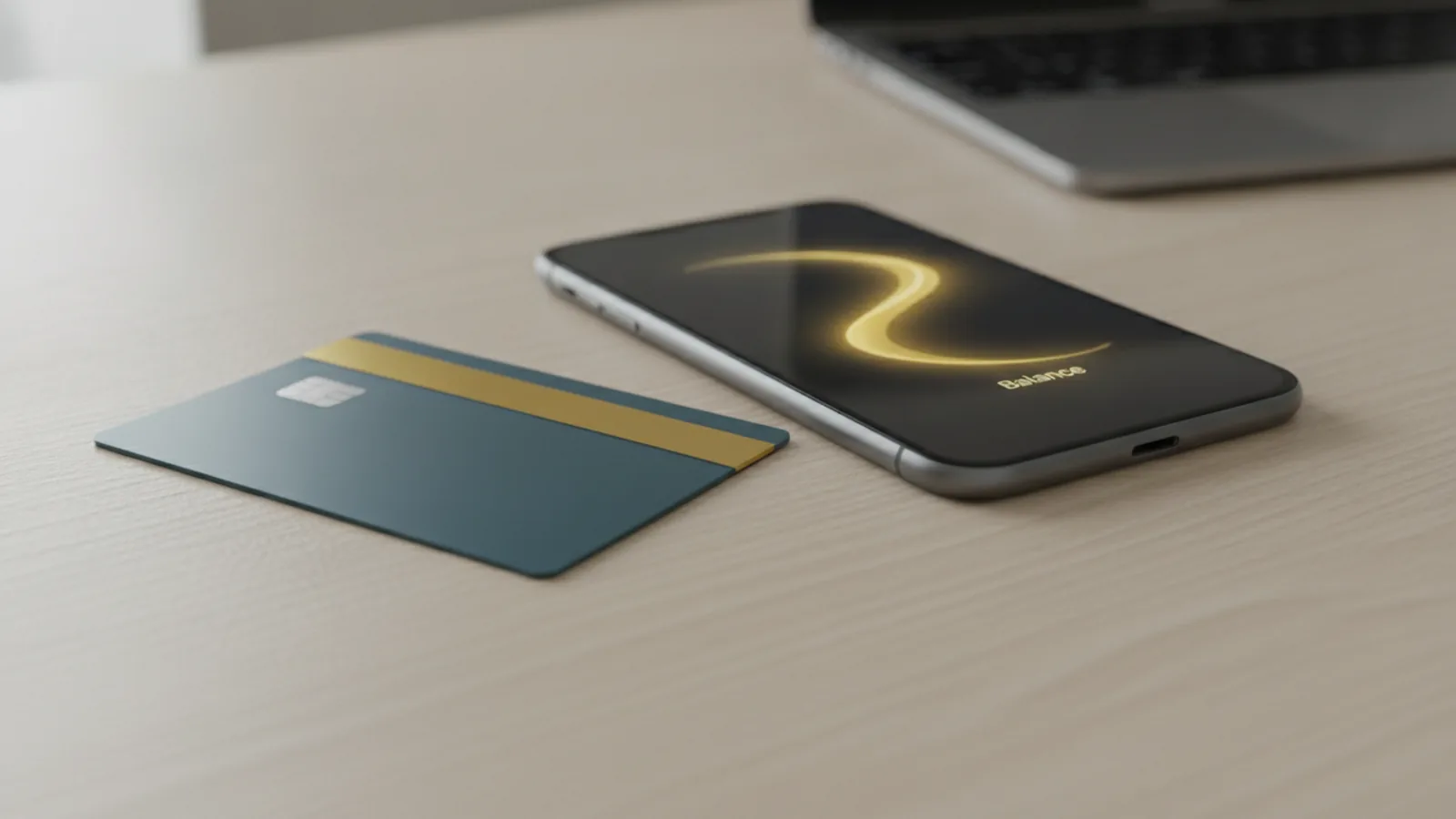
What is a debit card that acts like a credit card?
A debit card that acts like a credit card is a bank-issued card that lets you spend like you would with credit, while tying spending to your account rules. For many shoppers, the key difference is that it can behave like a “line” instead of a pay-now card at checkout. That makes it feel familiar, especially if you want the structure of credit without the stress of revolving debt.
These cards typically connect to your checking or prepaid account. Then they add a built-in spending limit that behaves like a credit line, often with a pre-approved buffer based on your balance or account history. In plain terms, it can feel like credit because the transaction runs through a card network the same way.
So if you are wondering “is a debit card like a credit card,” the answer is yes in how it acts. But it is still governed by debit-style funding and account controls.

How these cards work behind the scenes
Most of the time, the “credit-like” part is the way purchases post and how the available spending limit is calculated. When you buy something, the card network treats it as a card transaction, not as a direct bank transfer. The issuer then decides which source funds it, based on your linked account and the product design.
Many debit-card products use two layers of control. First, they use your linked balance or account funds as the base. Second, they may apply a pre-set spending limit or cushion that functions similarly to a credit line, so your purchases have an approval step before money moves.
Credit reporting is the feature that most people care about. Some debit cards that work like a credit card can report certain payment activity to major credit bureaus. If your purchases and any required repayments are handled on schedule, that activity can support your credit score over time.
- Spending limit: Your available amount can adjust with your funding and issuer rules.
- Approval step: A transaction may be authorized before it is finalized.
- Posting and timing: Purchases can post regularly, similar to credit card cycles.
- Credit reporting: Some issuers report activity to credit bureaus.

Benefits of using a debit card for credit building
The main benefit is credit building without needing a traditional credit card. A debit card that acts like a credit card can give you a path to establish positive credit reporting even if you are not approved for standard revolving credit. That can be especially helpful when you are rebuilding after past issues or when you are new to credit.
Because it is usually tied to your bank account, it can reduce the chance of running up debt you cannot repay. You still get a defined spending limit, and the card encourages consistent monthly use. When paired with on-time funding, this can support steady credit reporting and a healthier credit score trend.
Another advantage is rewards. Some debit products include rewards programs, such as points on everyday purchases. If the card reports activity to bureaus and also earns rewards, you can combine credit building with practical value on groceries, fuel, or subscriptions. As always, check the reward rules, because some offers apply only to certain merchant types.
Finally, you may avoid two major costs tied to typical credit cards. Many of these cards are designed to work without interest payments, and they can avoid credit checks at approval. That means you can focus on budgeting and consistent spending rather than managing APR (annual percentage rate) charges.
| What people want | How a debit card like credit card products help |
|---|---|
| Build credit with less friction | May report card activity to credit bureaus. |
| Stay on budget | Spending limit ties to your funds and account rules. |
| Earn rewards | Some offer rewards programs for purchases. |
| Lower extra costs | Often no interest payments and no credit check. |

Key differences between debit and credit cards
Even though the card can act like credit, the funding source is still the biggest difference. A traditional credit card gives you a revolving credit line funded by the issuer. A debit card like credit card products, on the other hand, generally uses your linked account balance or a controlled funding structure. That means you are usually not taking on the same kind of debt risk.
Credit scoring also differs based on what gets reported. A credit score is built from credit reporting data, including utilization on revolving lines and payment history. With debit-card products, you may get credit reporting for card usage, but you may not generate the same utilization metrics you would with a credit card. The result can be positive, but it may not mirror traditional credit building exactly.
Spending limit mechanics can also vary. With a credit card, your spending limit is set by creditworthiness, and you can often carry a balance month to month. With a debit card that works like a credit card, the spending limit is often tied to your account balance or issuer thresholds. That can be good for financial budgeting because it puts a clear ceiling on your spending.
One more difference is pricing and fees. Some debit-to-credit-like products emphasize no hidden fees, while others may charge for certain services. Always look at the full fee schedule, including monthly fees, ATM fees, and any charges for replacements or special plans. This matters because rewards can only help if the card stays affordable.
- Funding: Credit cards rely on issuer credit. Debit-like products rely on your linked account rules.
- Reporting may help, but credit utilization may behave differently.
- Often balance-based rather than creditworthiness-only.
- Interest is usually not part of the plan, but fees can still exist.

How to choose the right card for you
Start with the credit reporting question. Look for clear details about whether the card reports purchases to credit bureaus and which bureaus are covered. If the issuer does not specify credit reporting, assume you may not get score impact. Also check timing, because credit reporting usually happens in batches after statement cycles.
Next, review the spending limit and how it changes. Some cards use a pre-approved credit line based on your balance. Others adjust the limit as you add funds or show consistent use. If your budget is tight, a smaller limit can still work for credit building because consistent, on-time activity matters.
Then compare rewards programs and no hidden fees promises. If the card offers points, look at how points are earned, when they expire, and whether rewards apply to your common spending. Pair this with your financial budgeting plan. If rewards require minimum spend you cannot support, the value may not be worth the stress.
Finally, confirm the approval and onboarding process. Many debit-card products avoid credit checks, which can make them accessible. Still, they may verify identity and account details. If you want to avoid surprises, read the terms for any required balance, funding rhythm, and any rules about repayment timing.
- Verify credit reporting: Confirm bureau reporting for card activity.
- Check the spending limit: Understand how much you can spend and how it resets.
- Review rewards: See how points are earned and redemption rules.
- Scan the fee schedule: Look for monthly fees, replacement costs, and exceptions.
- Match to your habits: Choose a card that fits your monthly plan.
Conclusion: the smart financial choice
A debit card that acts like a credit card can be a smart bridge between everyday spending and credit building. It can help you establish a credit score track by reporting card activity, while also giving you a spending limit designed around your account. For many people, the combination is powerful: less debt risk and clearer budget control.
If you want credit-building benefits but you do not want interest payments, this card model is worth a close look. It can also offer rewards programs, so you may earn points on purchases while building creditworthiness. The best approach is to pick a product that clearly reports to credit bureaus and that matches your real spending needs.
When you choose well, a debit card like credit card features can feel familiar at checkout. Yet it still keeps you grounded in your own funds. That balance is often what makes it a practical financial choice.
Frequently asked questions
- Does a debit card that acts like a credit card build credit?
- It can, if the issuer reports card activity to credit bureaus. Check the product terms for which bureaus receive reporting.
- Is a debit card like a credit card the same as a credit card?
- Not exactly. It can act similar at checkout, but it is usually funded by your linked account rules.
- Do these cards require a credit check?
- Many do not use a traditional credit check for approval. Still, the issuer may verify your identity and account details.
- Will using this debit card improve my credit score right away?
- Credit score changes depend on reporting timing and your broader credit history. Consistent on-time activity can help over multiple reporting cycles.
- Can I earn rewards with a debit card that works like a credit card?
- Some offer rewards programs with points for purchases. Review reward earning categories and any redemption limits before you rely on them.
- How is the spending limit different from a normal credit card?
- A credit card limit is usually based on creditworthiness. These debit-like cards often tie limits to your balance and issuer thresholds.
Related reading

What Is Mastercard and How Does Its Payment Network Work?
Mastercard links banks, merchants, and shoppers through a global payment network.

What Is a Merchant? A Clear Guide to Trade and Payments
A clear guide to merchants, trade, online sales, and payment IDs.
Payment Details Meaning: What They Are, Why They Matter, and Examples
Payment details meaning explained with clear examples and ACH guidance.