CVV Numbers, Merchant IDs, and Safer Card Payments
Find your CVV, understand merchant numbers, and keep card payments safe.
What Is a CVV Number?
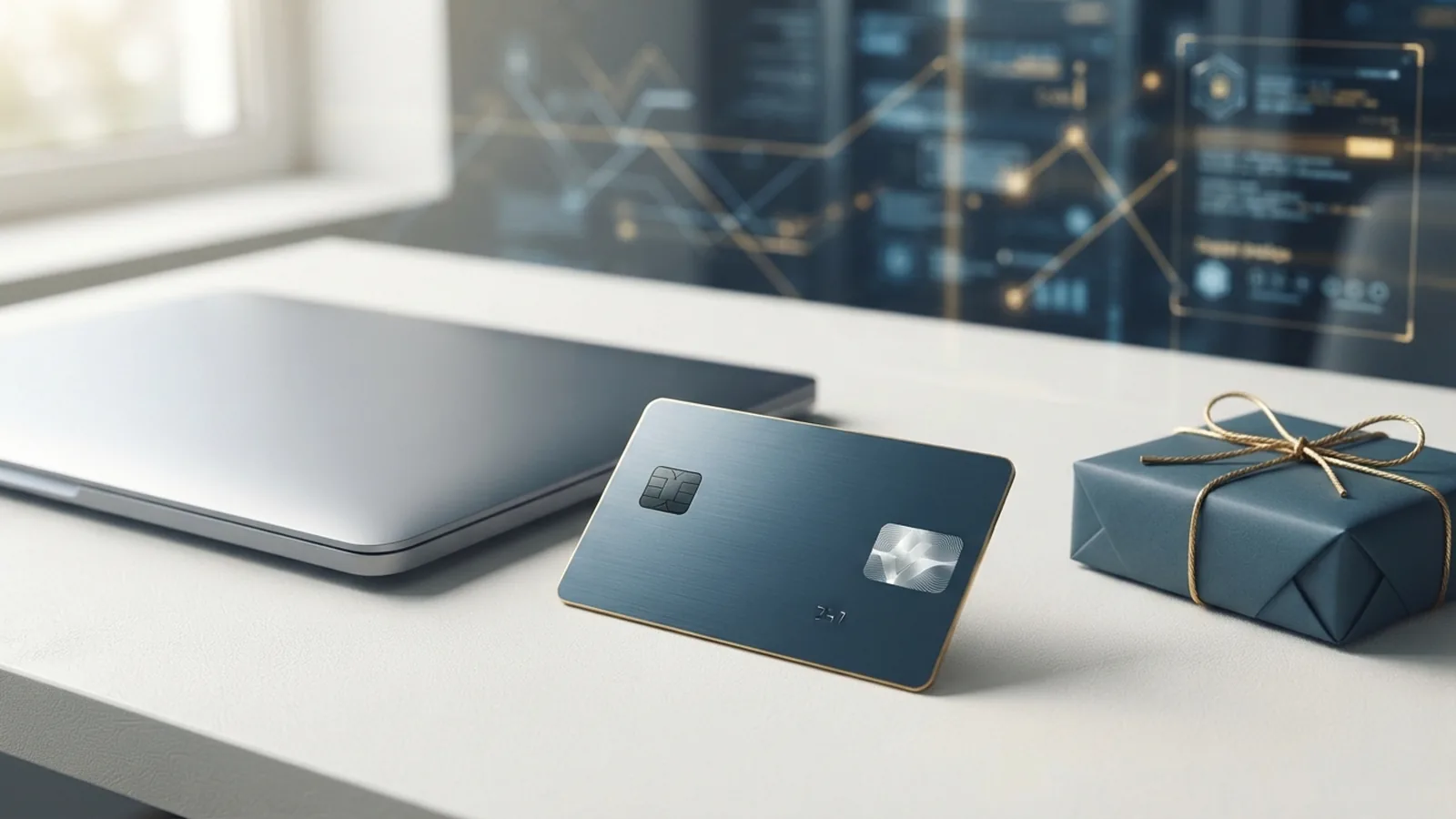
CVV means Card Verification Value. It is a short code on most credit and debit cards.
The cvv number on credit card payments adds a check when the card is not present. This includes online, phone, and mail orders.
A seller asks for the code to check that you hold the card. The code does not prove your full identity. It also does not replace bank approval.
Visa and Mastercard cards usually have three CVV digits. American Express cards usually have four digits.
A three-digit code has 1,000 possible combinations. A four-digit code has 10,000 possible combinations. A random guess has a one in 1,000 chance for three digits. It has a one in 10,000 chance for four digits.
These odds make casual guessing hard. Banks also watch for failed payment attempts. They may block a card after several risky tries.
Where to Find the CVV Number
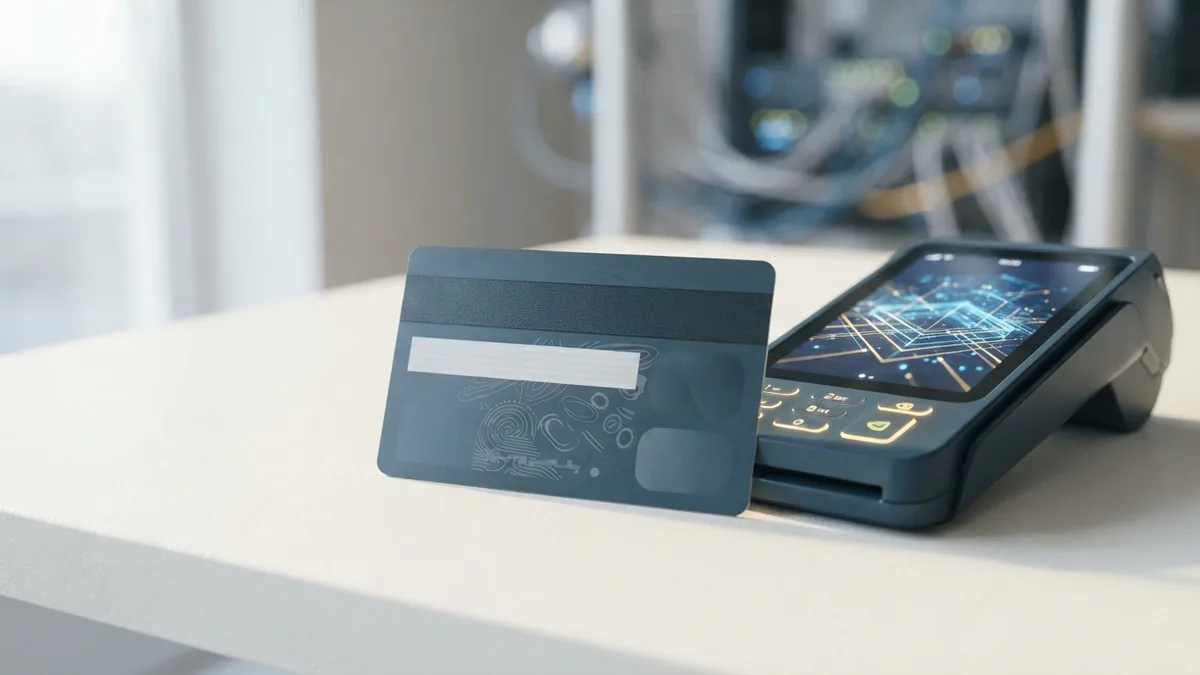
The cvv code location depends on your card brand. Most Visa and Mastercard cards show it on the back.
Look near the signature strip. You will often see three digits after part of the card number.
Some cards show the last four card digits first. The final three digits are usually the CVV.
American Express places its four-digit code on the front. It often sits above the main card number.
- Visa: Look for three digits on the back.
- Mastercard: Check the back near the signature strip.
- American Express: Look for four digits on the front.
Do not confuse the CVV with the long card number. Do not enter the expiry date in the CVV field. Check the payment form before you send the details.
Why CVV Matters During Card Transactions
CVV importance is highest during remote payments. The seller cannot inspect the card in person.
A thief may steal a card number from a data leak. They may still lack the CVV. That missing code can stop some payment attempts.
Many merchants ask for the code during online checkout. Some do not require it. The bank, card network, and payment setup shape that choice.
A payment may pass without a CVV. This does not mean the card is unsafe. Other checks may support the payment request.
Merchants must not store CVV data after payment approval. This rule limits harm after a breach. The PCI Security Standards Council payment rules explain this data safeguard.
A CVV cannot stop every fraud attempt. A scammer may trick you into sharing it. Malware may also capture card details during checkout.
- CVV checks support card-not-present payments.
- CVV checks do not prove who the buyer is.
- Merchants must not keep the code after approval.
- Other bank checks may still review the payment.

Merchant Numbers and CVV Details Are Different
Searchers often mix a merchant number with the CVV. They serve different jobs.
A merchant number identifies a business account in a card payment system. It helps banks and payment firms route and track sales.
This is the basic merchant number meaning. It is not a code printed on a buyer's credit card.
Merchant number identification may appear on a sales report. It may also appear on a bank statement or payment dashboard.
A valid merchant number belongs to an approved business account. It does not prove that a customer owns a card. It also cannot replace a CVV.
If you ask, “what is a merchant number for credit cards,” think of it as a seller ID. The CVV is a card security code for the buyer.
| Detail | CVV | Merchant number |
|---|---|---|
| Used by | Cardholder and payment form | Business and payment provider |
| Main job | Checks card details | Identifies the seller account |
| Printed on a card | Usually | No |
| Shared at checkout | Sometimes | No |
Do not enter a merchant number in a CVV field. Ask the seller or bank when a payment report looks unclear.
How Businesses Get a Merchant Number
People often ask, “how do I get a merchant number?” The usual path starts with a payment provider.
You provide business details, bank details, and proof of identity. The provider checks your business before approval.
After approval, the provider creates a merchant account. It then gives you the account details needed for card payments.
For a New Zealand business, the search may be “how to get a merchant number NZ.” The steps still depend on the provider and bank.
That process differs from the question “how to get a merchant number for credit cards.” A business needs a merchant account to accept cards. A cardholder does not need one to pay.
Someone asking how to become a merchant processor faces a much larger task. A processor runs payment tools for other businesses. It must meet strict bank, security, and legal rules.
CVV Versus a PIN
A CVV and a PIN have different roles. A PIN is a personal identification number.
You use a PIN at an ATM or during some in-person payments. You should not share it with a seller by email or chat.
A CVV is printed on the card. A PIN is not printed there. Each code should stay private.
| Feature | CVV | PIN |
|---|---|---|
| Main purpose | Checks card details during remote payment | Confirms a secret during some secure actions |
| Usual length | Three or four digits | Often four digits |
| Printed on card | Yes | No |
| Common use | Online and phone checkout | ATMs and some store payments |
Your bank will not need your PIN for routine support. A real seller should not ask for it either.
How to Protect Your CVV Code
Good cvv security tips begin with safe shopping habits. Enter the code only on a trusted payment page.
Check the web address before you enter card details. A secure connection helps protect data while it travels.
A lock icon does not prove that a shop is honest. Check the seller, payment page, and order details too.
- Never post your CVV in public messages.
- Ignore urgent requests for full card details.
- Use trusted shops with clear support details.
- Avoid entering card details on shared devices.
- Keep your browser and device software up to date.
- Turn on bank alerts for new payments.
Call your bank using the number on your card. Do this if someone asks for your CVV by phone.
Review your account often, even when alerts are active. Small test payments can come before larger fraud.
If your card is lost, freeze it through your bank app. Ask whether you need a replacement card. A new card usually has a new CVV.
Common Myths About CVV Numbers
Myth: A CVV proves the buyer's identity
A CVV shows access to card details. It does not confirm the buyer's name or identity.
Myth: Merchants can store CVV codes for later use
Merchants must not keep CVV data after payment approval. They should ask again when a later payment needs the code.
Myth: A CVV makes fraud impossible
CVV checks reduce some risks. They cannot stop scams, stolen devices, or fake payment pages.
Myth: A merchant number is another card security code
A merchant number identifies the seller account. It has no link to the cardholder's CVV or PIN.
FAQs About CVV Numbers
What is a CVV?
A CVV is a three- or four-digit Card Verification Value. It supports security during payments where the card is not present.
Where is the CVV number on a credit card?
Visa and Mastercard usually place it on the back. American Express usually places its four-digit code on the front.
Can I make an online payment without a CVV?
Sometimes. Some merchants do not ask for it, while others require it before sending the payment for approval.
What is a merchant number for credit cards?
It is a seller account ID used by a bank or payment provider. It is not the CVV printed on a buyer's card.
How do I get a merchant number?
Apply for a merchant account with a bank or payment provider. After checks and approval, the provider gives your business the account details.
How do I protect my CVV?
Use it only on trusted payment pages. Never share it in public messages, and watch your account for unknown payments.
Frequently asked questions
- What is a CVV?
- A CVV is a three- or four-digit Card Verification Value. It supports security during payments where the card is not present.
- Where is the CVV number on a credit card?
- Visa and Mastercard usually place it on the back. American Express usually places its four-digit code on the front.
- Can I make an online payment without a CVV?
- Sometimes. Some merchants do not ask for it, while others require it before sending the payment for approval.
- What is a merchant number for credit cards?
- It is a seller account ID used by a bank or payment provider. It is not the CVV printed on a buyer's card.
- How do I get a merchant number?
- Apply for a merchant account with a bank or payment provider. After checks and approval, the provider gives your business the account details.
- How do I protect my CVV?
- Use it only on trusted payment pages. Never share it in public messages, and watch your account for unknown payments.
Related reading

What Is Flutterwave? How Its Payment Tools Work
Learn how Flutterwave helps businesses take and manage digital payments.
What Is Credit Card 3D Secure?
See how 3D Secure verifies cardholders and can protect online payments.
What Is a Payment Flow? How Card Payments Move
See how card payments move from checkout to approval, and what makes a flow work well.