Issue Bank Explained: Role in Cards, Authorizations, and Failures
An issue bank issues cards, authorizes charges, and can trigger declines when glitches interrupt the payment flow.
What is an issue bank?
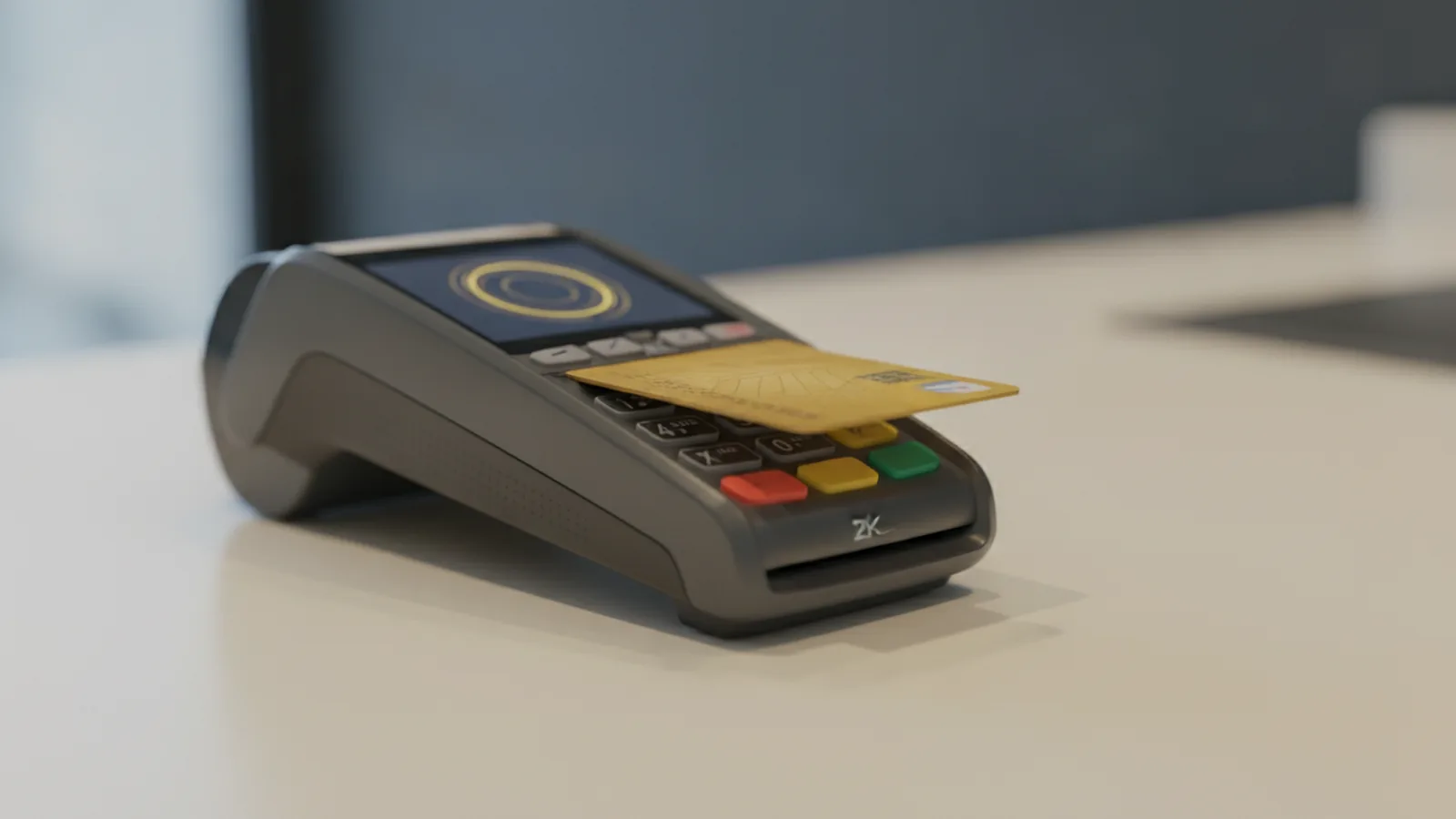
An issue bank is the bank that issues your debit and credit cards. It also runs the checks needed to approve each purchase. This is the bank-side part of payment processing.
When you buy something, the payment system asks the issue bank to verify the card. It checks card status and account rules. Then it decides if the charge can be approved.
Technical issue in bank means a system problem that stops the checks. It can block authorization or delay money moves.
Even with enough funds, a payment failed due to technical issue can happen.

How an issuing bank fits into payment transactions
Payment processing is a chain of steps between buyer, merchant, and banks. The issuing bank role is to answer the authorization request. It confirms the card can pay for this purchase.
During transaction authorization, the bank verifies the card and checks risk signals. It also checks the purchase fits the account’s limits. If it approves, the approval travels back to the merchant.
After an approval, the funds move in later steps. The issuing bank handles transfers to the merchant. The timing can vary by scheme and setup.
In short, approval first, then money movement.
- Card issuance: the issue bank creates the account and card credentials
- Authorization: the issuing bank checks the purchase and sends approve or decline
- Funds movement: the issuing bank helps move money after approval
What technical issues can break card payments?
Many failed payments are not about your spending. They come from a payment technical issue in the path. That path includes bank systems, networks, and message routing.
One big cause is a server outage. If the bank system is down, it cannot respond to requests. Then the charge fails even for valid cards.
Another cause is a processor error. The payment processor routes and formats messages. If that part fails, the issuing bank may not receive a clean request.
Sometimes the cause is a network failure.
Technical glitches meaning you can spot
Technical glitches meaning is what it looks like in daily checkout. You may see declines across many stores at once. You may also see timeouts during payment attempts.
Latency spikes are another clue. If responses come too late, the flow can time out. Then it looks like charge failed due to technical reasons.
- Server outages: the authorization system is not reachable
- Processor errors: routing or message handling breaks
- Network failures: messages do not arrive on time
- Latency spikes: replies miss the time window

How bank glitches impact transactions and trust
If the bank cannot approve, the payment does not go through. The customer sees a decline or a retry prompt. That is how a transaction failed due to technical issue at bank happens.
Merchants feel this right away. Fewer approvals mean fewer checkouts finish. Sales drop during the affected window.
Customers lose trust when it repeats. They blame the store or think the card is broken. That can cut repeat buys.
Bad experiences also create more support work.
There can be ripple effects later too. If part of a charge goes through and then corrects, billing can look odd. That confusion may lead to a chargeback process.
Fraud prevention can cause declines too
Fraud prevention blocks risky payment signs. It helps protect accounts and lowers losses. Yet it can also misread normal purchases.
If a rule blocks a legit buy, the bank sends a decline. To the customer, it can feel like a glitch. They may see payment failed due to technical issue even without a system outage.
The key is pattern. Random failures often point to system issues. Clear repeat declines can point to rules.
| Seen at checkout | Likely cause | Typical outcome |
|---|---|---|
| Many stores fail at once | Bank or network outage | Fast decline or retry prompt |
| Only one merchant fails | Merchant or processor problem | Same checkout step fails |
| Failures at odd times | Slow links or timeouts | Late or missing bank reply |
| Failures on odd spend | Fraud rules block the charge | Decline even with funds |
How to reduce payment failures
You cannot remove all issues, but you can cut failures. Start by watching the whole payment processing path. Track approve rate and response time.
If you see delays, treat them as a risk. Authorization timeouts can rise quickly during a payment technical issue. Acting early can save many checkouts.
Merchants should also use smart retry logic. Retrying too fast can add load. Use a pause and only retry for safe error types.
Support teams should guide customers with clear next steps.
- Monitor auth rate and timing: watch approvals and timeouts in near real time
- Use safe retries: delay retries and avoid loops on the same error
- Improve checkout data quality: reduce mismatched fields sent to the bank
- Tune fraud checks: lower false flags for real customer patterns
- Run issuer-side readiness checks: confirm failover and capacity plans
What to check when a customer says it failed
Ask when the attempt happened and where the buyer tried to pay. If failures spike across users, it can be a system issue. If only one card fails, it may be the card account.
Next, check logs for “decline” versus “no reply.” A decline means the bank answered. No reply often points to a timeout or routing error.
Then you can choose the right fix. Retry later is better for outages. Contact the bank is better for account blocks.
Differences between issuing banks and why they vary
Issuing banks are not all the same. A commercial bank may run large shared systems. A credit union may use a different stack and staffing model. Retailer co-brands can also have special flows.
These differences change how systems handle load. Some issue banks can fail over faster. Others may face tighter limits or vendor-based steps.
Issuing banks also do credit risk assessment. They review how they judge risk for a card. They also keep account security strong.
That mix can change which checks run and when.
What merchants should learn from issuer differences
Do not assume every failure has one cause. Break down failures by card type and region. Then compare spikes across time and issuer groups.
If a pattern points to one issuer group, adjust routing and retry steps. Also offer backup payment methods when possible. That helps reduce lost sales during outages.
Better data leads to faster fixes.
Conclusion and key takeaways
An issue bank issues debit and credit cards. It authorizes and verifies each purchase. After approval, it helps move funds to the merchant.
Payment technical issues can still break the flow. Server outages, processor errors, and network timeouts can cause charge failed due to technical reasons. Fraud rules can also decline real buys.
To reduce failures, monitor your payment path and handle retries well. This protects merchant sales and keeps customer trust.
- An issue bank: issues cards and runs authorization checks
- After approval: it helps move funds to the merchant
- Common problems: outages, processor errors, and timeouts
- Fraud rules: can decline legit buys sometimes
- Best response: monitor and use safe retry logic
Frequently asked questions
- What does an issue bank do in a card payment?
- An issue bank authorizes and verifies transactions for its cardholders. After approval, it participates in moving funds to the merchant.
- What does “payment failed due to technical issue” usually mean?
- It usually means the authorization request could not finish due to outages, timeouts, or routing errors. It may not relate to your balance.
- Can an issuing bank decline a purchase even when funds are available?
- Yes. Fraud rules can block a purchase that looks risky. Legit buys can be caught by mistake sometimes.
- Why does a charge fail due to technical reasons at checkout?
- A payment technical issue can stop a reply in time. Common causes include network failure or a down authorization server.
- How can merchants reduce transaction failed due to technical issue at bank?
- Merchants can monitor approval rate and response time, then use safe retry logic. They can also improve checkout data to reduce mismatches.
Related reading
What Is Mastercard and How Does Its Payment Network Work?
Mastercard links banks, merchants, and shoppers through a global payment network.

What Is a Merchant? A Clear Guide to Trade and Payments
A clear guide to merchants, trade, online sales, and payment IDs.

Payment Details Meaning: What They Are, Why They Matter, and Examples
Payment details meaning explained with clear examples and ACH guidance.