What Do Payments Mean in Financial Transactions?
See how payment types, processing, acquiring, and security fit together.
What a payment means
A payment is a transfer of value between two or more parties. Most often, one party gives money to buy goods, services, or repay a debt. The receiver may be a person, business, bank, or public agency.
The payments meaning can change with the setting. A shop sale is a payment from a customer to a merchant. A business may also pay staff, suppliers, or tax offices. Each case moves value, but the parties and steps can differ.
A payment may happen at once, like handing over cash. It may also take several days, as with some bank transfers. The amount, method, timing, and rules shape how the payment works.
- Payer: the person or business sending value.
- Payee: the person or business receiving it.
- Payment method: the route used to move the value.
These roles help make payment records easier to read. A cardholder pays a merchant, while banks and payment firms help move the funds.
Common types of payments
Cash, credit, debit, and electronic payments are common ways to pay. Cash moves from payer to payee in person. It does not need a bank network, but both sides must handle and store it safely.
With a debit card, funds usually come from the payer’s bank account. A credit card lets the payer borrow from a card issuer, then repay later. Credit does not mean the merchant gets paid only after the customer settles the bill.
Electronic payments move value through digital systems. These include card payments, online bank transfers, and ACH payments. ACH is a U.S. network for bank-to-bank transfers, often used for payroll and recurring bills.
- Cash: direct exchange, often settled on the spot.
- Debit: funds drawn from a linked bank account.
- Credit: a card issuer pays first, then bills the cardholder.
- Electronic: value sent through bank or payment networks.
Different methods suit different needs. A small in-person sale may use cash or a card, while rent may use a bank transfer. Fees, speed, ease, and risk can all affect the choice.
How payment processing works
Payment processing is the set of steps that moves a payment request from the payer to the merchant. The process can include a payment gateway, a processor, banks, and a card network. Each party has a role in sending or checking the payment details.
For a card purchase, the merchant sends the payment request for approval. The issuer checks the account, available funds or credit, and signs of fraud. This check is called authorization. An approval does not always mean funds have reached the merchant.
Next, approved payments are grouped and sent for settlement. Settlement is when funds move between the banks involved. The merchant then receives the funds, often after fees and timing rules apply. The process may take longer for refunds or bank transfers.
- Capture: the merchant collects the payment details and amount.
- Authorization: the issuer approves or declines the request.
- Clearing: payment details are sent between the parties.
- Settlement: funds move to the merchant’s account.
So, process payments meaning often refers to handling these linked steps. A payment processor helps route the request and return its result. A gateway can securely pass payment details from a website or shop system.
What ISO payments mean
ISO payments meaning can point to payment messages shaped by standards from the International Organization for Standardization. A standard gives firms a shared way to format and send information. That can help systems in different countries or banks work together.
ISO 20022 is a global standard for financial messages. It can carry structured details about a payment, such as who sends it and who receives it. The standard itself does not move money or approve a payment. Banks and payment networks set the rules for how they use it.
It is worth being precise: not every payment follows one ISO standard. Card, bank, and local payment systems can use different rules and message formats. Shared standards can support consistency, but they do not replace security checks or local laws.
For example, a bank transfer may include richer details than a short note field. Better structured data can help banks match payments to invoices. It can also make cross-border payment data easier to handle.
Acquiring payments: the merchant side
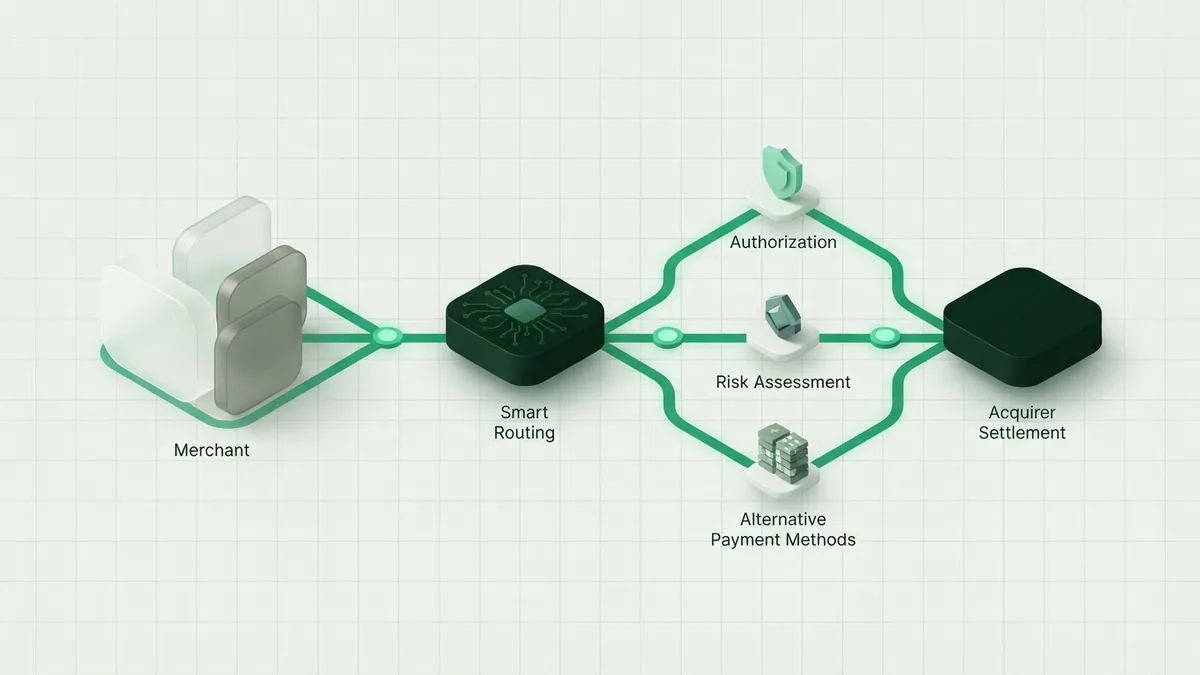
Acquiring payments meaning refers to the merchant side of accepting payments. An acquirer is a bank or payment firm that helps a merchant take card payments. It connects the merchant to card networks and helps send requests to the cardholder’s bank.
When a customer pays, the acquirer helps route the approval request. If approved, the acquirer also helps arrange settlement to the merchant. It may provide a merchant account, payment tools, and reports. Some firms offer these services through a partner rather than directly.
Acquiring is not the same as issuing. The issuer gives a card or account to the customer. The acquirer works with the merchant. These roles help explain why several firms may take part in one card payment.
- The merchant accepts a payment and sends its details.
- The acquirer routes the request through the payment network.
- The issuer approves or declines the payment.
- Approved funds are sent through the network for settlement.
Merchants should compare more than the headline fee. They can ask about settlement timing, refunds, chargebacks, support, and accepted payment methods. These details affect daily cash flow and customer service.
Why payment security matters
Payments can expose account details, card data, or personal information. A breach can lead to fraud, lost funds, and harm to customers. Security must cover the whole path, from the checkout to the firms that handle payment data.
Encryption helps protect data as it moves between systems. Merchants can also limit who can view sensitive details and keep only the data they need. Tokenization replaces card details with a stand-in value. This can reduce how often a business stores raw card data.
PCI DSS is a security standard for firms that store, process, or transmit cardholder data. The PCI Security Standards Council publishes the standard and related guidance. See the PCI DSS overview from the PCI Security Standards Council for its scope and current resources.
Security also depends on sound daily habits. Use strong sign-in checks for payment tools, review access, and watch for odd payment patterns. Clear refund rules and staff training can help limit mistakes and fraud.
No single control can stop every threat. Merchants should work with trusted payment firms and keep their systems up to date. Good payment security protects both the buyer and the business.
Frequently asked questions
- What does payment mean?
- A payment is a transfer of value from one party to another. It often involves money exchanged for goods, services, or debt repayment.
- What are the main types of payments?
- Common types include cash, debit, credit, and electronic payments. Bank transfers and ACH payments are electronic methods.
- What does it mean to process a payment?
- It means handling the steps that send a payment request, check approval, and move funds. A processor helps route the request between the parties.
- What does ISO mean in payments?
- It often refers to payment messages that follow standards set by the International Organization for Standardization. Standards can help systems share data in a consistent format.
- What does an acquirer do in a payment?
- An acquirer works with merchants to accept payments. It helps route approval requests and arrange settlement of approved funds.
- How are payment details kept secure?
- Firms use measures such as encryption, access controls, and tokenization. Card data handlers must also follow PCI DSS rules that apply to them.
Related reading

What Is Mastercard and How Does Its Payment Network Work?
Mastercard links banks, merchants, and shoppers through a global payment network.

What Is a Merchant, and Where Do They Fit in Payments?
A clear guide to merchants, trade, online sales, and payment IDs.

Payment Details Meaning: What They Are, Why They Matter, and Examples
Payment details meaning explained with clear examples and ACH guidance.