ACH Payments Explained: Meaning, Costs, Benefits, and How to Use Them
Learn how ACH payments work, what they cost, and how businesses can use them.
What Are ACH Payments?
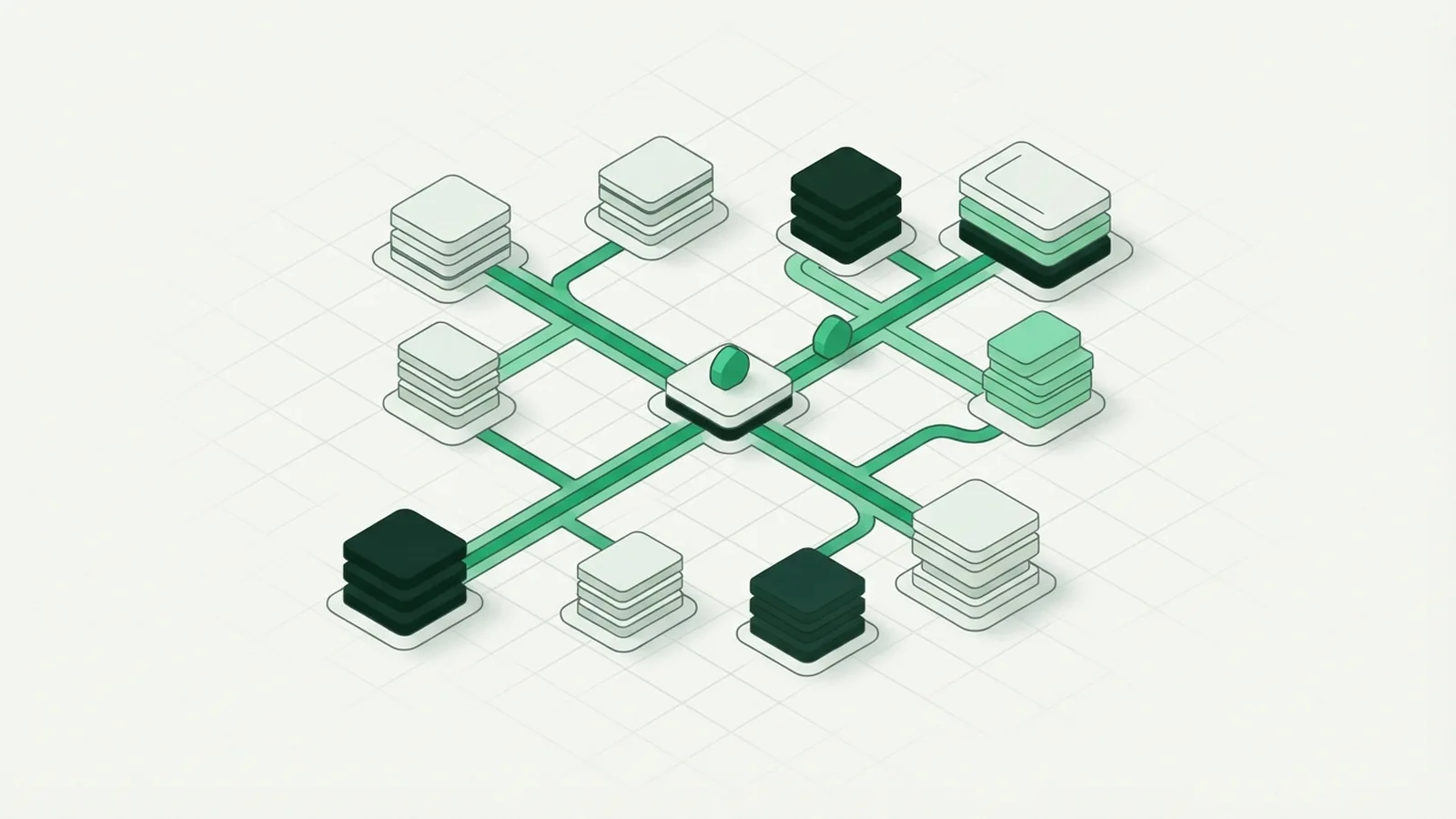
ACH payments are electronic transfers between bank accounts in the United States. ACH means Automated Clearing House. It is a payment network, not a card brand or a single bank.
So, what is payment by ACH? It is a bank-to-bank payment sent through this network. A payment via ACH can move money without paper checks, cash, or card rails. This makes payment with ACH useful for both one-time bills and recurring charges.
ACH payments support many daily needs. Common examples include payroll deposits, tax refunds, utility bills, rent, loan payments, and B2B invoices. The network also supports direct deposit, which sends wages or benefits into a bank account.
In 2025, the ACH Network handled 35.2 billion payments worth $93 trillion. Nacha's 2025 ACH payment data shows the network's large role in US payments.
How the ACH Network Moves Money
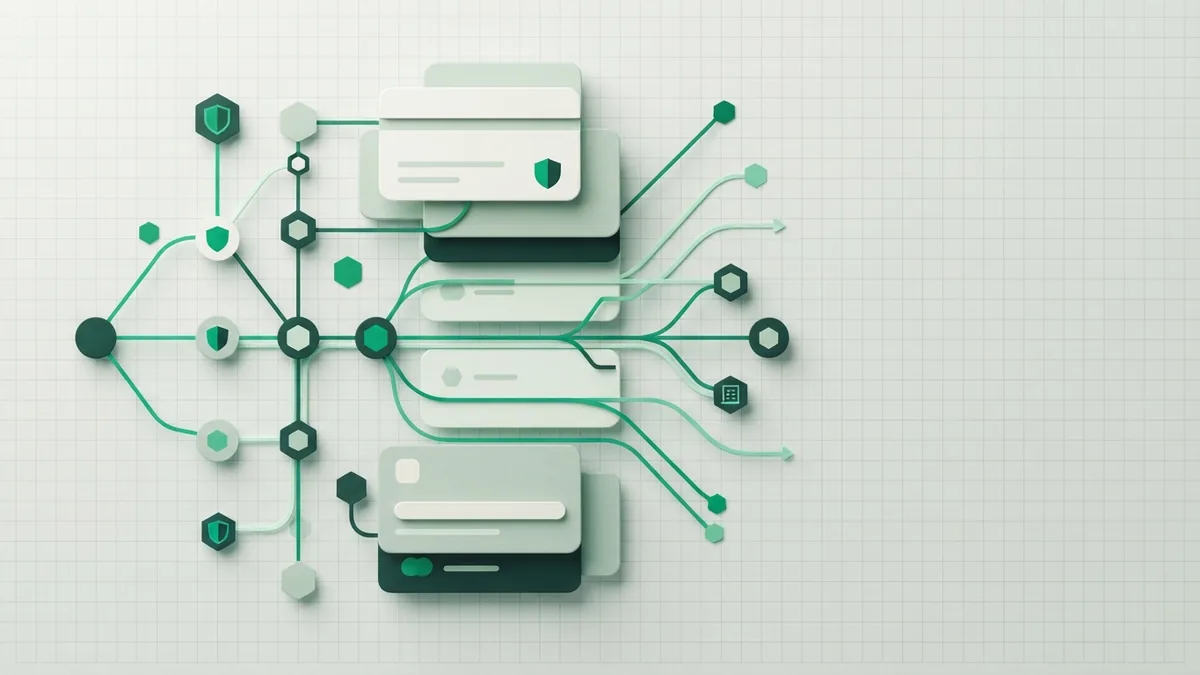
An ACH payment starts when a customer or business gives payment permission. The sender provides bank details and approves the amount. The receiving business then sends the payment request through its bank or payment provider.
The bank groups many payment requests into files. An ACH operator sorts those files and sends them to the right banks. The banks then add or remove funds from the linked accounts.
Most ACH payments take one to three business days. Weekends and bank holidays do not count as business days. Same-day ACH can move eligible payments within the same business day, though cut-off times and extra fees may apply.
The process uses bank account details rather than card numbers. That can lower costs. It also means businesses must protect account data and check each payment request with care.
- The payer gives consent and bank details
- The business submits the payment request
- The ACH network routes the request
- The banks post the debit and credit
- The business checks the final payment status
ACH Credits and ACH Debits
There are two main types of ACH transactions. An ACH credit sends money into another account. An ACH debit pulls money from an account after the account holder gives permission.
Payroll is a common ACH credit. An employer sends funds to an employee's bank account. Tax refunds and some benefit payments use the same basic path.
A bill payment is often an ACH debit. The customer allows a utility, lender, or software firm to pull the agreed amount. Recurring payments can use this setup each month.
| Type | Money flow | Common example |
|---|---|---|
| ACH credit | Sender pushes funds | Payroll deposit |
| ACH debit | Receiver pulls funds | Monthly bill |
These terms describe the flow of money. They do not describe whether the payment is fast or slow. A same-day payment can still be either a credit or a debit.
Why Businesses Use Payment by ACH
The main benefit is cost. ACH fees are often lower than credit card fees. Many providers charge a flat fee, a small percentage, or both. Some also set a fee cap for larger payments.
ACH can suit high-value invoices because card fees rise with the payment amount. A business can also avoid card network fees. Failed payments often do not create the same hidden costs as card chargebacks, but provider terms still matter.
ACH supports repeat billing with less customer effort. A customer can approve rent, tuition, or a software plan once. The business can then collect each scheduled payment under that approval.
Bank payments can also help businesses serve customers who prefer not to use cards. They work well for payroll, refunds, supplier bills, and large business payments. Fees stay low when the payment flow is well managed.
- Lower fees for many payment sizes
- Useful for recurring bank payments
- Good fit for payroll and supplier bills
- No card expiration dates to update
- Works for many high-value invoices
Limits and Risks to Plan For
ACH is not instant by default. A one to three day wait can affect cash flow. Same-day ACH helps, but it may cost more and does not cover every case.
Payments can also fail when bank details are wrong. An account may have too little money. A customer may close the account or withdraw consent. These returns can delay delivery and add work for your team.
ACH debit rules require clear consent and sound record keeping. Businesses should show the amount, timing, and purpose of each debit. They should also keep proof of the customer's approval.
Security matters because bank details can enable account fraud. Verify new account data before sending large payments. Add review steps for changed bank details and unusual payment requests.
- Check account and routing details
- Confirm payer consent before each debit plan
- Set clear retry rules for returned payments
- Limit staff access to bank data
- Review large or changed payment requests
What Does It Cost to Accept ACH?
The cost depends on your bank, payment provider, volume, and payment size. A provider may charge a flat fee per payment. Another may charge a percentage with a cap.
For example, a provider might charge $0.50 per ACH payment. Another might charge 0.8% with a $5 cap. These examples show why pricing needs a close review.
Ask about setup fees, monthly fees, return fees, and same-day charges. Check whether the provider charges for failed payments. Also ask when funds become ready for use.
Compare the full fee list with your average payment size. A flat fee may suit large invoices. A percentage fee may suit smaller payments. The lowest headline rate may not be the lowest real cost.
| Fee area | Question to ask |
|---|---|
| Payment fee | Is the charge flat, percentage-based, or capped? |
| Return fee | What happens when a bank rejects payment? |
| Speed fee | Does same-day ACH cost extra? |
| Service fee | Are there monthly or setup charges? |
ACH Compared With Cards, Wires, and Checks
ACH is often cheaper than cards. Cards can offer faster approval and broad reward programs. ACH may work better for repeat bills and large invoices.
Wire transfers can move funds faster than standard ACH. They often cost more, though. Wires may suit urgent or international payments, while ACH fits routine US payments.
Checks can feel familiar, but they take more time to handle. Staff must print, mail, deposit, and match them. ACH can reduce that manual work and give a cleaner payment record.
ACH is a US bank network. It is not the same as an international bank transfer. Businesses that serve other countries need a separate payment method for those funds.
| Method | Best fit | Main trade-off |
|---|---|---|
| ACH | US bills and repeat payments | Not instant by default |
| Card | Fast checkout and small purchases | Often higher fees |
| Wire | Urgent or large transfers | Higher cost |
| Check | Paper-based workflows | More manual work |
How to Make and Accept ACH Payments
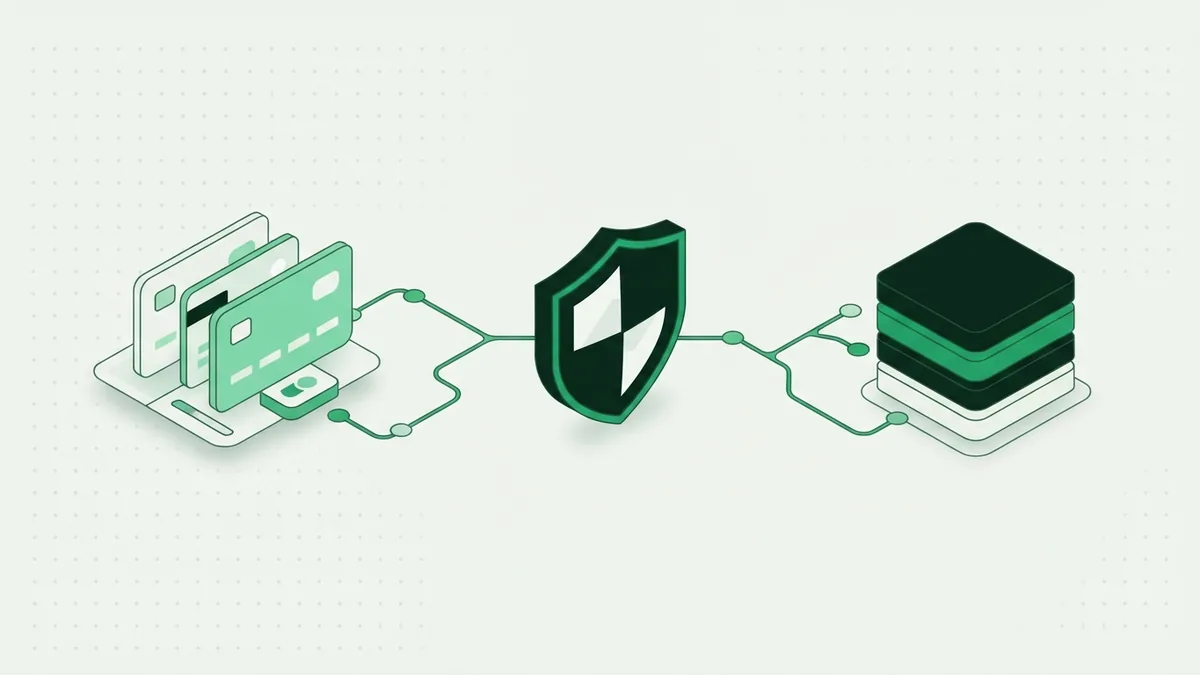
Consumers can make payment through ACH from a bank site, biller page, or payment app. The exact steps vary by provider. The payer usually enters account details and approves the payment.
Businesses need a bank account and an ACH provider. The provider may be a bank, payment platform, or merchant service. Start by checking its fees, return tools, support, and payout times.
- Choose a payment provider. Check its ACH rates, limits, return fees, and same-day options.
- Collect customer consent. Show the amount, schedule, and reason for each debit.
- Verify bank details. Use account checks or a small test payment before large transfers.
- Submit the payment. Send the request through the provider before its daily cut-off.
- Track the result. Watch for approval, return, or failure notices.
- Match the payment. Link each bank result to the right invoice or customer record.
Keep your payment forms clear and secure. Do not ask customers to send bank details by plain email. Limit access to stored account data.
Before launch, review the rules that apply to your payment type. Your provider can explain its required records and approval steps. A bank or payment expert can also help with unusual use cases.
ACH works best when speed is planned, fees are clear, and account data stays safe. For many US businesses, it offers a low-cost way to collect and send funds.
Frequently asked questions
- What is payment by ACH?
- Payment by ACH is an electronic bank-to-bank transfer through the US Automated Clearing House network. It does not use card rails.
- How long does an ACH payment take?
- Most ACH payments take one to three business days. Same-day ACH can move eligible payments sooner, subject to cut-off times and fees.
- What is the difference between an ACH credit and debit?
- An ACH credit sends money to another account. An ACH debit pulls money from an account after the owner gives permission.
- Is ACH cheaper than paying by credit card?
- ACH is often cheaper than card payments, especially for large or recurring bills. The final cost depends on provider fees and return charges.
- How can a business accept ACH payments?
- A business needs an ACH provider, customer consent, verified bank details, and a process for tracking returns. It should also protect stored account data.
Related reading
What Is Flutterwave? How Its Payment Tools Work
Learn how Flutterwave helps businesses take and manage digital payments.
What Is Credit Card 3D Secure?
See how 3D Secure verifies cardholders and can protect online payments.
What Is a Payment Flow? How Card Payments Move
See how card payments move from checkout to approval, and what makes a flow work well.