What Does ACH Mean for Banking and Payments?
Learn how ACH moves money between bank accounts.
What Is ACH?
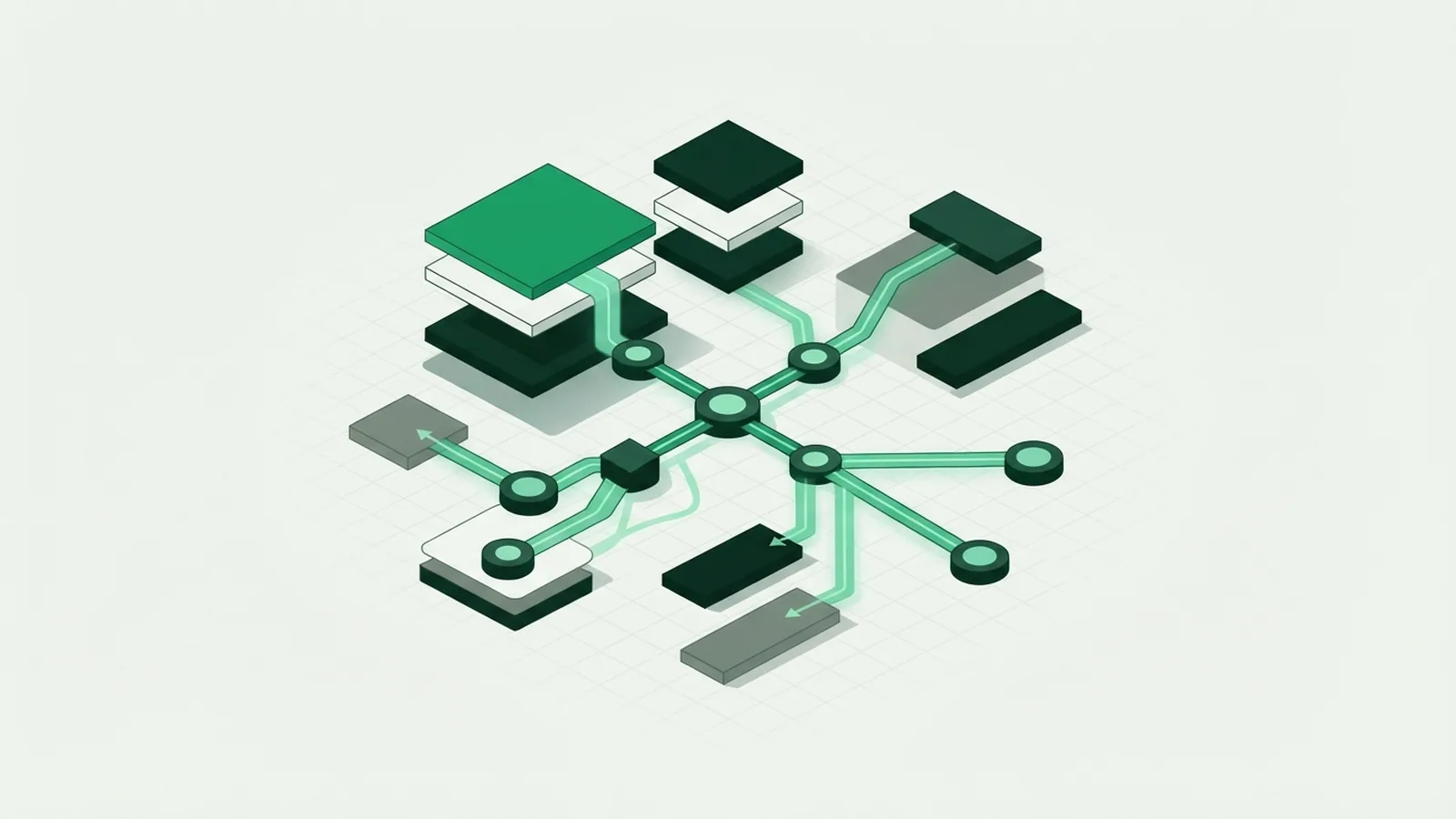
ACH stands for Automated Clearing House. It is a U.S. network for electronic fund transfers between bank accounts.
When people ask, “what does ACH mean for banking?” they usually mean a bank-to-bank payment. The payment does not use a card network. It moves through banks and credit unions instead.
What does ACH do? It sends money into an account or takes money from one. Common uses include direct deposit, payroll, bill payments, and transfers between linked accounts.
The ACH network processed more than 35 billion payments in 2025. Their total value reached about $93 trillion, according to Nacha's ACH network volume data. ACH plays a large role in U.S. banking.
How ACH Payments Work
An ACH payment starts when a sender gives payment instructions. The sender also approves the payment. The bank then sends the request into the ACH network.
ACH operators sort payment files by bank. The receiving bank then adds or removes money from the right account. This process uses batches instead of moving each payment at once.
Most ACH payments take one to three business days. Same-day ACH can move some payments faster. Cutoff times, weekends, and bank holidays can extend the wait.
Timing depends on the payment type and the banks involved. A request sent late Friday may not move until Monday. Some banks also review large or unusual payments.
Types of ACH Transactions
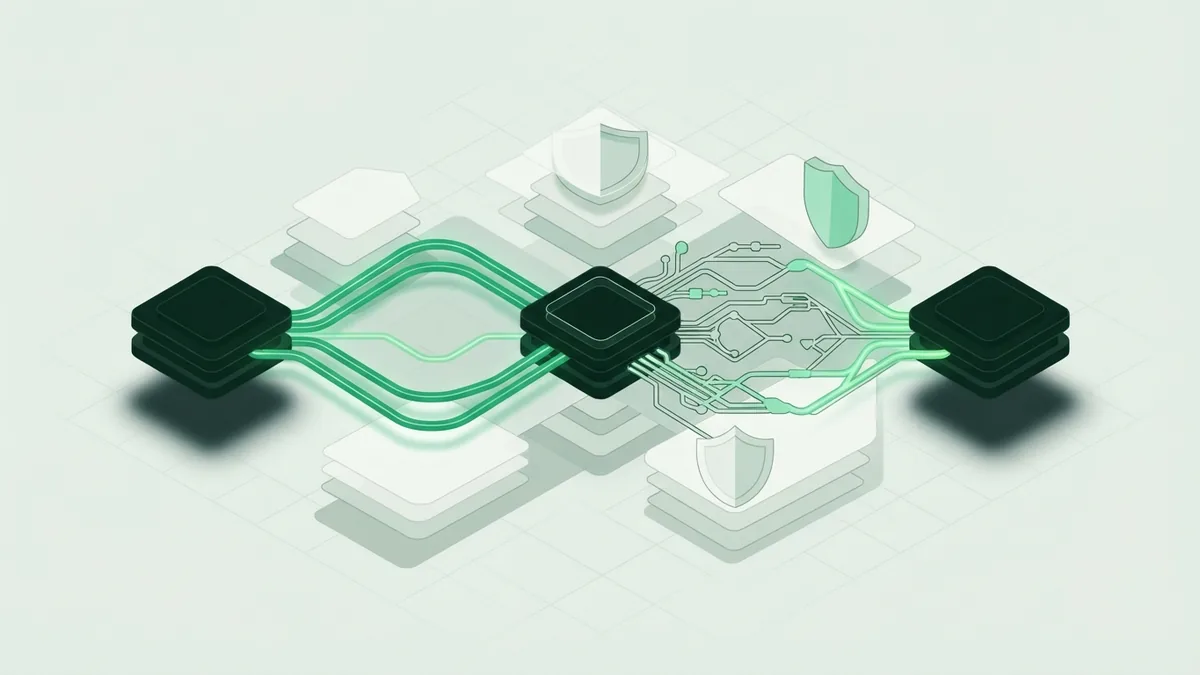
There are two main ACH transaction types. The key difference is who starts the movement of funds.
- ACH credit: The sender pushes money to the receiver. Payroll direct deposit is a common example.
- ACH debit: The receiver pulls money from the sender's account. A utility bill often works this way.
So, what does ACH credit mean? It means money moves into an account from the sender. An employer uses ACH credit when it sends wages to a worker.
What does ACH debit mean in daily life? It means a company takes an approved amount from a bank account. The approval may cover one payment or a repeat schedule.
What does ACH deposit mean? It usually means money arrived through the ACH network. Payroll, tax refunds, and account transfers can all appear as ACH deposits.
If you ask, “what does ACH deposit share mean?” the answer depends on your credit union. A share account is a credit union deposit account. An ACH deposit to that account adds funds to its balance.
What ACH Payment Terms Mean
What does ACH payment mean? It means an electronic payment between bank accounts through the ACH network. It can be a credit or a debit.
What does an ACH payment mean for a customer? It means the bank will send or receive funds under an approved request. The payment may clear later than a card payment.
What does pay by ACH mean? It means choosing a bank account as the payment method. You give the needed bank details and approve the charge.
People also ask, “what does ACH mean for payment?” It means the payment uses bank rails instead of card rails. “What does ACH mean in payments?” has the same basic answer.
People asking, “what does standard ACH mean?” usually mean normal ACH processing. Standard ACH often takes one to three business days. Same-day service may cost more or have limits.
What does ACH payment method mean? It means a way to pay from a bank account. A checkout page may call it bank payment, ACH, or account-to-account payment.
Why People and Businesses Use ACH
ACH payments often cost less than wires and card payments. They can help a business lower its payment costs. Fees vary by bank and payment provider.
ACH also supports repeat payments with less manual work. A customer can approve rent, tuition, or a software bill once. The business can then collect each amount on its due date.
ACH works well for large groups of payments. Employers can pay many workers in one batch. Lenders, schools, charities, and service firms can send or collect funds this way.
What does payments mean in this context? It means the movement of money from one party to another. ACH is one payment method among cards, wires, checks, and cash.
- Lower fees than many card or wire options
- Useful for payroll and repeat bills
- Works for both incoming and outgoing funds
- Supports large batches of bank payments
ACH still has limits. It may take longer than a card payment. A wrong account number can cause a return or delay.
How to Make an ACH Payment
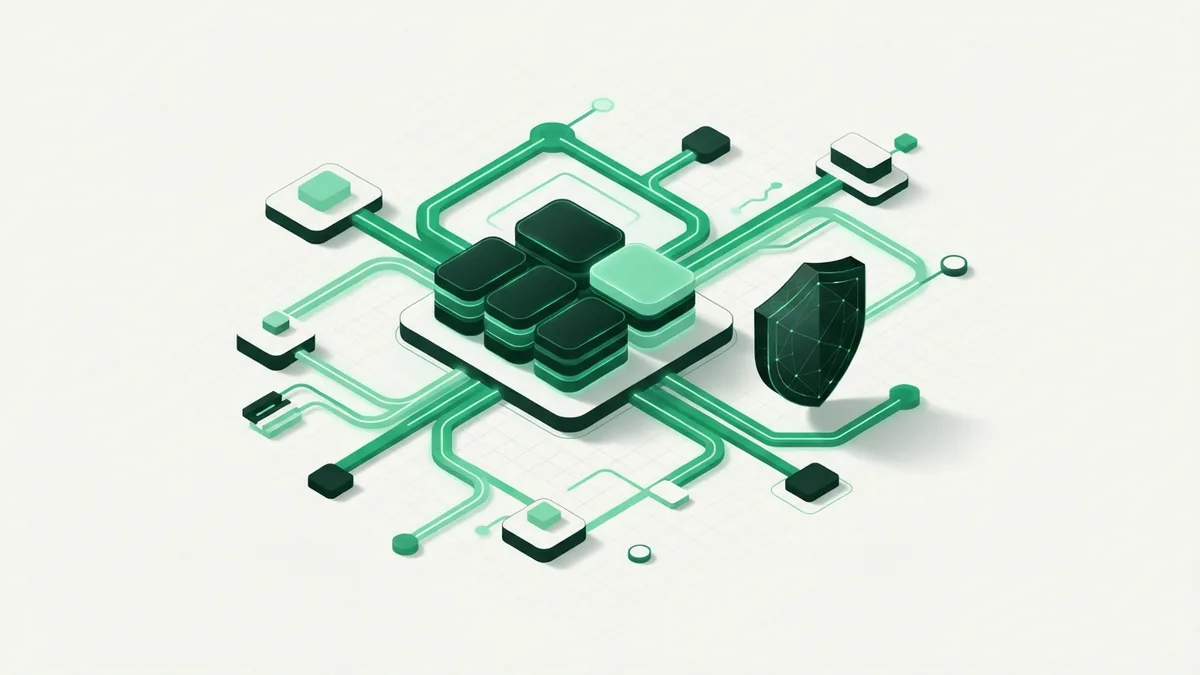
To pay by ACH, start with the recipient's payment process. You may need an account number, routing number, and account type. The business should show the amount and payment date.
- Choose ACH. Select bank payment or ACH at checkout.
- Enter bank details. Use the numbers supplied by your bank.
- Review the terms. Check the amount, date, and repeat schedule.
- Give consent. Approve the payment through the stated process.
- Save the receipt. Keep the confirmation until the payment clears.
Businesses that accept ACH payments must obtain customer consent. They also need the bank details required by their payment provider. Clear records help with returns, refunds, and disputes.
A business should test its payment flow before launch. It should set limits for new accounts. These steps can lower errors and fraud risk.
Who Uses ACH Payments?
Consumers use ACH for direct deposit, rent, loans, taxes, and utility bills. They may also move money between their own bank accounts. ACH often costs less than a wire.
Businesses use ACH for payroll, vendor payments, subscriptions, and customer billing. Online services may offer ACH for large purchases. Nonprofits often use it for monthly donations.
Banks, employers, payment firms, and government agencies all rely on ACH. Each group uses the network for a different cash flow need. The shared system helps money move between account holders.
ACH is not right for every payment. A card may suit urgent purchases. A wire may suit a high-value payment that needs fast settlement.
ACH Payments: The Bottom Line
ACH means Automated Clearing House. It is a U.S. network for bank-to-bank electronic payments.
ACH credit pushes money into an account. ACH debit pulls approved money from an account. Both types support direct deposits, bills, payroll, and repeat payments.
Most payments take one to three business days. Same-day ACH can shorten the wait. Lower cost makes ACH useful for people and businesses.
Before using ACH, check the account details and payment date. Keep proof of approval and watch for the payment to clear. That simple check can prevent many payment problems.
Step-by-step
- 01 Choose ACH
Select ACH or bank payment at checkout. Confirm that the recipient supports this payment method.
- 02 Enter bank details
Provide the account number, routing number, and account type. Check each detail before continuing.
- 03 Review payment terms
Check the amount, date, and any repeat schedule. Look for extra fees or limits.
- 04 Give consent
Approve the payment through the business's stated process. Keep a record of your approval.
- 05 Save the receipt
Store the confirmation until the payment clears. Check your account if the payment takes longer than expected.
Frequently asked questions
- What does ACH mean for banking?
- ACH means Automated Clearing House. It is a U.S. network that moves electronic payments between bank accounts.
- What does ACH payment mean?
- An ACH payment is an electronic bank payment sent through the ACH network. It may push money into an account or pull approved funds out.
- What does ACH do?
- ACH moves money between bank accounts. It supports payroll, direct deposit, bills, transfers, and repeat payments.
- What does pay by ACH mean?
- Pay by ACH means using a bank account instead of a card. You provide bank details and approve the payment.
- What does ACH credit mean?
- ACH credit means the sender pushes money into the receiver's account. Payroll direct deposit is a common example.
- How long does a standard ACH payment take?
- A standard ACH payment often takes one to three business days. Same-day ACH may move faster when the banks support it.
Related reading
What Is a Chargeback and How Can You Prevent One?
Learn how chargebacks work, why they happen, and how merchants can respond.
What Is an Acquirer and Issuer?
See how issuers and acquirers split the work behind every card payment.
What Is Verified by Visa, and Is It Safe?
See how Verified by Visa protects online payments and what setup involves.