What Is PayU? Meaning, Services, History, and Updates
PayU is a global payment service provider. Learn what PayU means, what it offers, and key updates.

Quick answer: what is PayU?
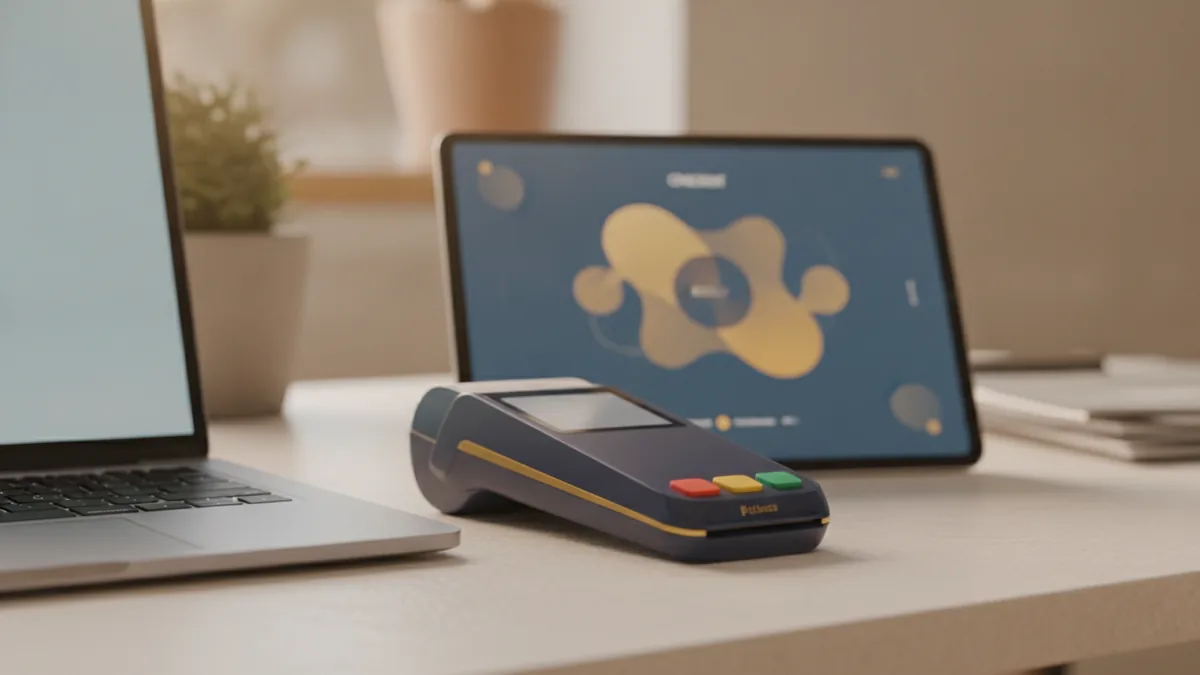
What is PayU? PayU is a payment service provider that helps shops take online payments. It links your checkout to the payment network.
You may also ask payu meaning or payu means. In this case, PayU is a brand name. It is not a single word with one fixed dictionary meaning.
PayU was founded in 2002. It is based in Hoofddorp, Netherlands.
In plain terms, PayU helps businesses get paid online.
History and background of the PayU group
PayU started as more online shopping took off. Many merchants wanted one partner for payment setup and day-to-day ops.
As payments grew, the “gateway” idea became common. It routes each payment from checkout to the right payment paths.
PayU is owned by the Naspers Group. Naspers invests in many tech and fintech firms.
That backing can speed up product work. It can also help fund new tools for risk checks and routing.
Services offered by PayU (and why merchants use them)

PayU provides tools for online payments and related checks. One core tool is a payment gateway. A payment gateway is the link between your checkout and payment rails.
PayU also has a PCI-DSS certified payment gateway. PCI-DSS is a common security rule for how payment data is handled.
PayU adds anti-fraud systems. Anti-fraud systems look for risky signs in a payment request. They help cut losses from fraud and chargebacks.
For many shops, this means fewer failed payments. It also means less work for their own risk team.
- Payment gateway to move online payments securely
- Security controls tied to PCI-DSS rules
- Anti-fraud checks for safer approvals
- Merchant services that support checkout use
PayU is built for smoother business integration.
Key markets and regions where PayU operates
PayU operates in 17 countries. It supports merchants who want to accept and process online payments.
Different places use different payment habits. Some buyers prefer cards, while others prefer local bank or wallet options.
So, a wider reach can help reduce rework. It can also support global growth for digital sales.
When a provider works in many regions, global transactions get easier.
| Area | Why it matters for merchants |
|---|---|
| Local payment methods | Customers see options they trust and use |
| Online security | Risk checks can lower fraud and stop bad orders |
| Business integration | One link can support more than one market |
Recent developments and acquisitions in fintech
PayU has grown through acquisitions in fintech. That means it bought other firms to add skills and tech.
In payments, that often leads to more gateway options. It can also help unify routes, tools, and risk controls.
PayU also works to bring those tools into one platform. This can help merchants avoid many separate deals.
Deal-driven growth can change the product shape fast. So, shops should watch what stays in place.
One major event came in 2023. PayU sold its global payments business to Rapyd for $610 million.
That sale can shift where global processing sits. It can also affect teams and future roadmap plans.
- Acquisitions can add new payment gateway tools
- Platform work can reduce integration effort
- A big sale can move parts of global processing
- After a deal, confirm support and uptime plans
For best results, verify change plans early.
Conclusion and future prospects for PayU
So, what is PayU? PayU is a payment service provider founded in 2002. It helps businesses take online payments across many regions.
PayU meaning, in real use, is simple. PayU is the brand name for the firm behind the gateway and risk tools.
Key strengths include a PCI-DSS certified gateway and anti-fraud systems. Those tools support safer approvals in digital payments.
Its future will likely follow two paths. First, it keeps building its payment platform. Second, it adapts after the 2023 sale to Rapyd.
If you are choosing a provider, start with your needs. Pick your markets, payment types, and risk goals first.
Then confirm how the PayU gateway fits your checkout flow today.
Quick answer: what is PayU?
What is PayU? PayU is a payment service provider that helps shops take online payments. It links your checkout to the payment network.
You may also ask payu meaning or payu means. In this case, PayU is a brand name. It is not a single word with one fixed dictionary meaning.
PayU was founded in 2002. It is based in Hoofddorp, Netherlands.
In plain terms, PayU helps businesses get paid online.
History and background of the PayU group
PayU started as more online shopping took off. Many merchants wanted one partner for payment setup and day-to-day ops.
As payments grew, the “gateway” idea became common. It routes each payment from checkout to the right payment paths.
PayU is owned by the Naspers Group. Naspers invests in many tech and fintech firms.
That backing can speed up product work. It can also help fund new tools for risk checks and routing.
Services offered by PayU (and why merchants use them)
PayU provides tools for online payments and related checks. One core tool is a payment gateway. A payment gateway is the link between your checkout and payment rails.
PayU also has a PCI-DSS certified payment gateway. PCI-DSS is a common security rule for how payment data is handled.
PayU adds anti-fraud systems. Anti-fraud systems look for risky signs in a payment request. They help cut losses from fraud and chargebacks.
For many shops, this means fewer failed payments. It also means less work for their own risk team.
- Payment gateway to move online payments securely
- Security controls tied to PCI-DSS rules
- Anti-fraud checks for safer approvals
- Merchant services that support checkout use
PayU is built for smoother business integration.
Key markets and regions where PayU operates
PayU operates in 17 countries. It supports merchants who want to accept and process online payments.
Different places use different payment habits. Some buyers prefer cards, while others prefer local bank or wallet options.
So, a wider reach can help reduce rework. It can also support global growth for digital sales.
When a provider works in many regions, global transactions get easier.
| Area | Why it matters for merchants |
|---|---|
| Local payment methods | Customers see options they trust and use |
| Online security | Risk checks can lower fraud and stop bad orders |
| Business integration | One link can support more than one market |
Recent developments and acquisitions in fintech
PayU has grown through acquisitions in fintech. That means it bought other firms to add skills and tech.
In payments, that often leads to more gateway options. It can also help unify routes, tools, and risk controls.
PayU also works to bring those tools into one platform. This can help merchants avoid many separate deals.
Deal-driven growth can change the product shape fast. So, shops should watch what stays in place.
One major event came in 2023. PayU sold its global payments business to Rapyd for $610 million.
That sale can shift where global processing sits. It can also affect teams and future roadmap plans.
- Acquisitions can add new payment gateway tools
- Platform work can reduce integration effort
- A big sale can move parts of global processing
- After a deal, confirm support and uptime plans
For best results, verify change plans early.
Conclusion and future prospects for PayU
So, what is PayU? PayU is a payment service provider founded in 2002. It helps businesses take online payments across many regions.
PayU meaning, in real use, is simple. PayU is the brand name for the firm behind the gateway and risk tools.
Key strengths include a PCI-DSS certified gateway and anti-fraud systems. Those tools support safer approvals in digital payments.
Its future will likely follow two paths. First, it keeps building its payment platform. Second, it adapts after the 2023 sale to Rapyd.
If you are choosing a provider, start with your needs. Pick your markets, payment types, and risk goals first.
Then confirm how the PayU gateway fits your checkout flow today.
Frequently asked questions
- What is PayU?
- PayU is a payment service provider that helps merchants accept and process online payments. It offers gateway and security tools for digital payments.
- What does PayU mean?
- PayU meaning is the company name used in merchant payments. It is not a phrase with one official dictionary meaning.
- Where is PayU headquartered?
- PayU is headquartered in Hoofddorp, Netherlands. It also operates across multiple countries for online payment acceptance.
- What services does PayU provide?
- PayU provides payment gateway services and anti-fraud systems. It also supports merchant services for business integration into checkout flows.
- Is PayU PCI-DSS certified?
- PayU offers a PCI-DSS certified payment gateway. This relates to how payment data is handled within the gateway environment.
- What happened in 2023 with PayU’s global payments business?
- In 2023, PayU sold its global payments business to Rapyd for $610 million. This changed how global processing was organized across the two groups.
Related reading
What Is Mastercard and How Does Its Payment Network Work?
Mastercard links banks, merchants, and shoppers through a global payment network.

What Is a Merchant? A Clear Guide to Trade and Payments
A clear guide to merchants, trade, online sales, and payment IDs.

Payment Details Meaning: What They Are, Why They Matter, and Examples
Payment details meaning explained with clear examples and ACH guidance.